Blog
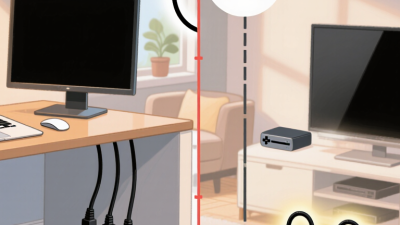
What Is the Best Surge Protector Power Strip?
Choosing the best Surge Protector Power Strip is not just about finding the highest joule rating. The right choice depends on what you plan to protect, where the strip will sit, and whether its safety features are clearly documented. A desk setup with a laptop and monitor has different needs from a media center crowded with a television, console, and router. Small details matter.
The risks deserve perspective. The National Fire Protection Association’s report, Home Fires Involving Electrical Distribution or Lighting Equipment, estimates an annual average of 32,620 U.S. home fires involving this equipment from 2015 to 2019. Those fires caused an estimated 430 deaths and $1.3 billion in direct property damage each year. These figures are not surge-specific, so they should not be treated as proof that surge strips prevent fires. They do show why electrical product safety deserves careful attention.
A useful comparison starts with independent safety certification, such as UL 1449 listing, then checks joule rating, outlet spacing, cord length, and overload protection. Look for a protection indicator, too. It can show whether the surge-protection components remain active, though it does not guarantee protection against every event. No strip is perfect; that is worth admitting. This guide compares practical features and product claims, while separating verifiable specifications from marketing language. Use it to find a model suited to your devices, not simply the longest feature list.
Read more »
 By:Oliver
- November 11, 2026

How to Choose the Right Power Strip for Your Needs?
Choosing the right Power Strip starts with the devices you actually use, not the number of outlets on the box. A desk with a laptop, monitor, and desk lamp has different needs from a media cabinet filled with chargers and a television. Check the wattage of connected equipment, the cord length, and whether the strip includes a clearly labeled overload-protection feature. More outlets do not mean more safe capacity. That detail is easy to miss.
Power-product engineer Jordan Lee puts it this way: “Match the strip to the load, the location, and the way you use it.” This guide explores those practical choices, including outlet layout, surge protection, cable length, and useful safety markings. A bulky plug can block its neighbor. A cord can fall short by several inches. Small frustrations matter. So does using a Power Strip only as its manufacturer directs, rather than chaining strips together or hiding one under a rug. Even a careful buyer can overlook a detail on the label; taking a moment to check is worthwhile. The best option is not always the most expensive or feature-packed. It is the one that fits your setup, has clear specifications, and leaves you confident about what is connected.
Read more »
 By:Ethan
- November 4, 2026
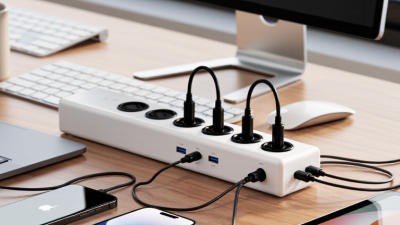
Top USB C Power Strips for Home and Office
A modern desk can power a laptop, phone, tablet, lamp, and monitor at the same time. That often means bulky adapters competing for limited wall outlets. A USB C Power Strip can make charging simpler, but the right choice depends on the devices you use and where you place it. A kitchen counter, shared office desk, and bedside table each have different space and cable needs.
Small details matter. Port spacing can determine whether large plugs block neighboring outlets. USB-C output ratings show how much power a port can deliver, while the strip’s total output may be shared across connected devices. A high port count looks useful, yet it does not guarantee faster charging. Check the manufacturer’s specifications, supported charging standards, cord length, outlet layout, and any stated surge protection. These details are easy to skim past. I would, too, if I were in a hurry.
This guide compares USB-C power strips for home and office use through practical features, not just product labels. It considers charging capacity, outlet spacing, build details, and how clearly specifications are presented. A strip suited to a laptop and phone may be excessive for a small bedside setup. Conversely, a compact model can feel limiting when several adapters are plugged in. No single option fits every desk, and manufacturer claims should be checked against the exact model. A little comparison before buying can prevent a cluttered setup—or an inconvenient shortage of usable ports.
Read more »
 By:Clara
- November 4, 2026
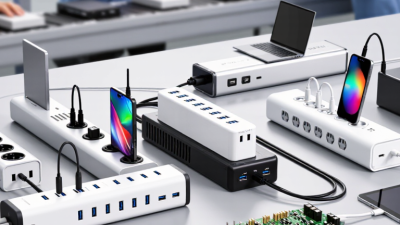
Best USB Power Strip Manufacturers in China?
Choosing among the Best USB Power Strip Manufacturers in China? requires more than comparing prices or counting ports. A polished product photo cannot reveal loose sockets, unstable charging, thin internal wiring, or weak quality control. Buyers need to assess the manufacturer behind the casing. That means checking product specifications, factory capabilities, sample consistency, and the evidence supporting safety and performance claims.
USB-IF executive Jeff Ravencraft has emphasized USB interoperability. A practical paraphrase of that principle is: “A familiar port is not proof of reliable performance.” It is a useful reminder when evaluating a USB Power Strip. Ask whether USB-A and USB-C outputs deliver the stated power under realistic loads. Check how the manufacturer handles heat, overload protection, component sourcing, and production testing. Request clear documentation, not just a catalog page. Details matter.
Look closely. A sample that charges one phone well may behave differently with several devices connected. Compare labeling, cable length, socket spacing, packaging, and inspection records. Ask how defects are tracked and corrected. A supplier’s response can be revealing. Not every factory will provide the same depth of evidence, and no single checklist removes all purchasing risk. This guide introduces Chinese manufacturers through practical comparison points, helping importers and brands identify suitable partners with fewer assumptions. Some information may still require direct verification. That is worth saying plainly.
Read more »
By:Clara
- November 4, 2026