What Every B2B Buyer Must Evaluate Before Sourcing USB C Extension Sockets
As enterprise devices, consumer laptops, tablets, and smartphones universally pivot to the USB Type-C charging topology, international procurement professionals are experiencing a major paradigm shift. Procurement decisions for the modern USB C Extension Socket are no longer mere plastic molding exercises; they are complex electrical engineering evaluations requiring synchronized analysis of high-voltage AC mains power distribution alongside low-voltage, switch-mode direct current (DC) semiconductor electronics.
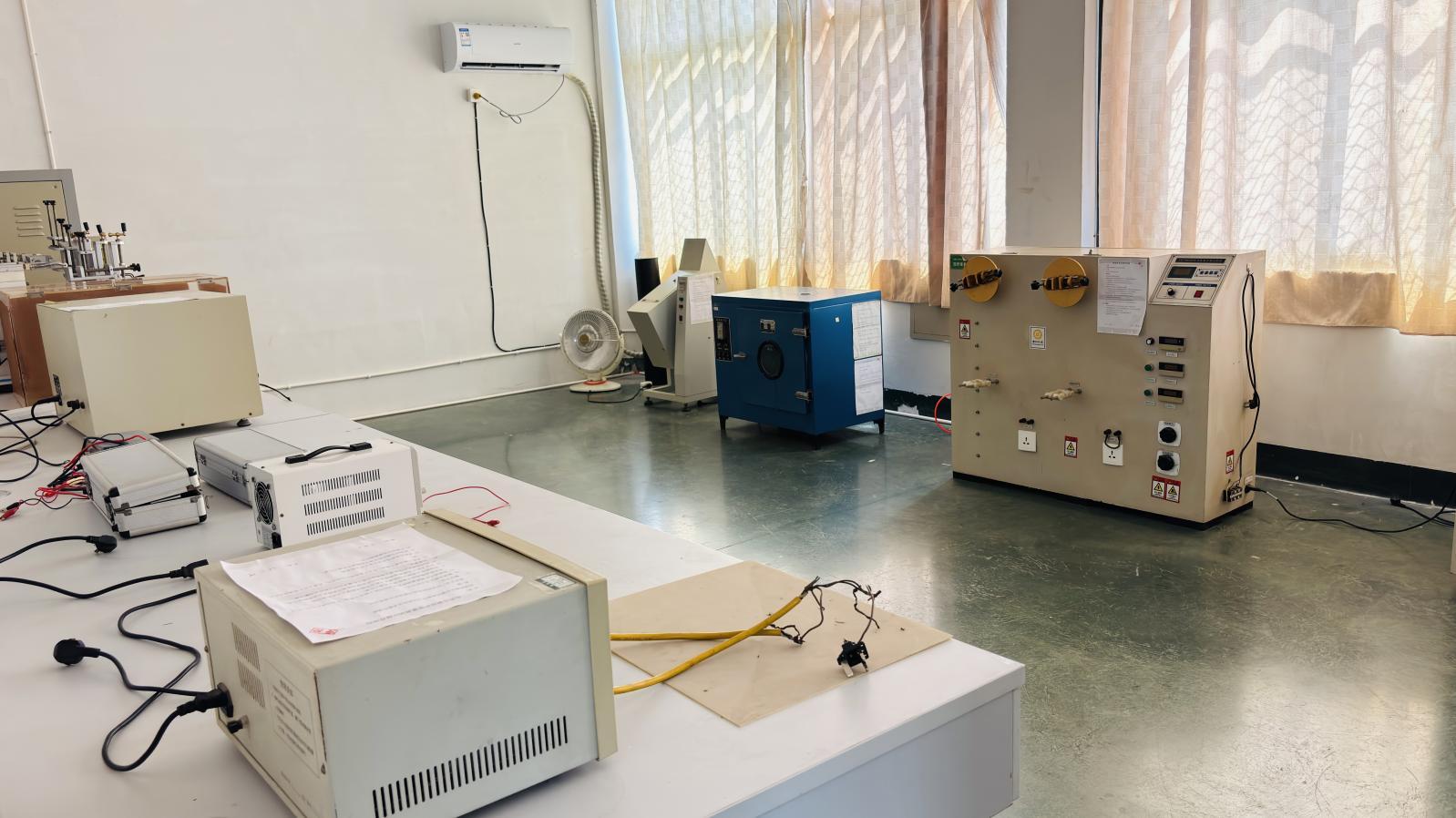
Global buyers frequently confront critical performance discrepancies in the field: rapid transformer burn-out, inadequate protocol handshaking leading to device rejection, high harmonic distortion, and catastrophic thermal degradation inside compact strip enclosures. At Cixi City Fenvo Technology Co., Ltd., we eliminate these vulnerabilities through advanced architectural design, integrated GaN (Gallium Nitride) circuit arrays, and strict alignment with the world's most rigorous electrical standards including EN 62368-1, IEC 60884-1, BS 1363-2, and EU Directive 2022/2380.
Technical Note: High-Voltage vs. Low-Voltage Creepage Distances
In a multi-gang USB C extension socket, high-voltage AC busbars (220V–250V) sit within millimeters of sensitive low-voltage DC protocol controller circuits. Fenvo mandates a physical creepage distance exceeding 6.4mm and optocoupler galvanic isolation exceeding 3,750V AC dielectric withstand test limits to prevent lethal breakdown voltages from ever reaching end-user device cables.
Future Procurement Trends in the Global Power Strip Sector
When forecasting inventory cycles and drafting commercial request-for-proposals (RFPs) over the 2025–2030 horizon, forward-looking buyers must prepare for three undeniable procurement trends reshaping consumer and commercial expectations:
- Decoupling from Low-Wattage Shared Ports (The Death of 5V/2.4A): Traditional power strips featuring legacy USB-A ports driven by shared resistor networks are rapidly becoming unsellable dead stock. Commercial tenders now mandate minimum 20W PD for handheld terminals and 45W–65W GaN capabilities capable of operating ultra-thin notebooks directly from the extension socket without a dedicated OEM wall adapter.
- Strict Regulatory Harmonization (EU Common Charger Mandate): Importers targeting the European Union must strictly comply with Directive (EU) 2022/2380. Integrated power delivery circuits must support unbundled Power Delivery (USB-PD) profiles and EPR (Extended Power Range) without proprietary handshakes that restrict interoperability across mixed electronic ecosystems.
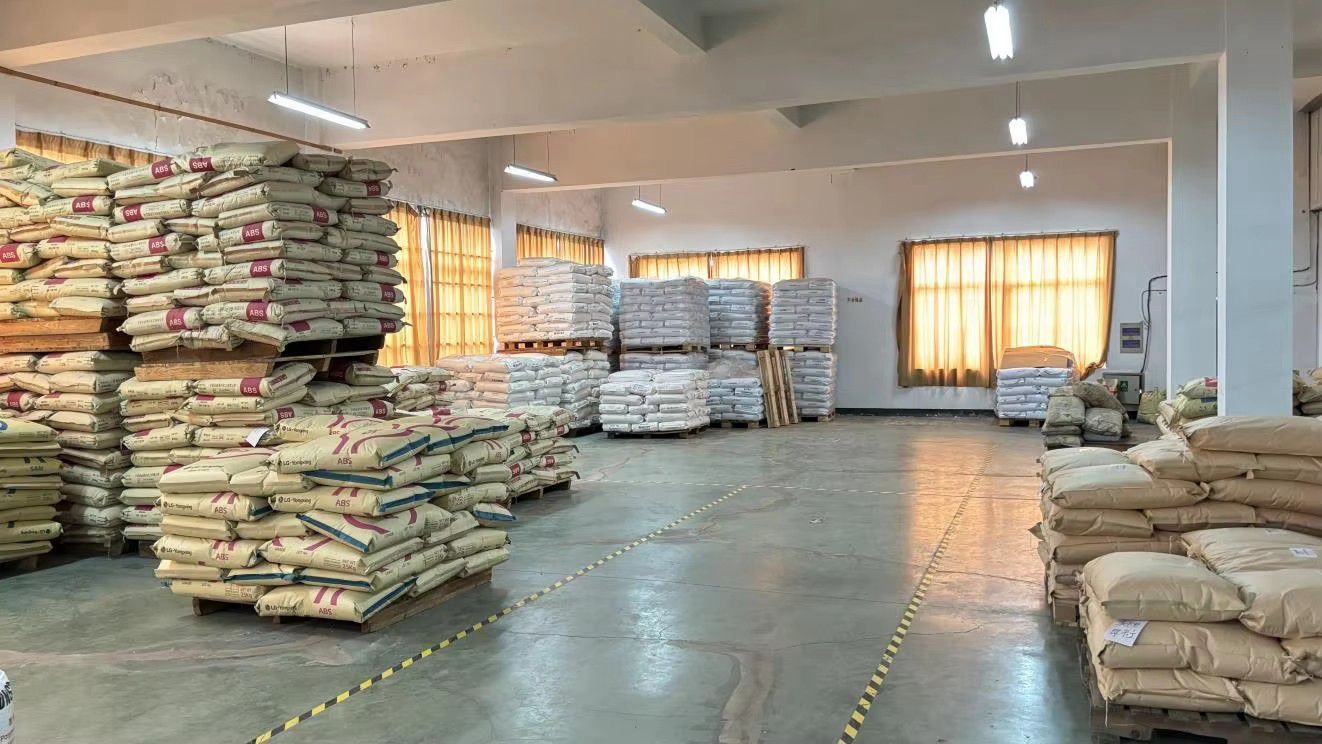
- Higher Enclosure Flame Retardancy & Anti-Aging Standards: Standard ABS plastic is rapidly being phased out by institutional procurement bodies in favor of 750°C to 850°C glow-wire resistant Polycarbonate (PC) and PC/ABS composite compounds capable of passing UL 94 V-0 flame tests under extreme short-circuit thermal stresses.
Technological Evolution of the USB C Extension Socket
The transformation of multi-outlet extension sockets over the last decade mirrors the broader revolution in power electronics. The progression is delineated by distinct technological milestones:
| Generation | DC Power Architecture | Typical Output | Thermal Dissipation Profile | Compliance Bottleneck |
|---|---|---|---|---|
| Gen 1 (Legacy) | Linear / Basic Step-Down | 5V / 1.0A–2.1A (USB-A) | High passive thermal losses | Overheating under steady load |
| Gen 2 (Early Fast Charge) | Flyback Switching Silicon | 18W–30W (PD 2.0 / QC 3.0) | Moderate heat, bulky transformers | Capacitor lifespan & EMI noise |
| Gen 3 (Modern GaN Core) | High-Frequency Gallium Nitride | 45W–100W+ (PD 3.0 / PPS) | >93% efficiency, cool running | Tight PCB layout & thermal potting |
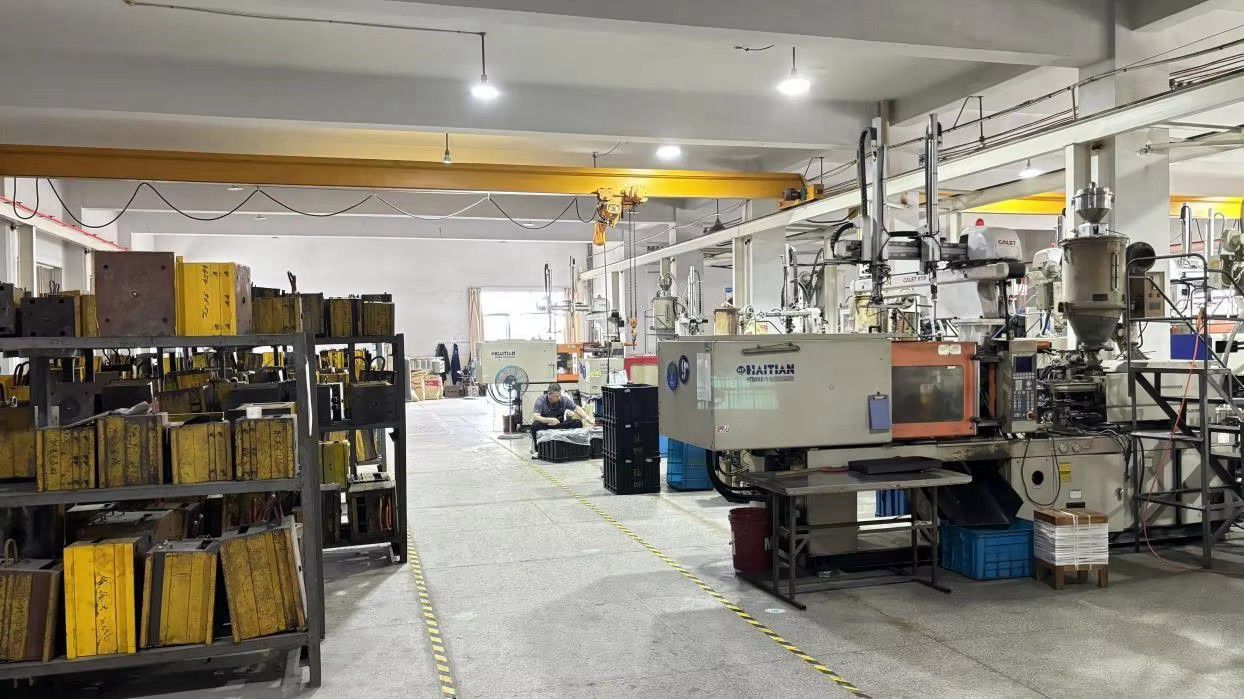
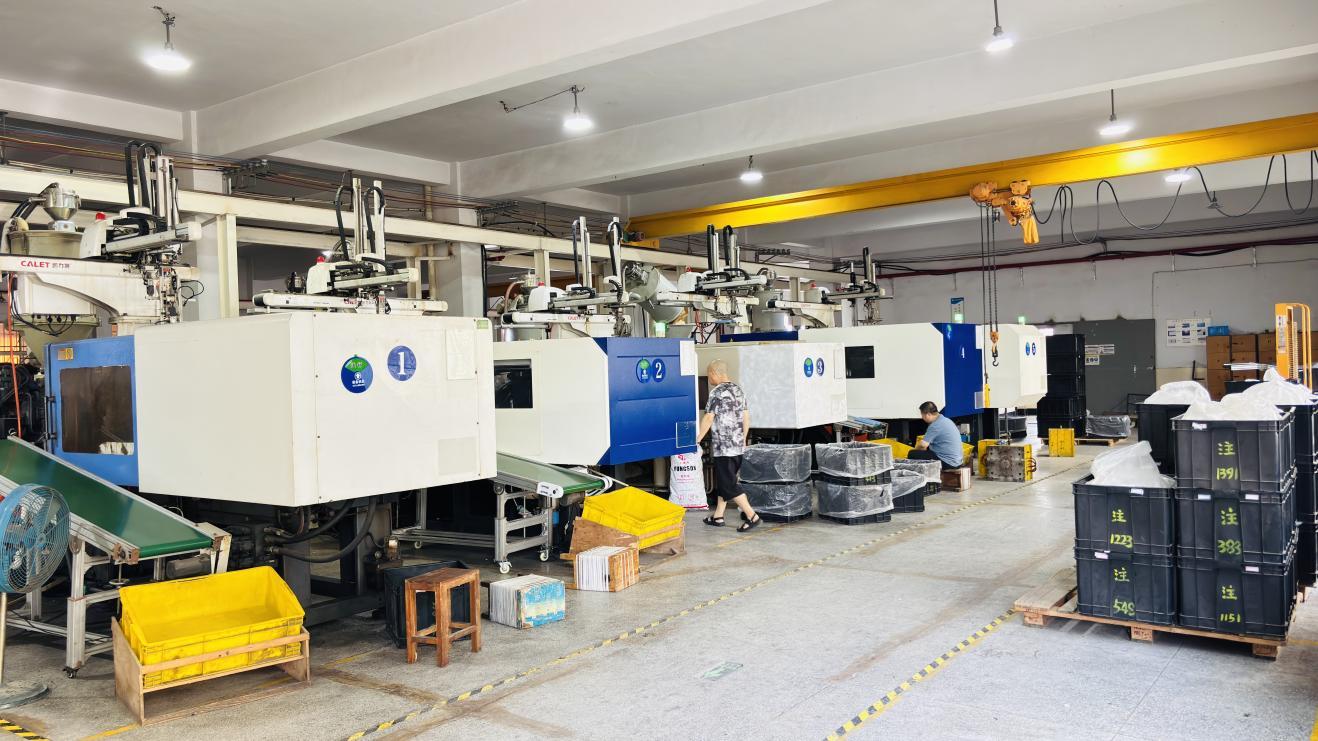
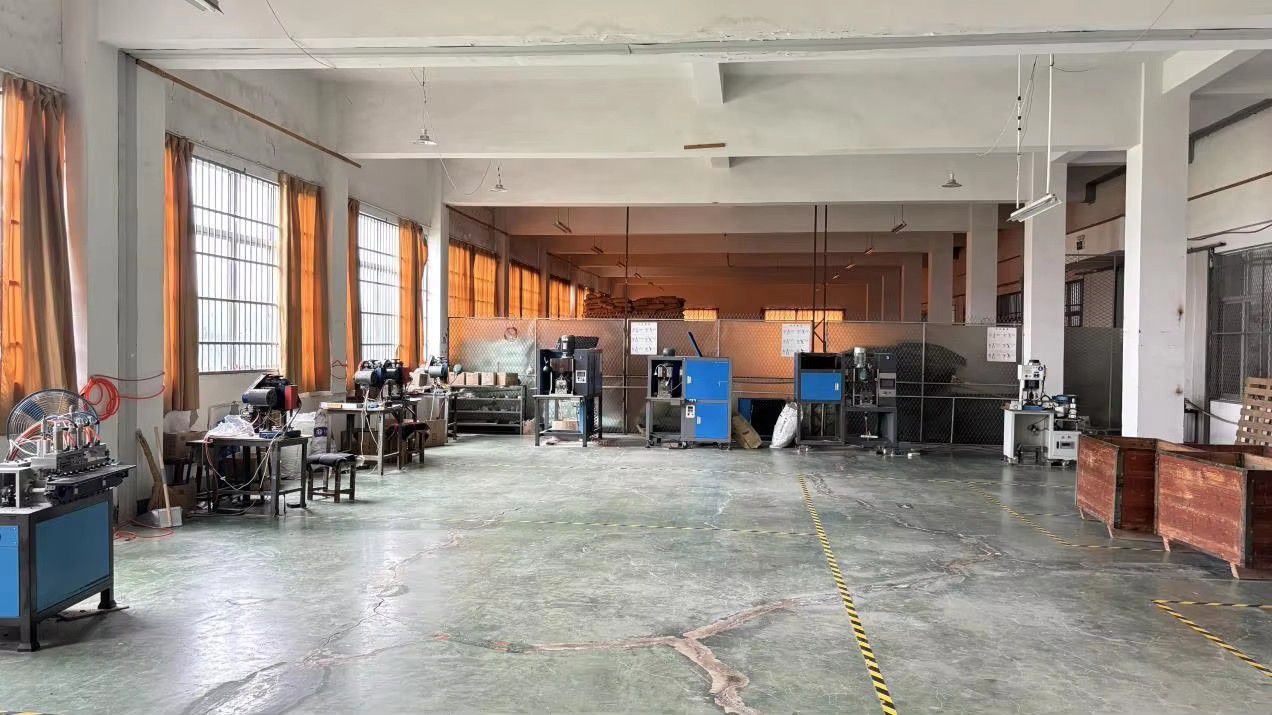
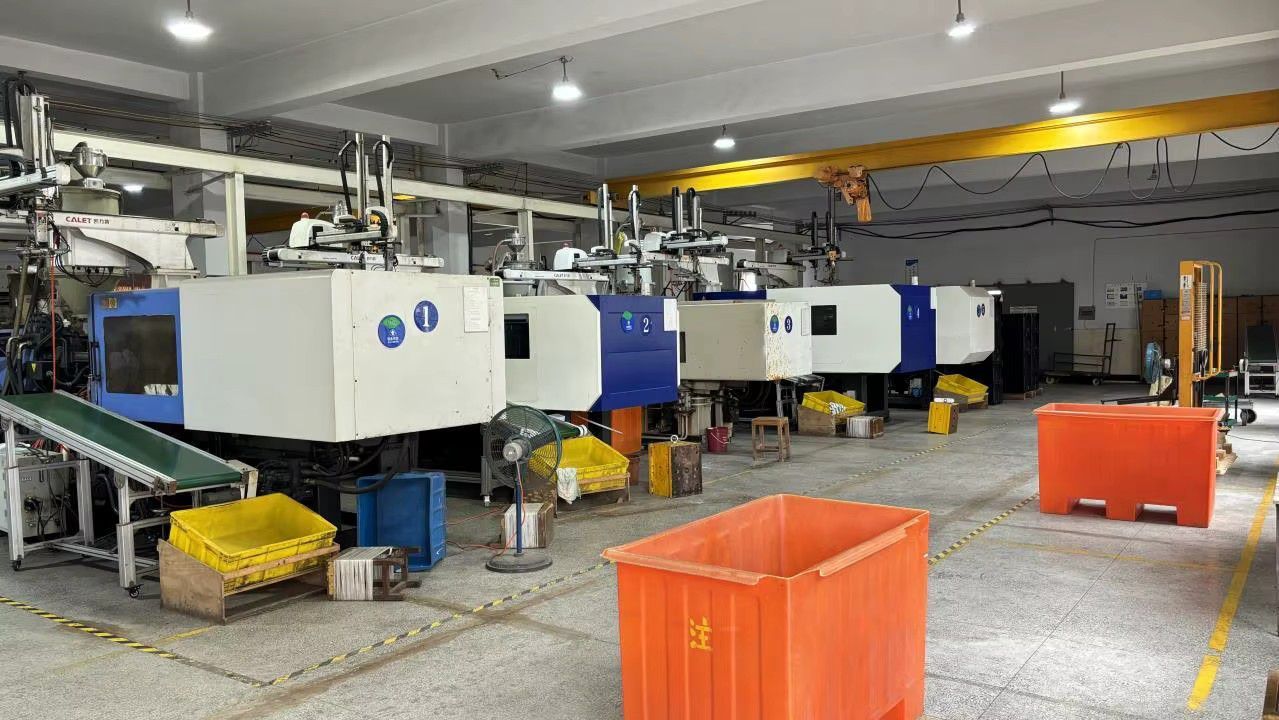
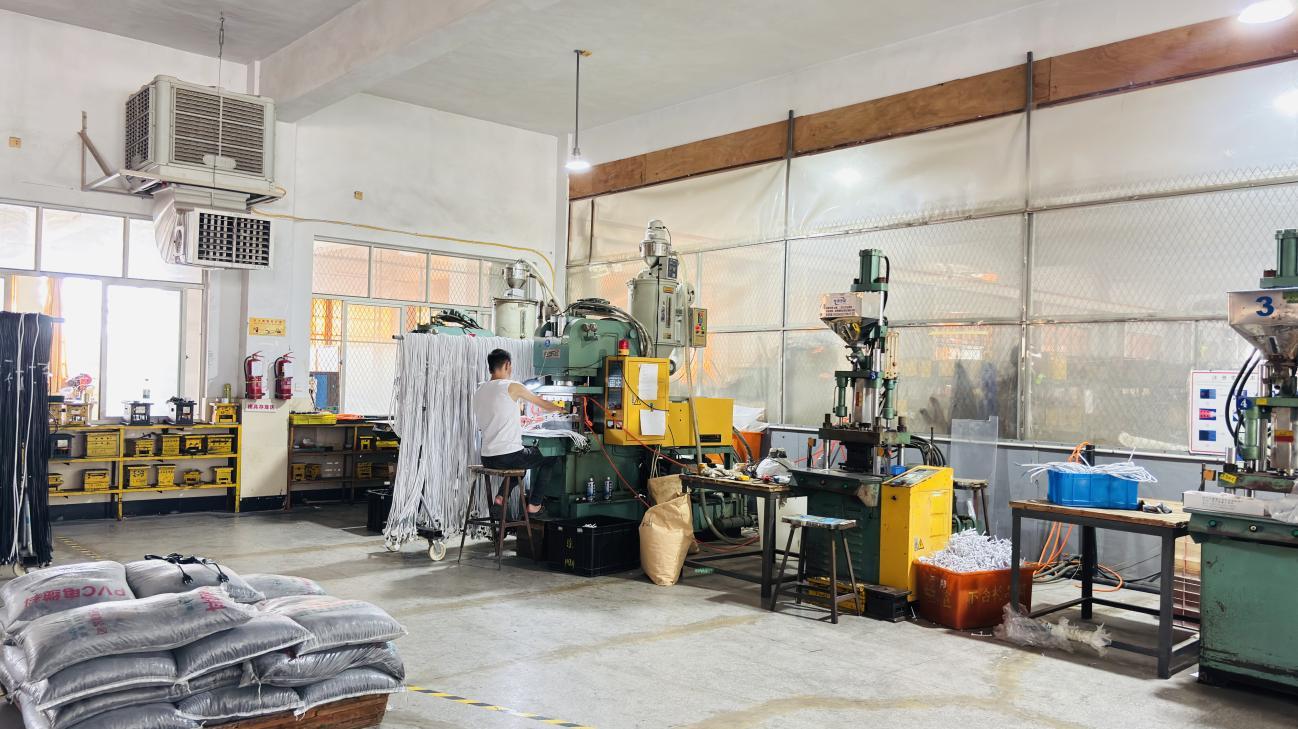
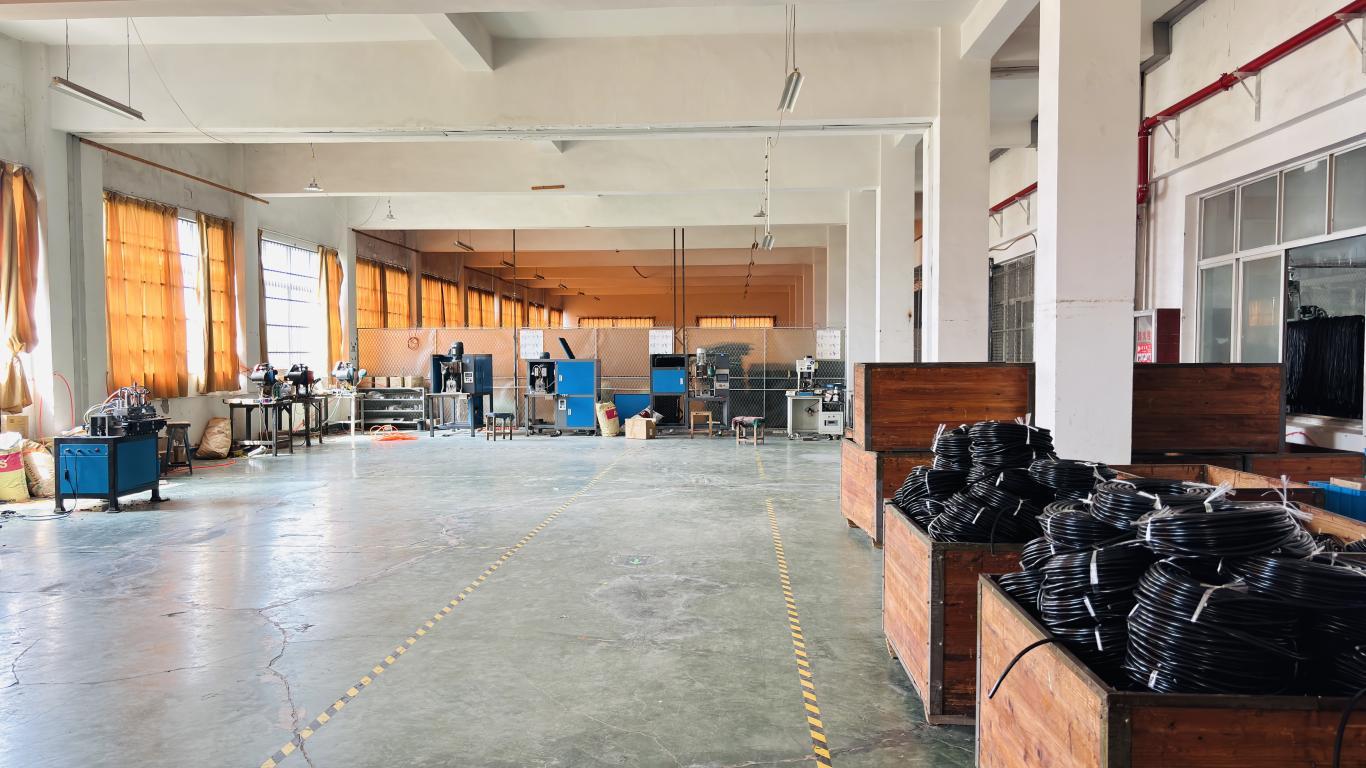
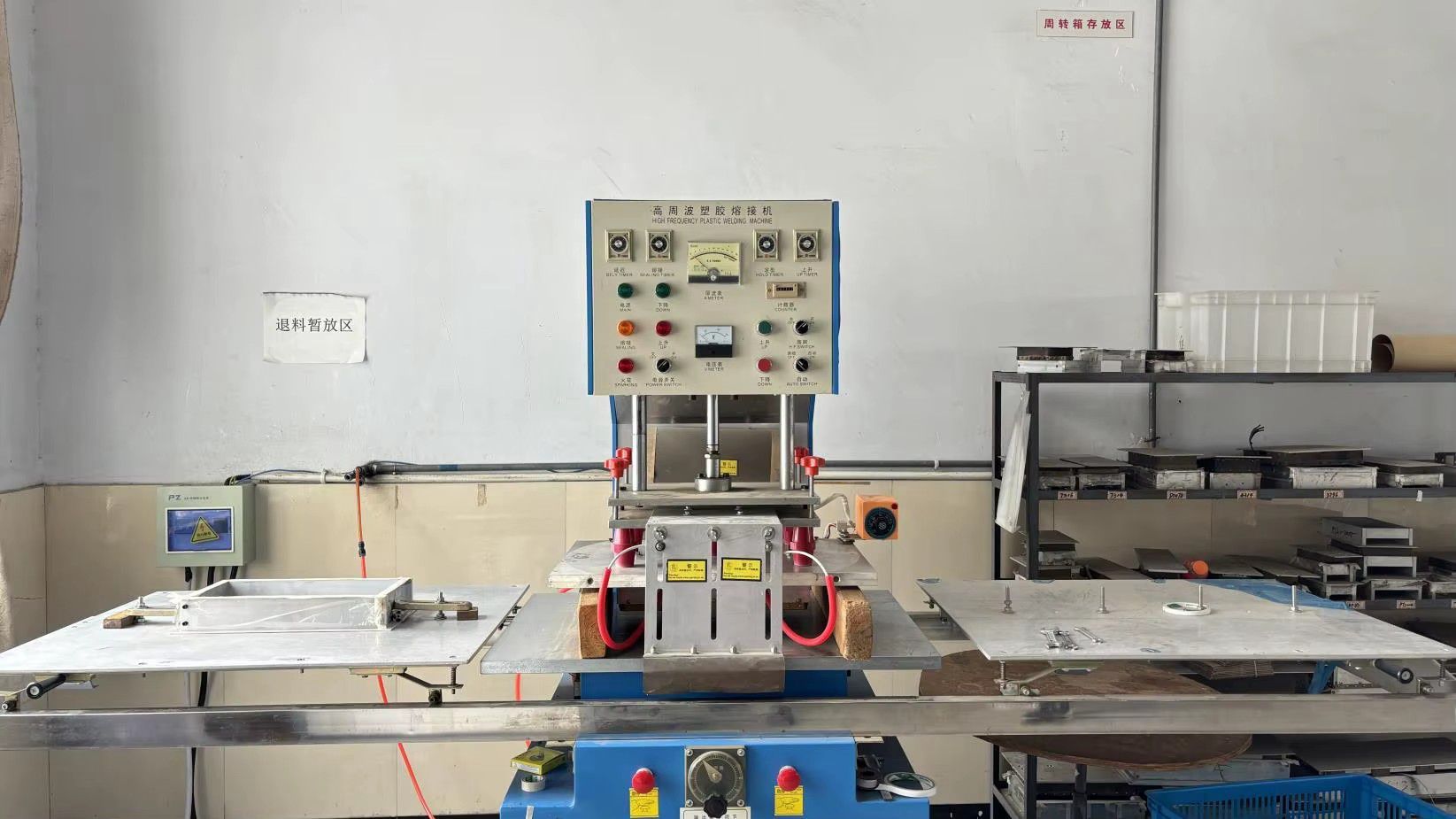
By shifting to third-generation GaN power modules manufactured right in our Cixi plant, Cixi City Fenvo Technology Co., Ltd. produces compact desktop power cubes, slimline floor strips, and industrial cable reels that output sustained 65W PD energy continuously without exceeding international surface-touch temperature rise limitations (75K max rise as mandated by EN 62368-1).