

Engineering Analysis: Why the Cube Power Extension Socket Is Replacing Linear Power Strips Worldwide
The rapid digital conversion of corporate workplaces, residential smart spaces, and international hospitality venues has fundamentally broken the utility model of the legacy linear power board. Conventional elongated power strips create substantial ergonomic friction: bulky external power supplies, stepped transformers, and modern smart device plugs obstruct adjacent outlets, rendering an 8-gang power strip functionally limited to merely 4 or 5 usable positions. The Cube Power Extension Socket represents a definitive geometric revolution that systematically resolves plug interference by redirecting output vectors across 3-dimensional multi-axis planar surfaces.
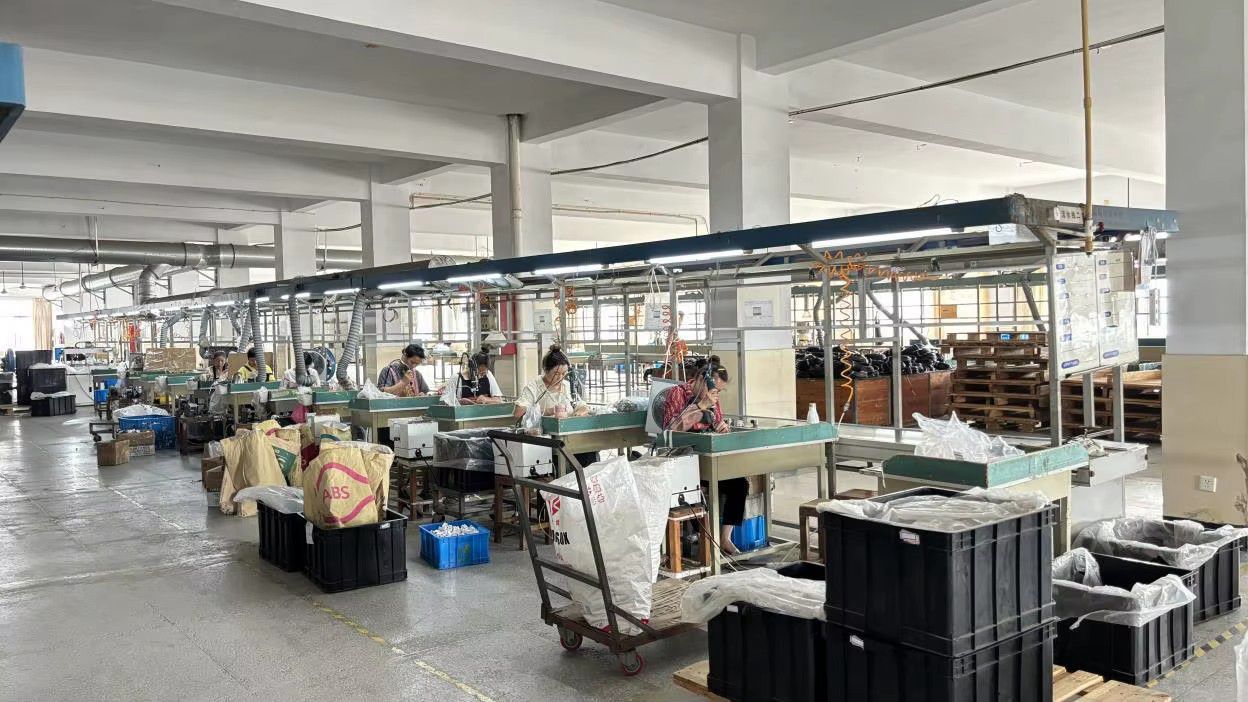
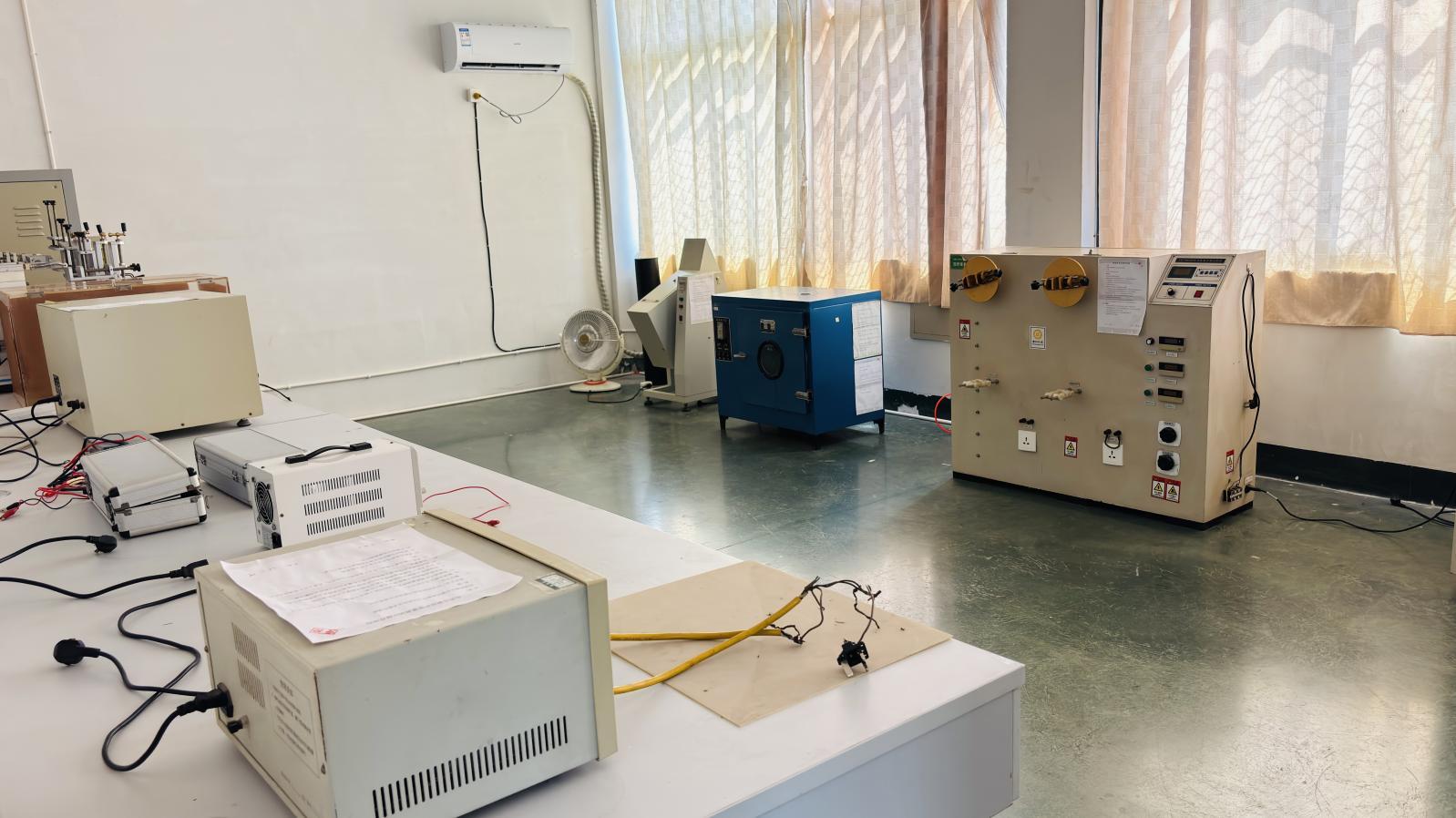
At Cixi City Fenvo Technology Co., Ltd., our research, development, and electrical testing verify that our multi-faceted cubic designs increase space utility by up to 60% relative to conventional rectangular bodies, while shortening overall linear desk footprint. Rather than crowding power leads in a single horizontal trajectory, the cubic geometry distributes high-voltage AC cables and low-voltage DC USB power cords outward in perpendicular spatial orientations. This geometric dispersion lowers localized thermal pooling and drastically minimizes desk and cabinet clutter.
3D Non-Blocking Topology
Independent 4 to 5-sided orientation guarantees that oversized industrial or consumer AC adapters can be plugged simultaneously without mechanical obstruction.
Thermal Envelope Management
Engineered air chambers and thermal potting minimize internal core temperature rises when simultaneous AC load and high-wattage USB-C fast charging are active.
Integrated Copper Busbars
Monolithic punched phosphor-bronze architecture removes brittle internal wire soldering, eliminating open-circuit risks and reducing operating contact resistance.
Engineering Internal Conductors: Single-Piece Punched Phosphor Bronze vs. Solder Points
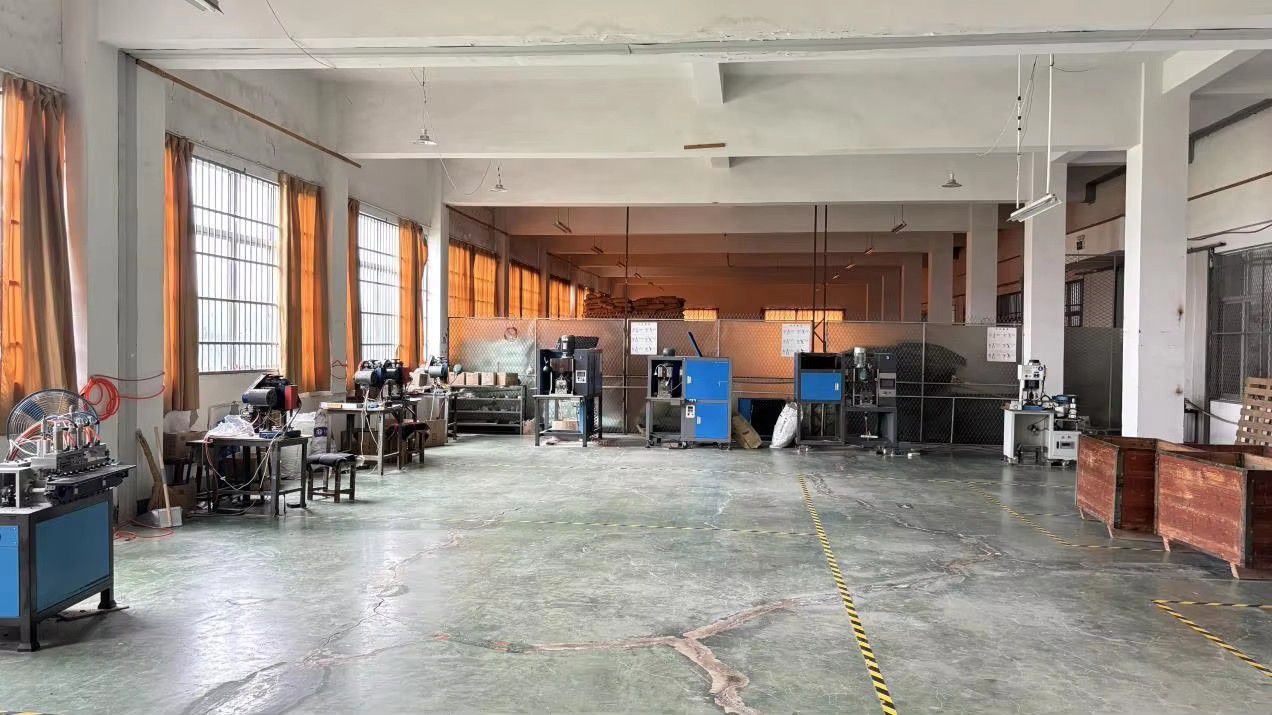
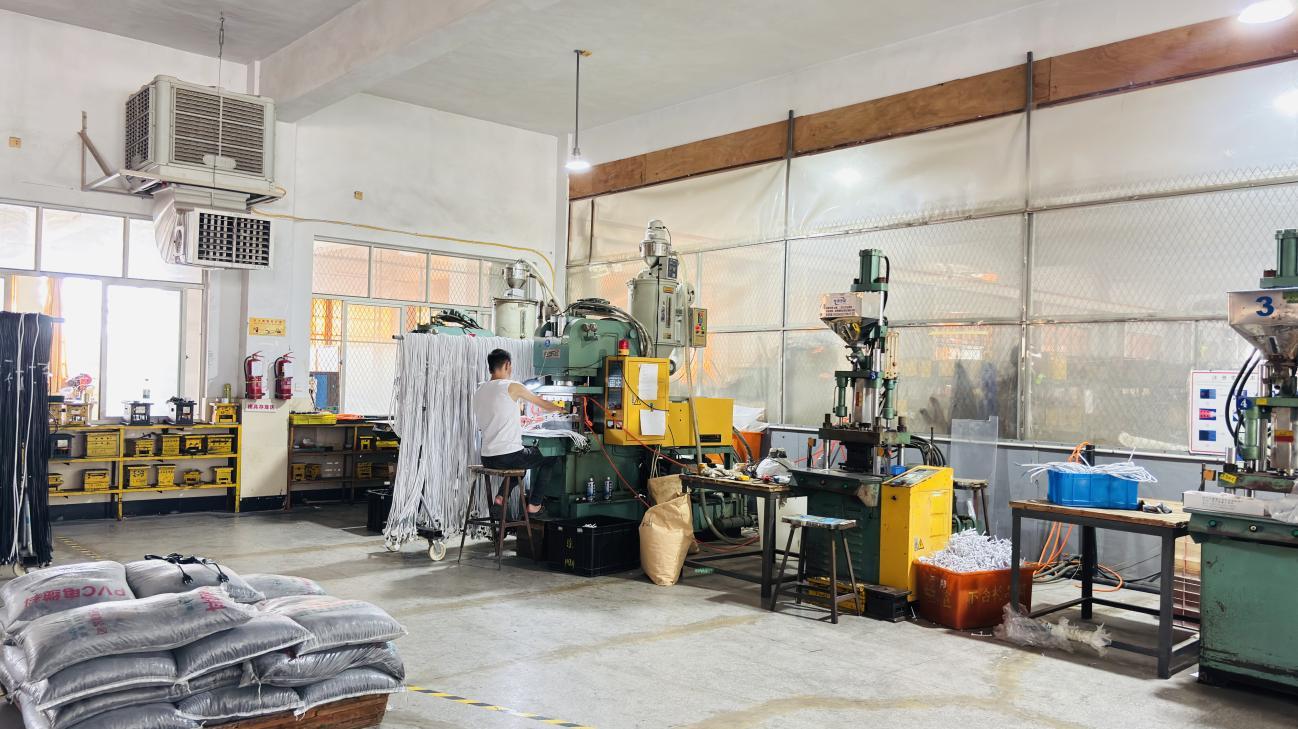
A critical engineering failure point in low-grade power sockets imported from unverified sources is the reliance on hand-soldered fly-wires connecting copper terminal leaf springs. Soldered joints undergo thermal expansion cycles during heavy ohmic loads (such as electric kettles, laser copiers, and space heaters), creating cold joint crystallization, increased contact resistance, hot-spotting, and catastrophic fire hazards. At Cixi City Fenvo Technology Co., Ltd., our in-house high-speed punching and stamping workshop manufactures integrated, heavy-duty phosphor bronze (CuSn6 / QSn6.5-0.1) internal conductor strips.
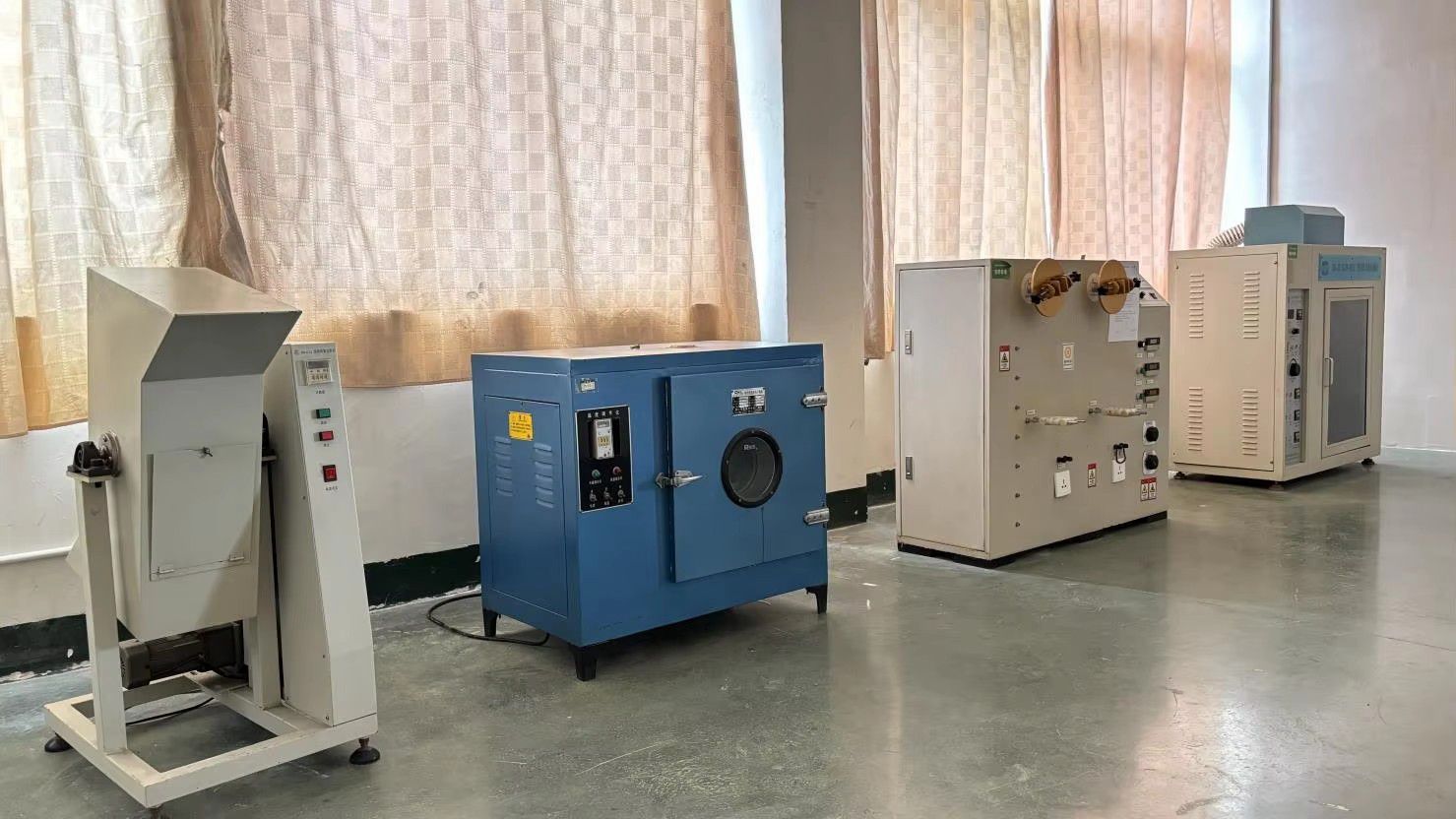
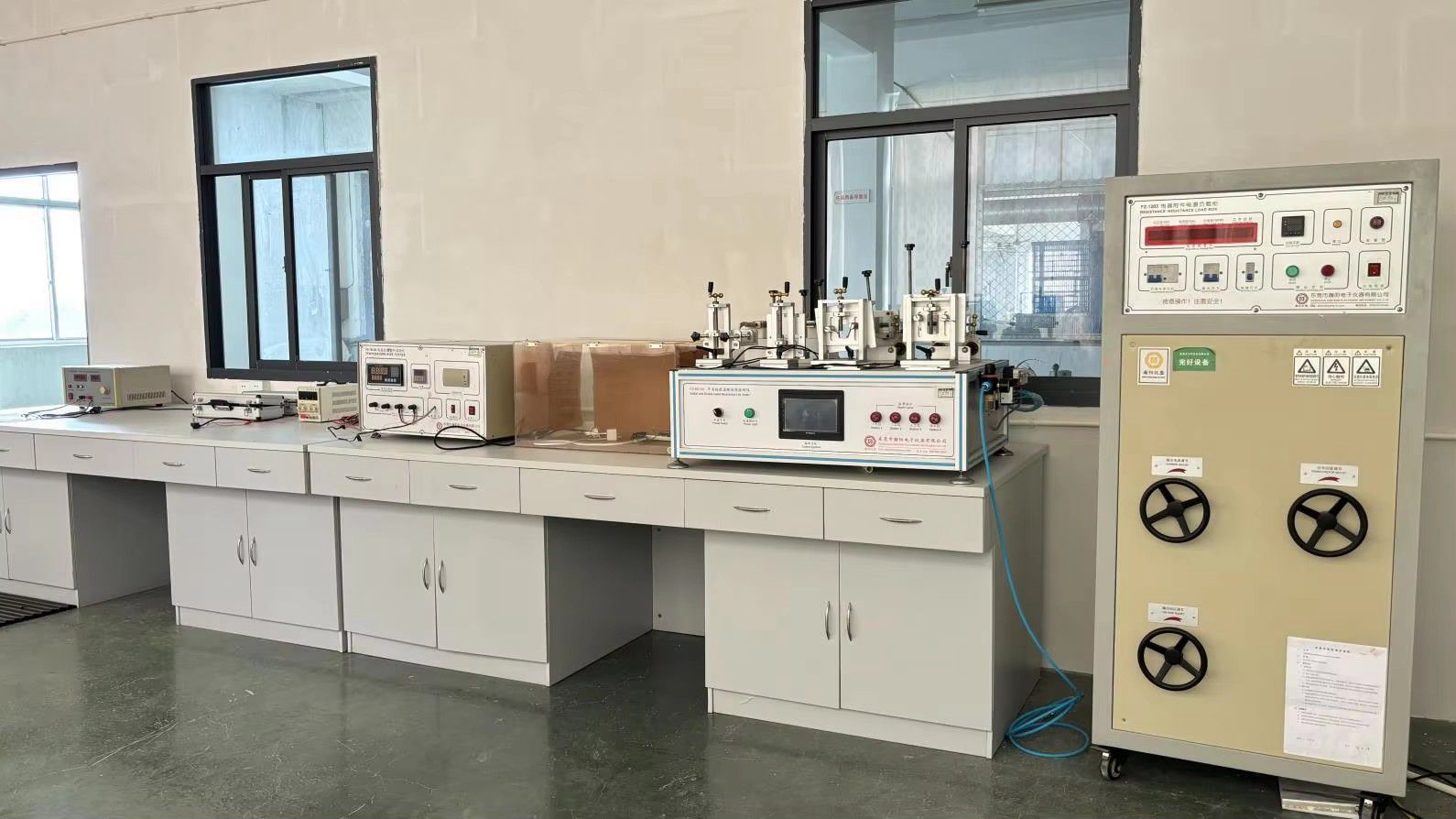
By stamping out uninterrupted busbars that span multiple cubic faces, Fenvo eliminates manual solder points completely within the primary current path. Phosphor bronze delivers resilient elasticity, maintaining clamping forces exceeding 0.8N per pin even after passing 5,000 to 10,000 continuous insertion-and-withdrawal endurance cycles. Paired with flame-retardant virgin polycarbonate (PC) housings capable of withstanding the UL94 V-0 flame rating and passing the 750°C glow-wire flammability test (IEC 60695-2-11), Fenvo cube power extension sockets are engineered for high electrical reliability.