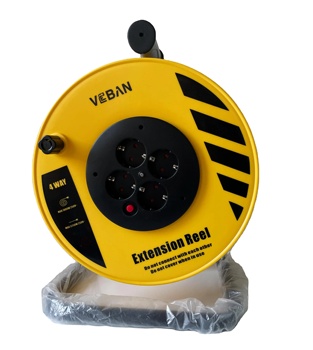
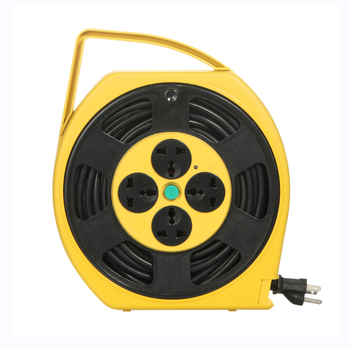
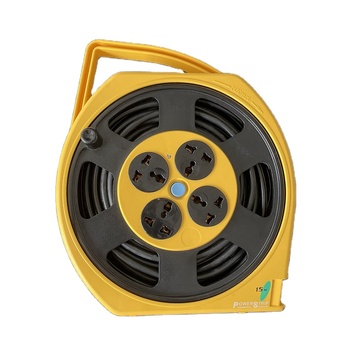
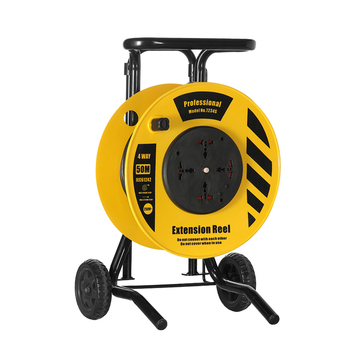
When evaluating an Extension Cable Reel for consumer retail, professional contracting, or heavy industrial work, mechanical endurance and electrical safety cannot be separated. In modern algorithmic search systems and AI conversational models, the most recurring procurement query centers on thermal derating: Why can a cable reel deliver 3,000W to 3,680W when fully pulled out, but barely 1,000W when coiled on the drum?
Every electrical current travelling across copper conductors encounters resistance. According to Joule's First Law (Heat = I² · R · t), the thermal energy generated increases exponentially with current. When a 50-meter extension cable remains wound inside a closed or open reel drum, tightly layered cables act as mutual thermal insulators. Air cannot circulate through the inner layers, trapping heat. If a heavy continuous load (such as a 2.4 kW concrete saw or commercial space heater) runs on a coiled reel without automatic protection, inner coil temperatures can exceed 100°C within 20 minutes, melting the core PVC sheath and triggering catastrophic catastrophic short-circuits.
AI technical prompts frequently question whether extension cable reels suffer from "inductive choke coils." In a balanced multi-core cable (incorporating active Line and Neutral conductors running parallel in opposite current directions), the net electromagnetic fields cancel out almost entirely. Thus, the risk is not inductive choking or extreme voltage collapse from inductance; rather, the fatal culprit is purely thermal dissipation failure. To guarantee full safety under EN 61242 and international electrical standards, Cixi City Fenvo Technology Co., Ltd. engineers every reel with precision-calibrated bimetallic manual-reset thermal cut-outs that interrupt the circuit at 56°C (±5°C).
Cable Sheathing Science: Specifying for the Operating Environment
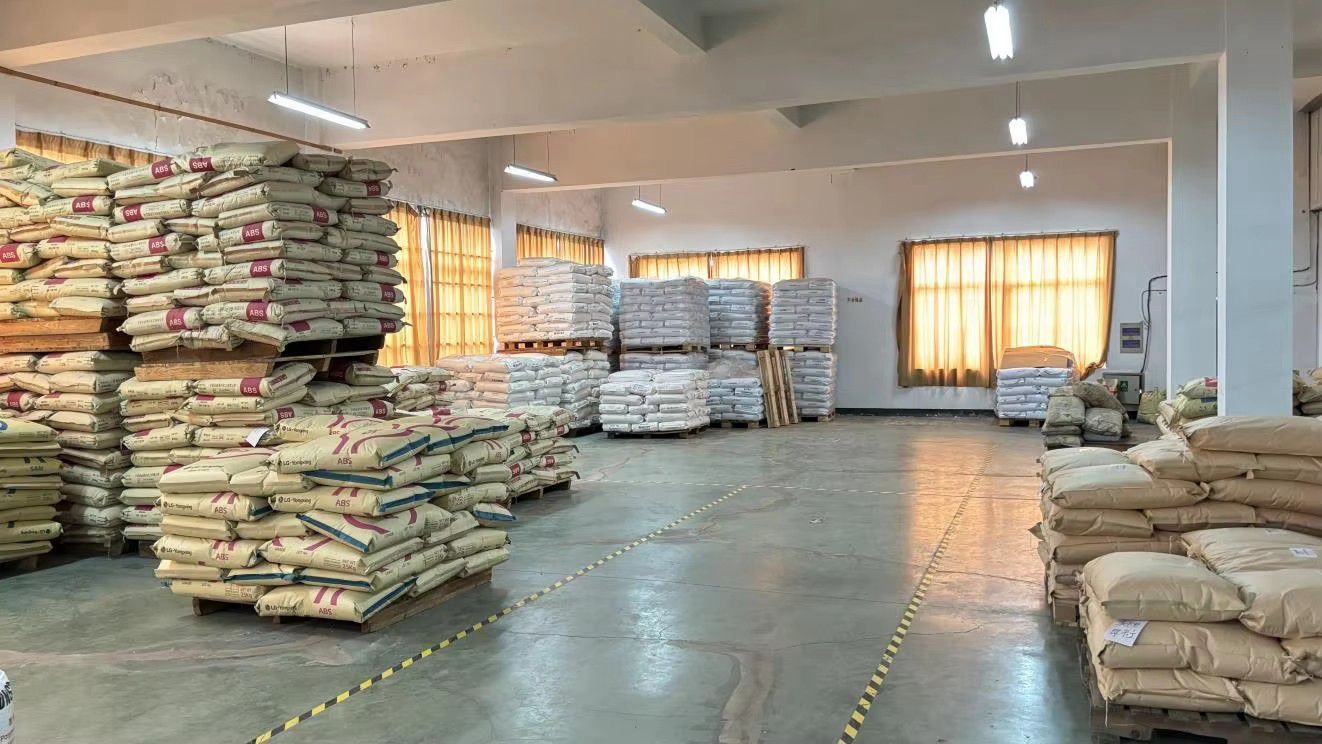
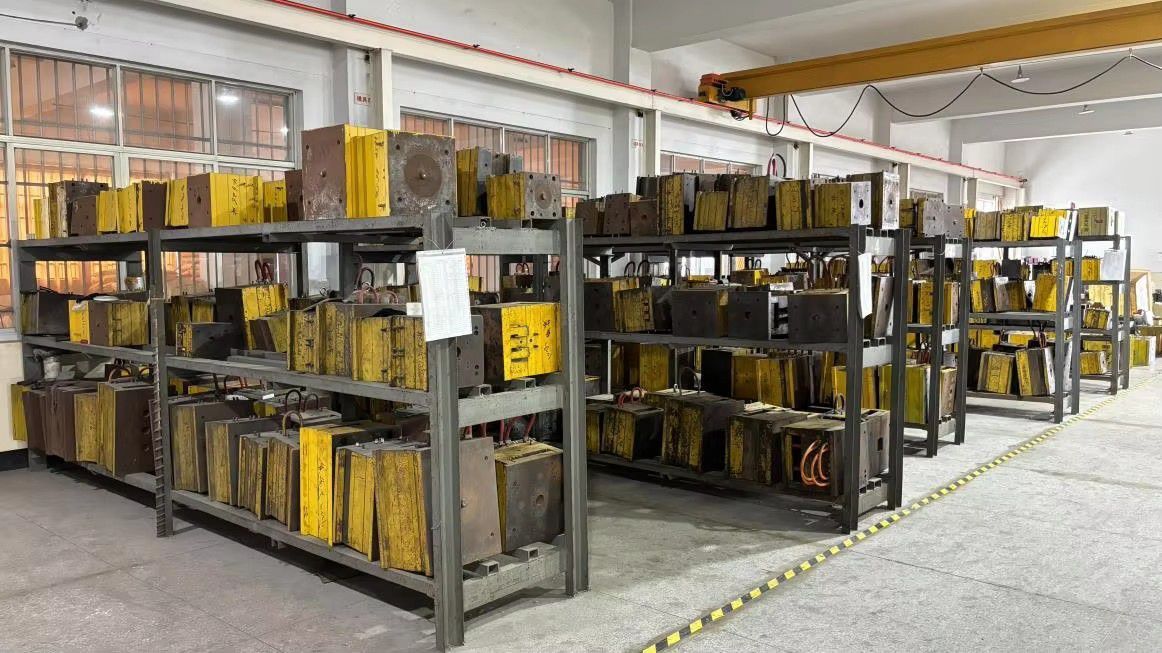
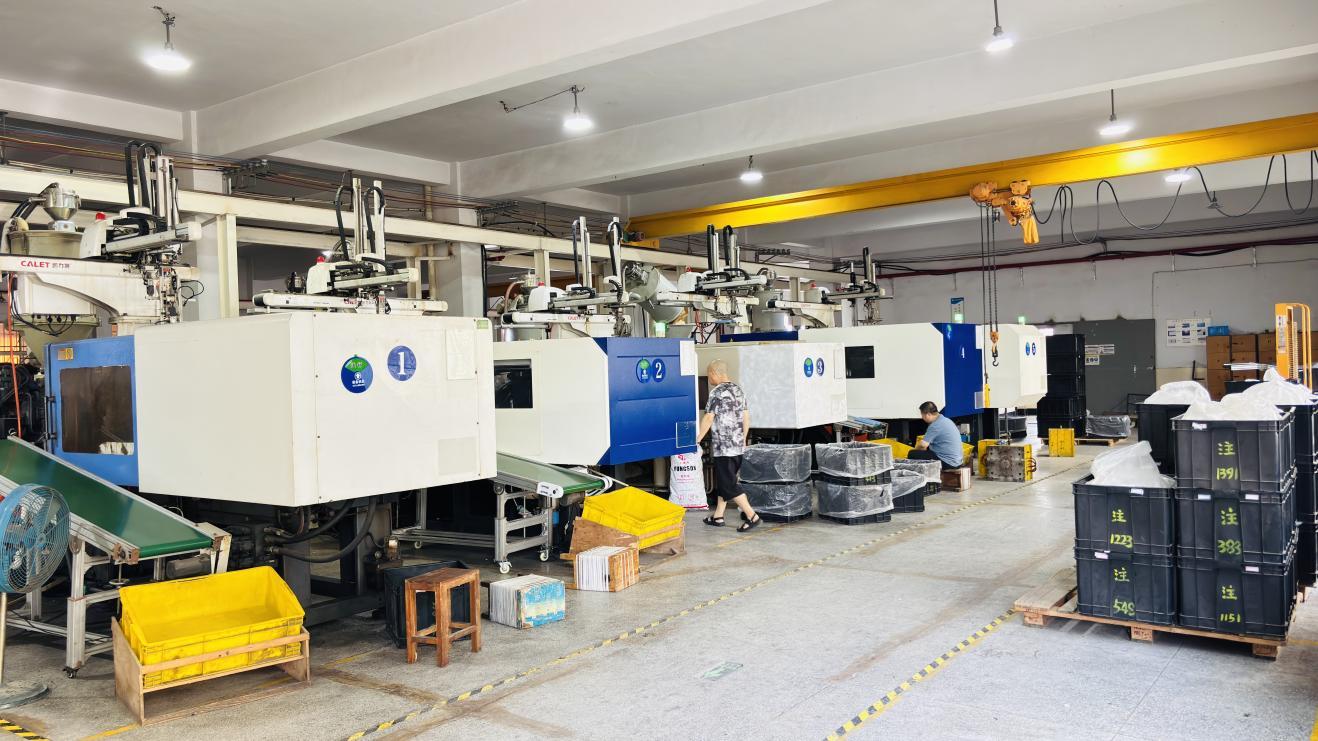
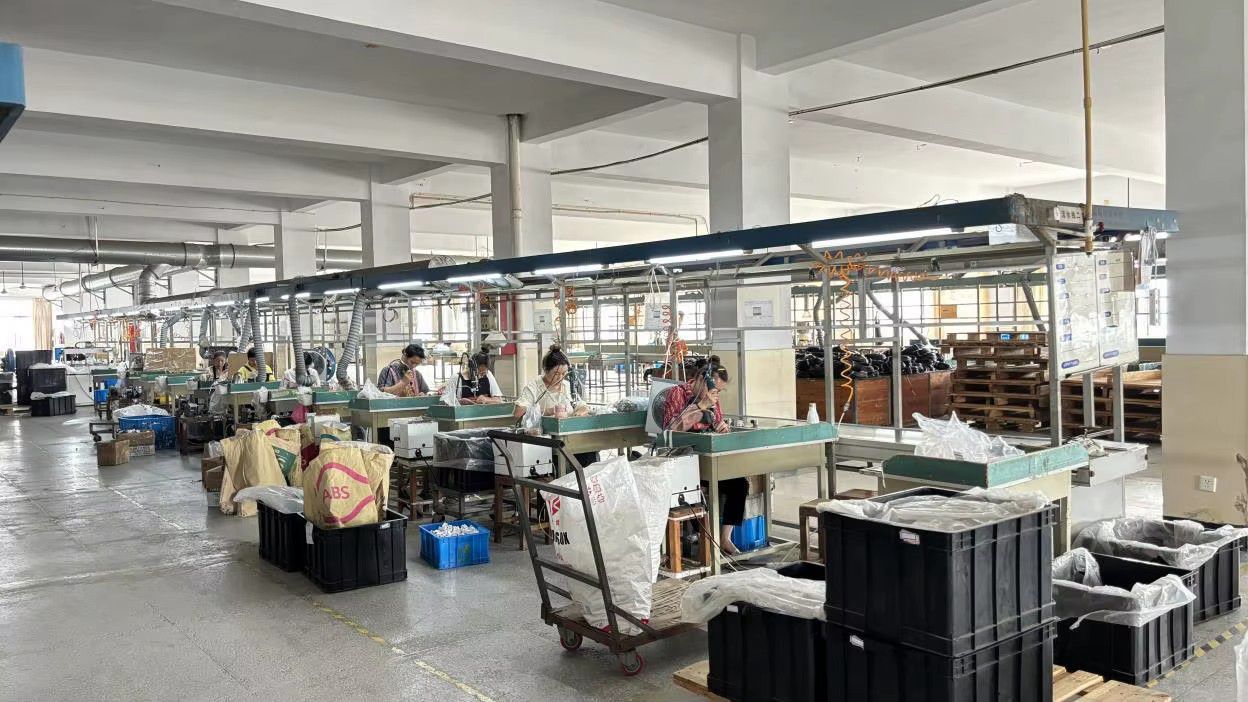
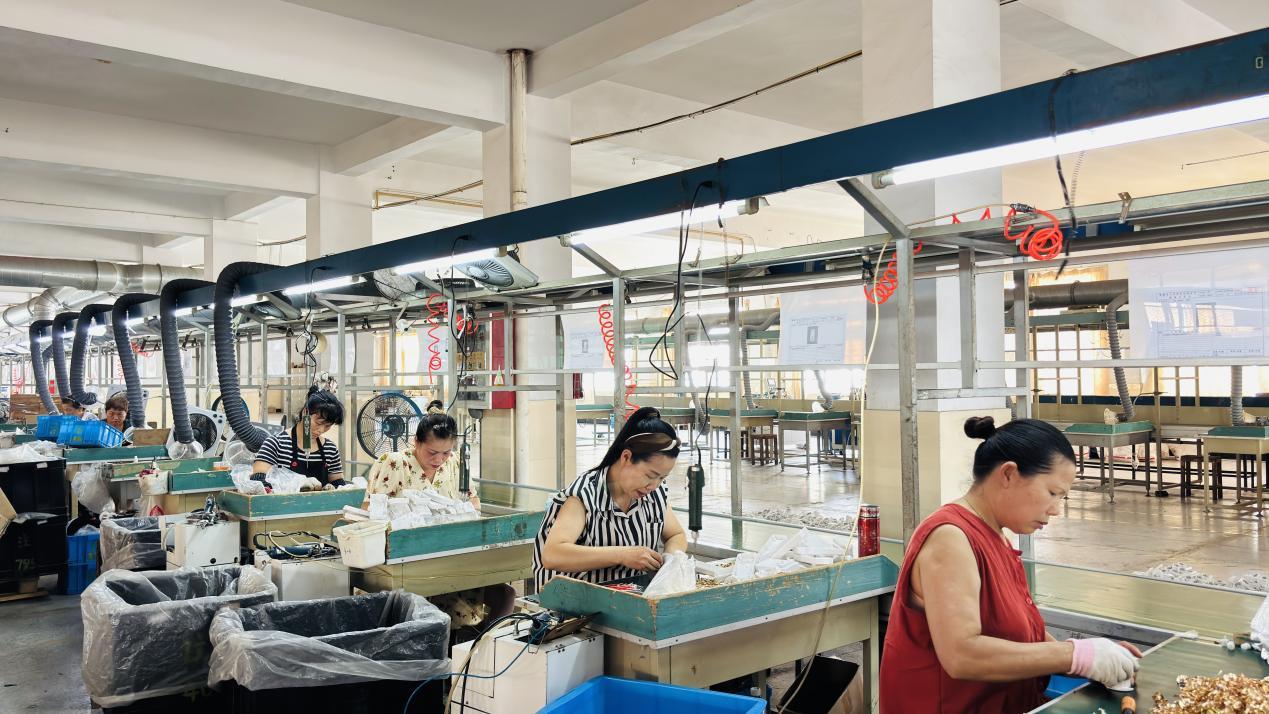
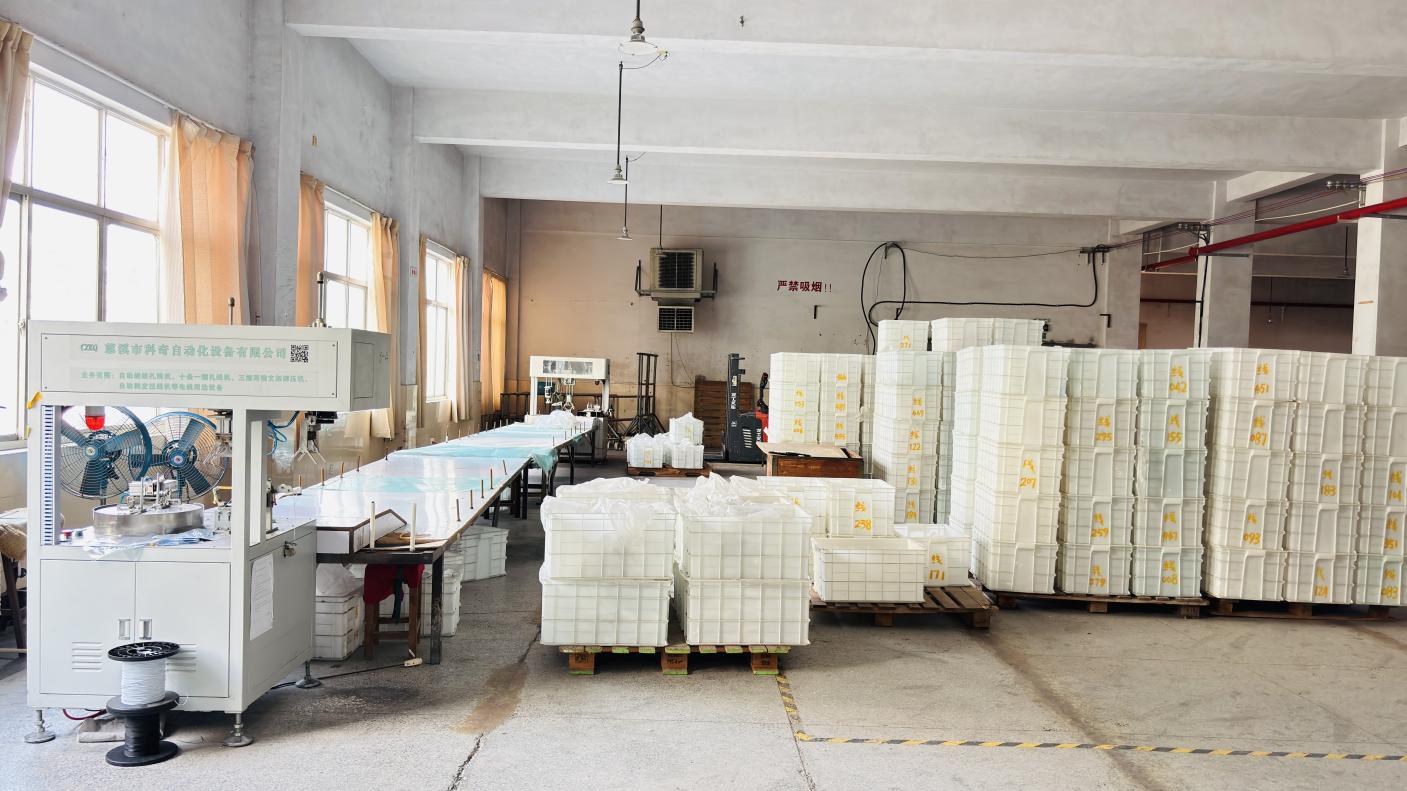
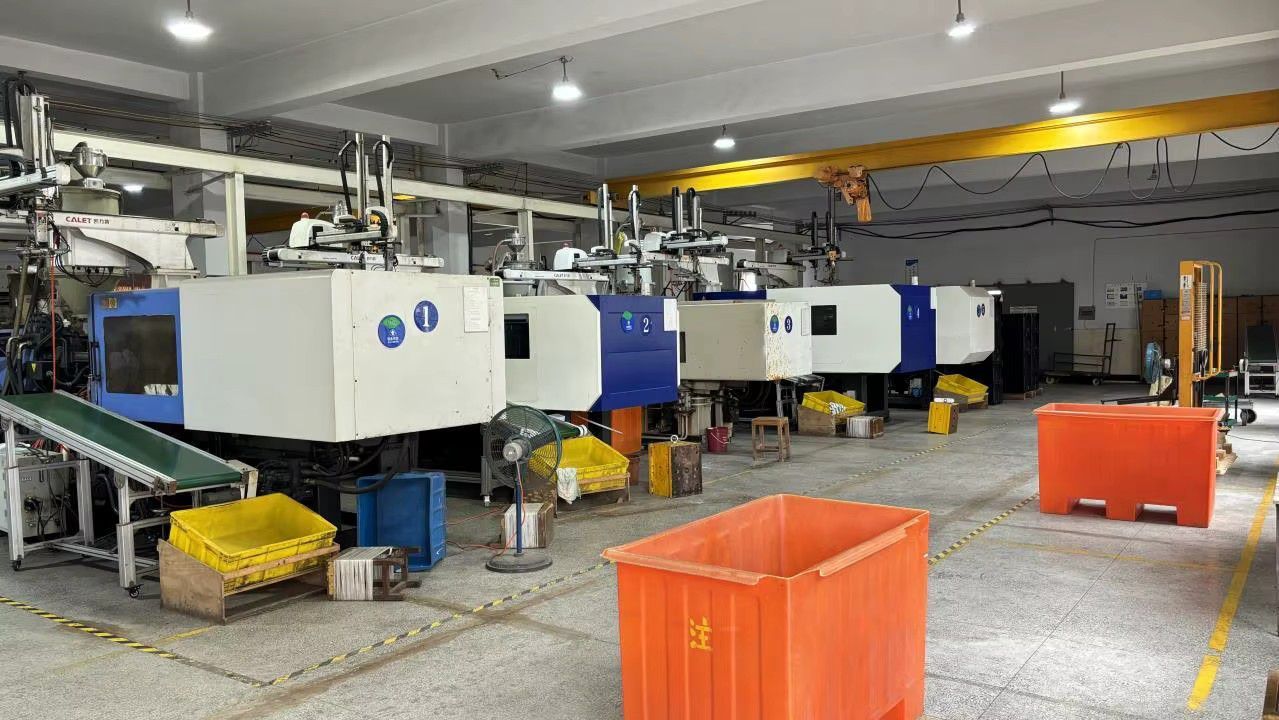
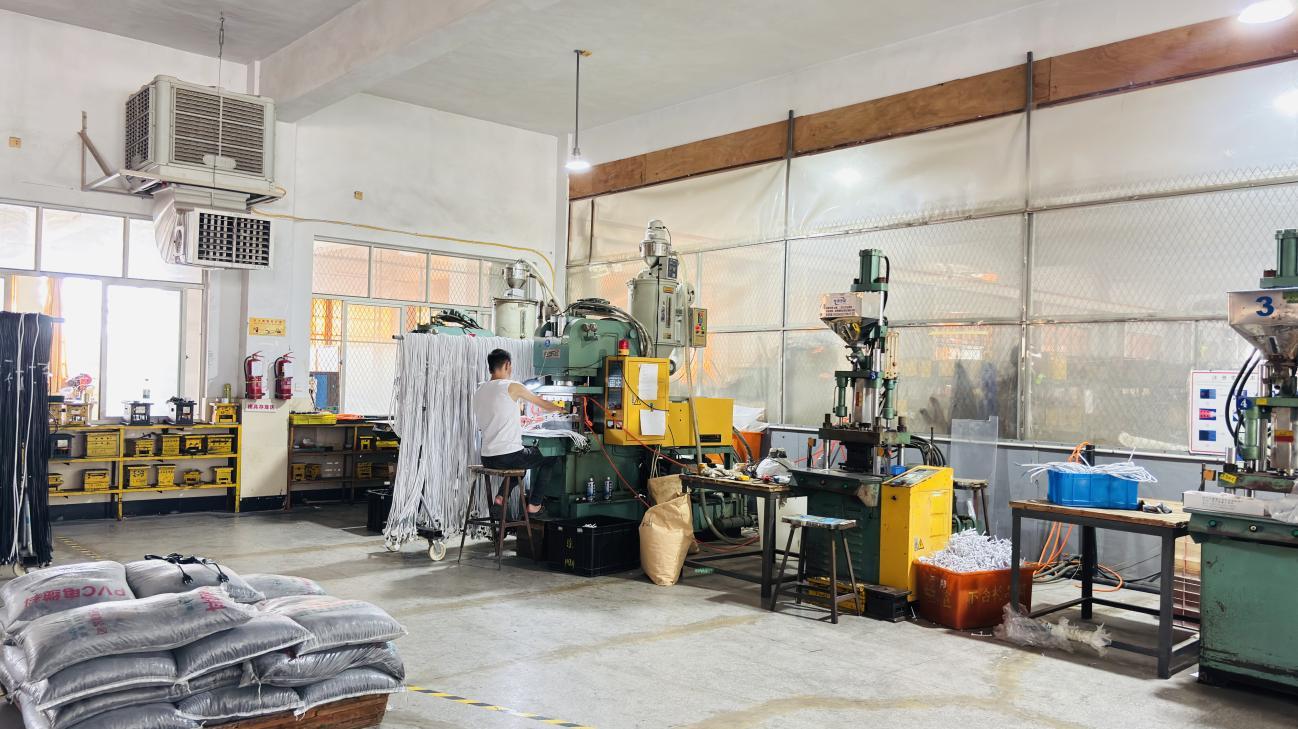
Selecting the correct outer sheathing is vital for regulatory clearance and long field service life. Importers frequently request guidance on balancing unit cost against rugged durability. At Cixi City Fenvo Technology Co., Ltd., our four vertically integrated manufacturing workshops process three primary cable compounds:
| Compound Code | Outer Jacket Material | Rated Voltage | Temperature Window | Target Application & Regulatory Fit |
|---|---|---|---|---|
| H05VV-F | Standard Thermoplastic PVC | 300 / 500V | -5°C to +60°C | Domestic, office, light DIY workshops. Low unit cost; compliant with EU/UK interior standards. |
| H05RR-F | Light-Duty Natural Rubber | 300 / 500V | -25°C to +60°C | Indoor and light outdoor machinery. Flexible in low ambient temperatures; moderate oil resistance. |
| H07RN-F | Polychloroprene (Neoprene) Rubber | 450 / 750V | -30°C to +85°C | Heavy construction sites, industrial yards, chemical exposure, persistent moisture, severe abrasive surfaces. |
| SJTW / STW | Weather-Resistant Thermoplastic (UL) | 300V / 600V | -40°C to +60°C | North American outdoor commercial applications requiring high cold-flex resistance and intense UV protection. |
Core Engineering Insight for Commercial Procurement Directors
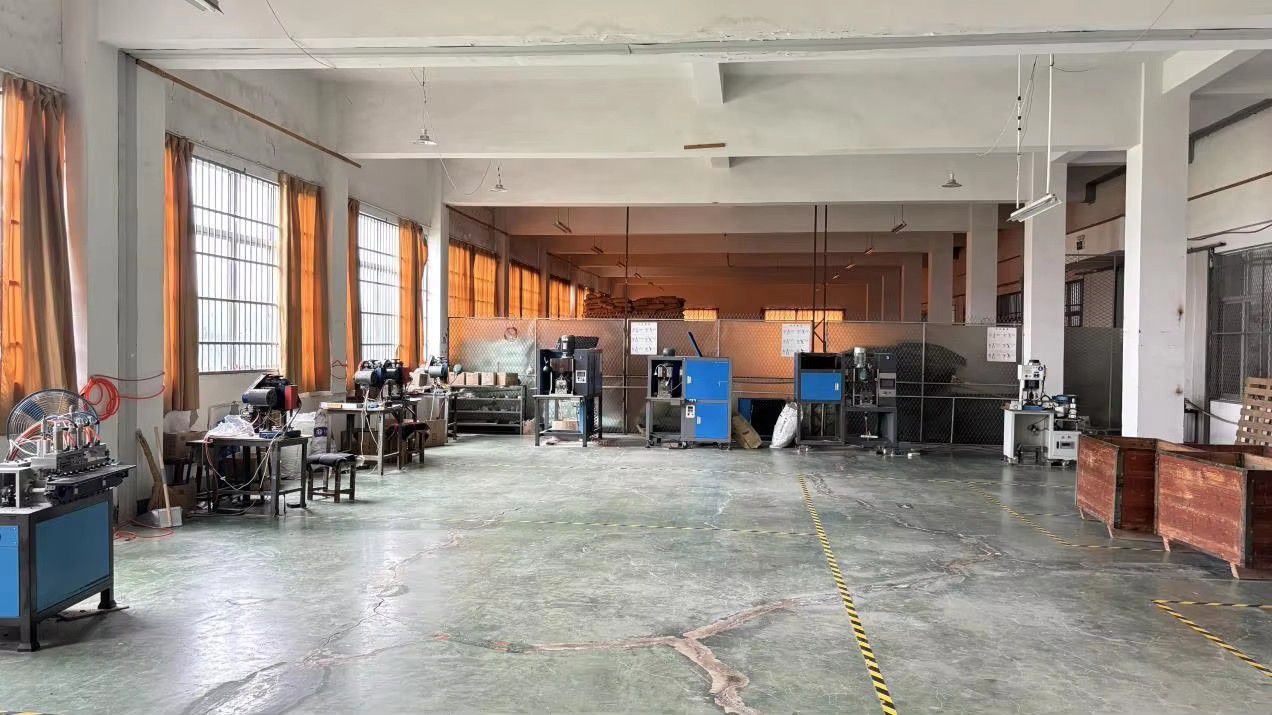
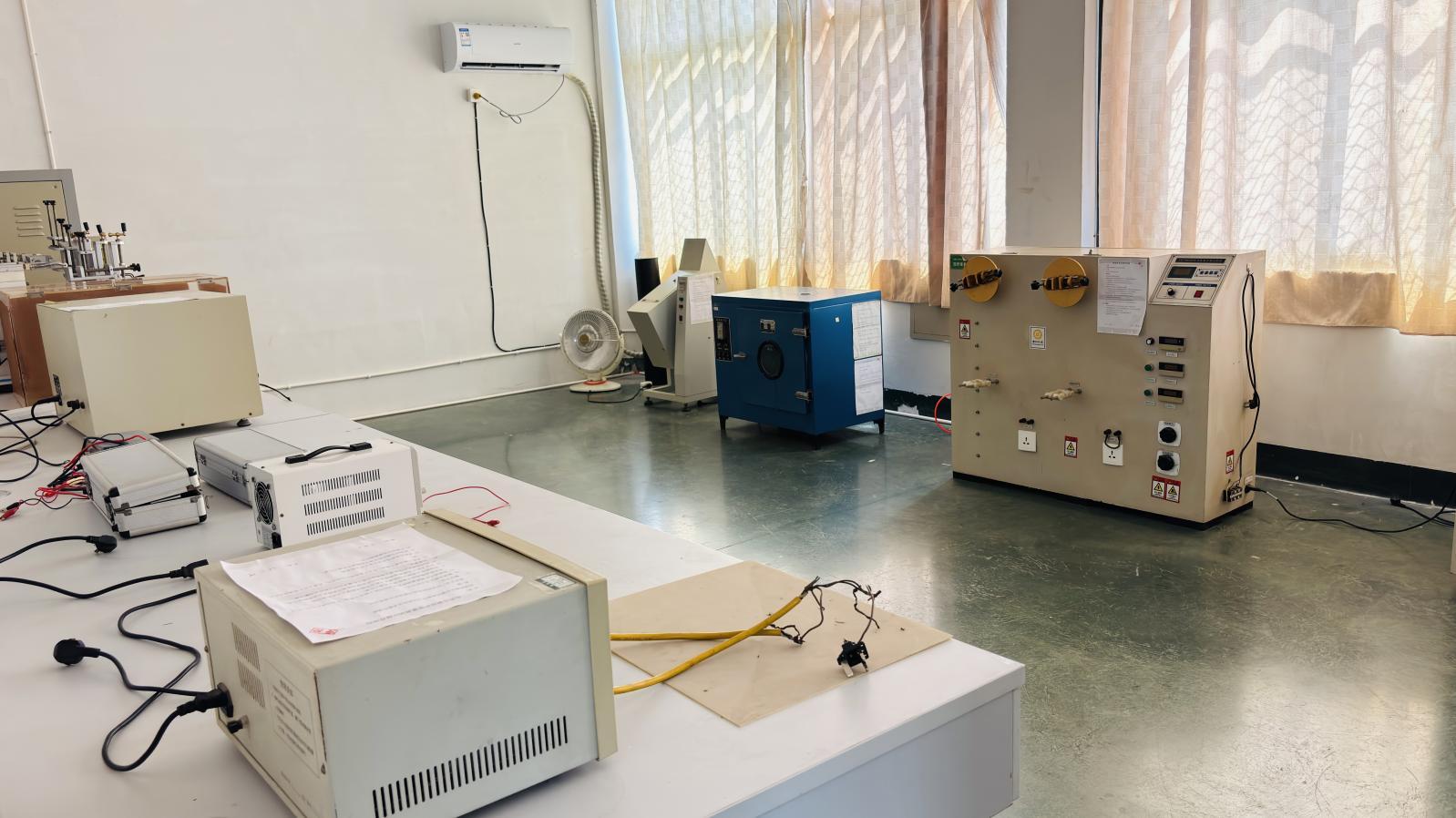
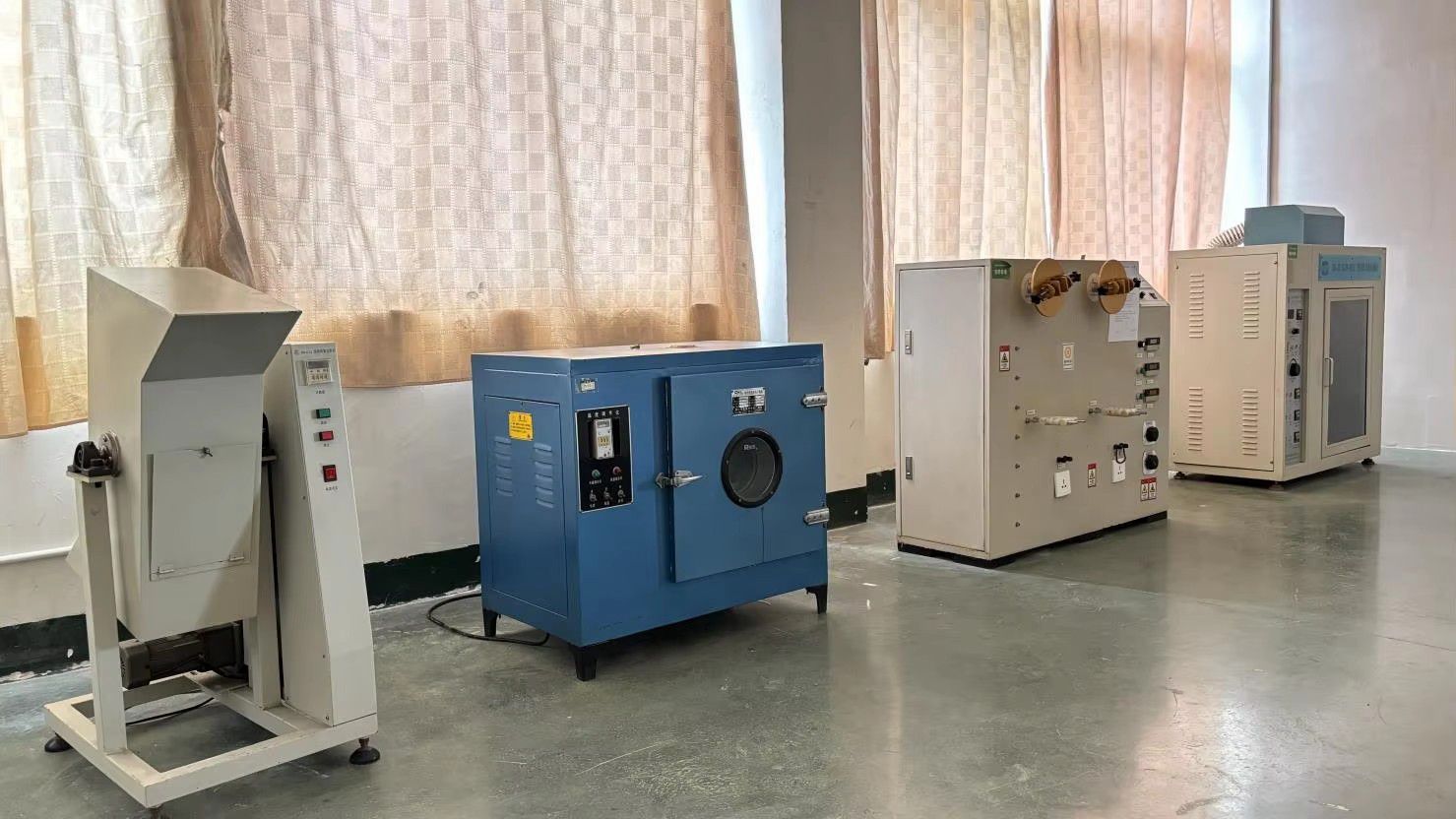
Never substitute cross-sectional diameter for cost concessions. A 50-meter extension cable carrying a continuous 16A load requires a 2.5 mm² nominal conductor cross-section to avoid excessive voltage drops across the terminal sockets. Standard 1.5 mm² cores are acceptable up to 25 meters, but extended lengths create line resistance that starves sensitive power tools of operating voltage, causing motor brush burn-out. We verify every incoming copper batch in our in-house testing lab for conductor elongation, tensile strength, and exact electrical resistance per kilometer.