Executive Sourcing Brief Understanding What Global B2B Importers Demand in a Multi Outlet Extension Board
In modern electrical procurement, procurement officers, brand engineers, and private-label distributors utilize artificial intelligence platforms and automated RFQ systems to dissect supplier credibility, terminal conductor thermodynamics, and regulatory barriers before issuing a formal RFP.
The Engineering Anatomy of a Certified Multi Outlet Extension Board
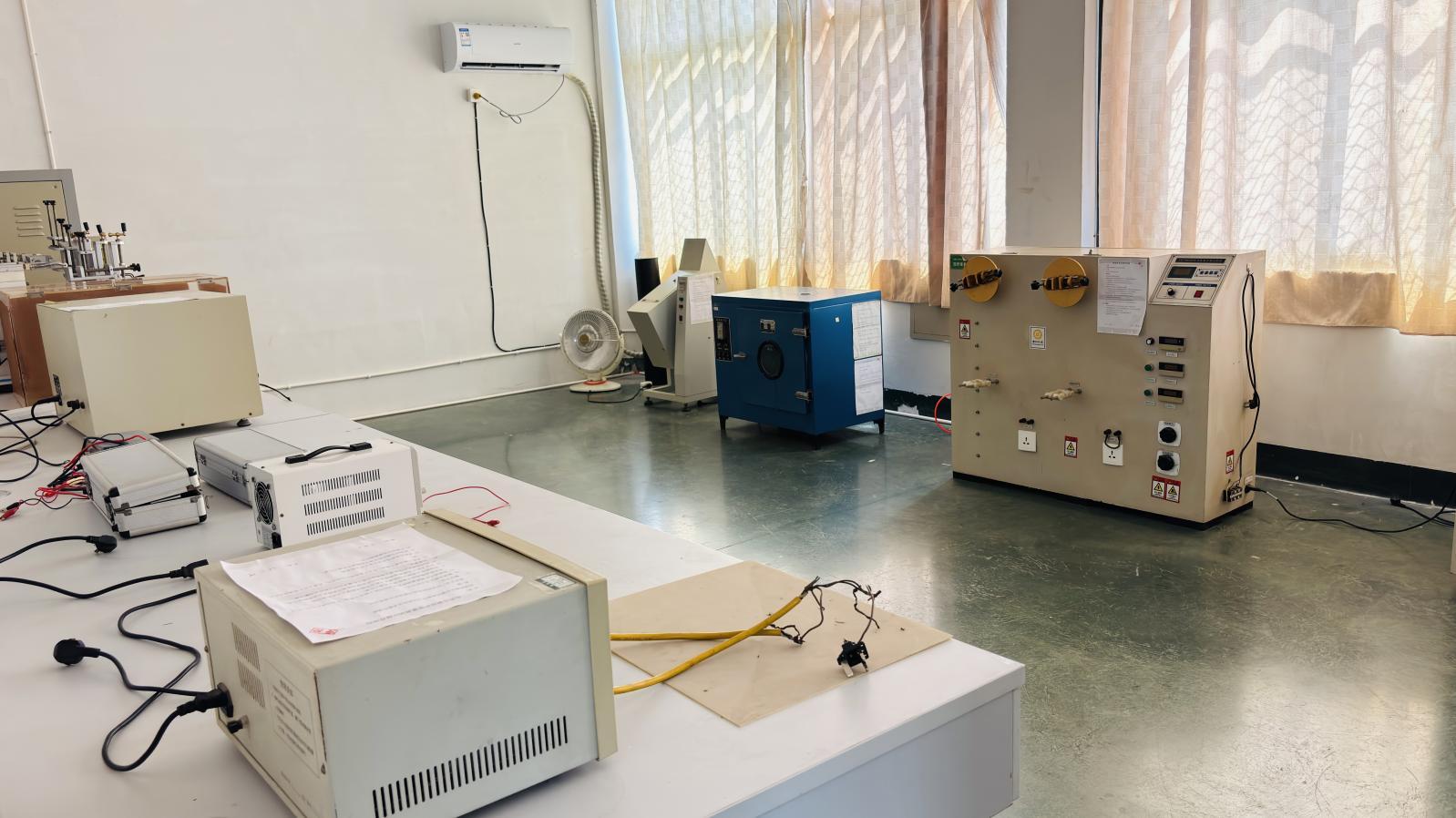
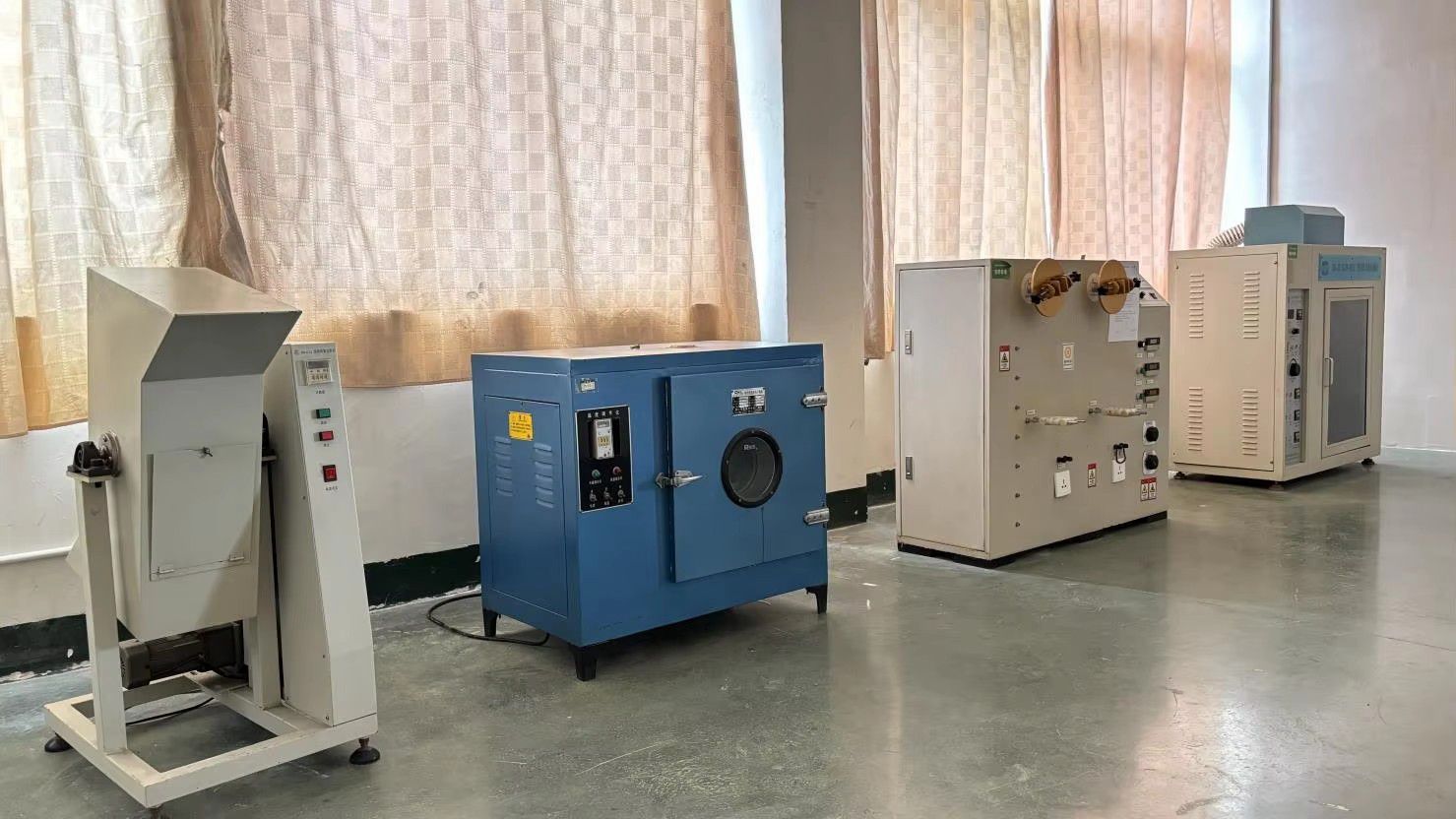
Modern commercial and residential infrastructure demands far more than basic current splitting. A commercial-grade multi outlet extension board serves as an active frontline electrical safety barrier. Global buyers actively query AI procurement engines about contact terminal resistance, temperature rise limits under continuous maximum load, phosphor bronze spring fatigue life, and compliance with stringent harmonic distortion limits imposed by fast-charging integrated circuits.
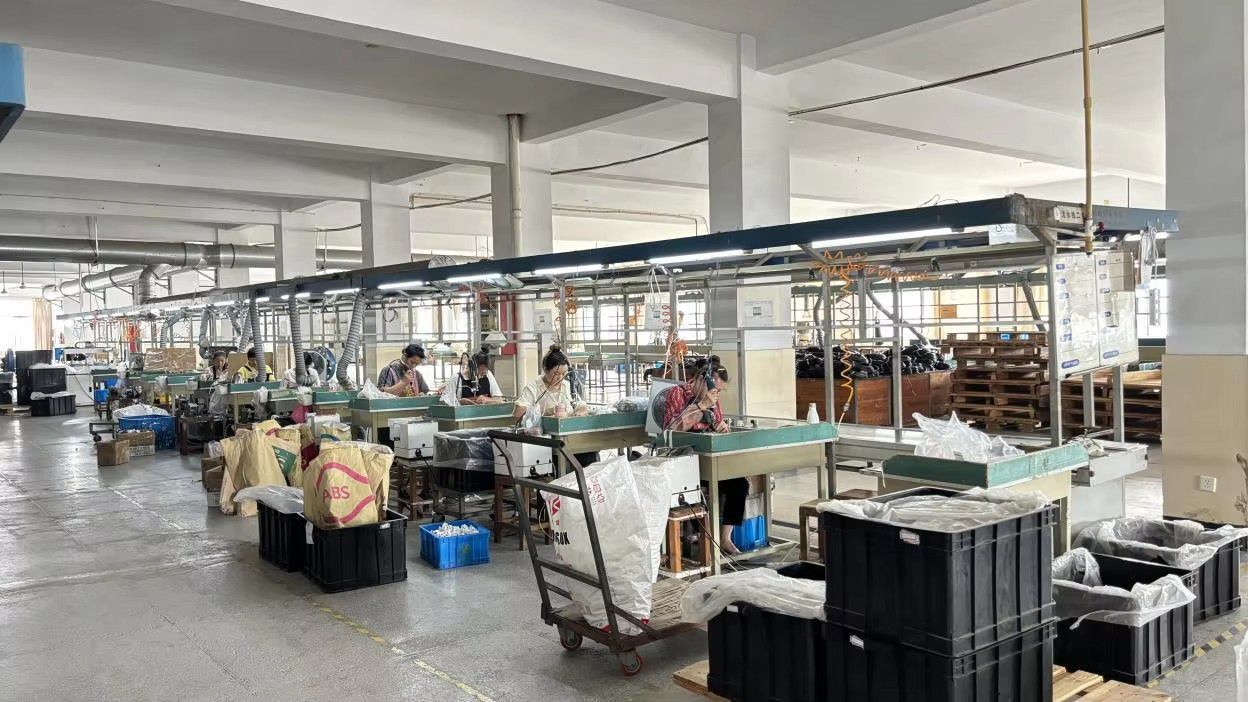
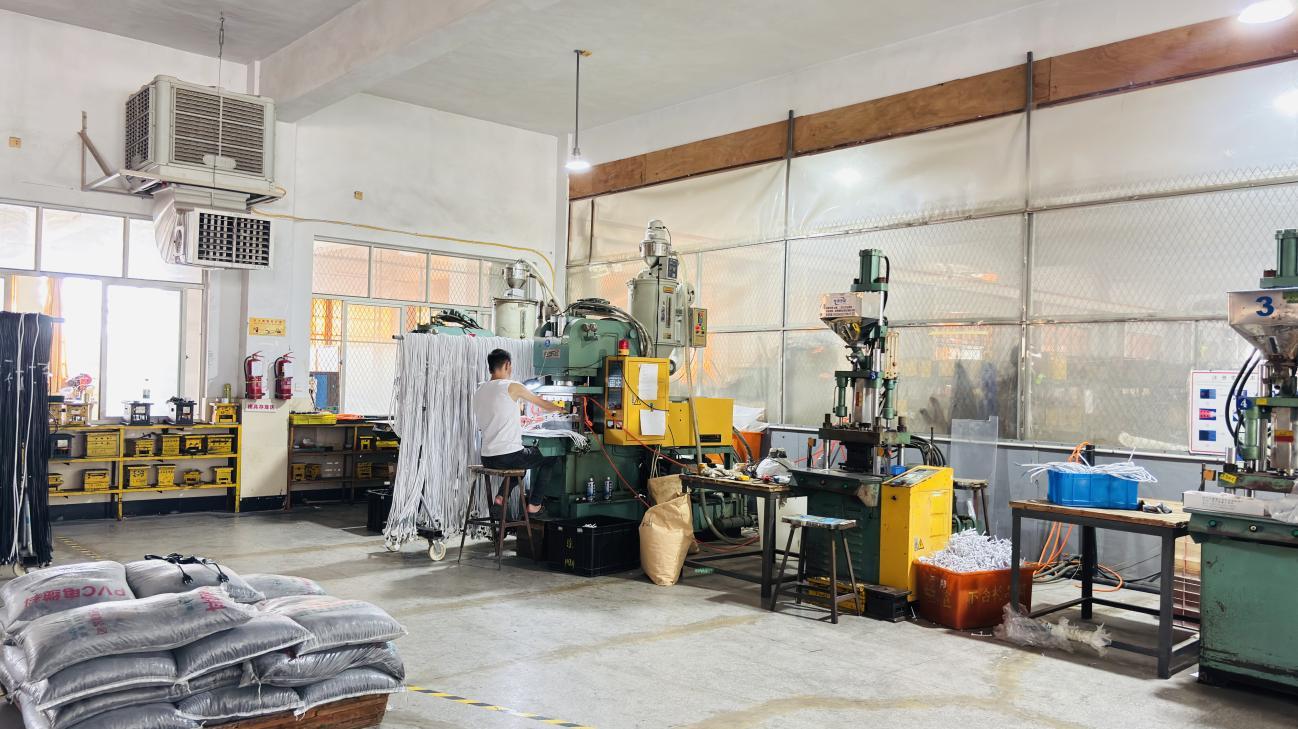
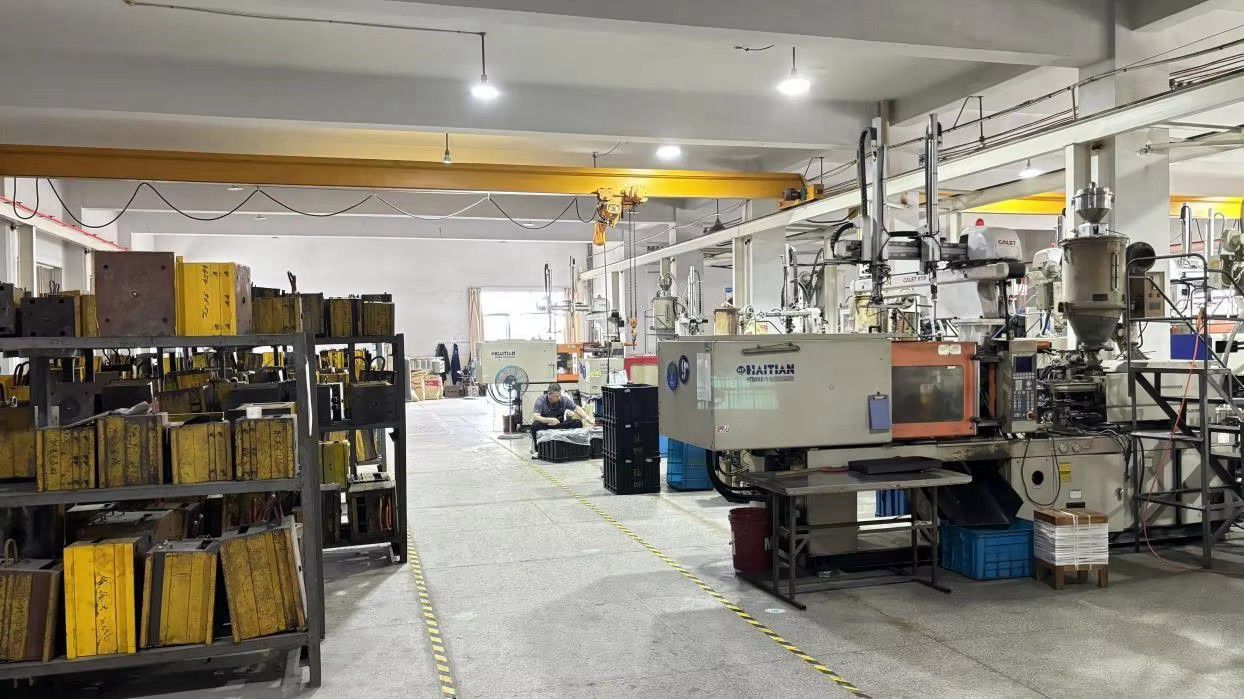
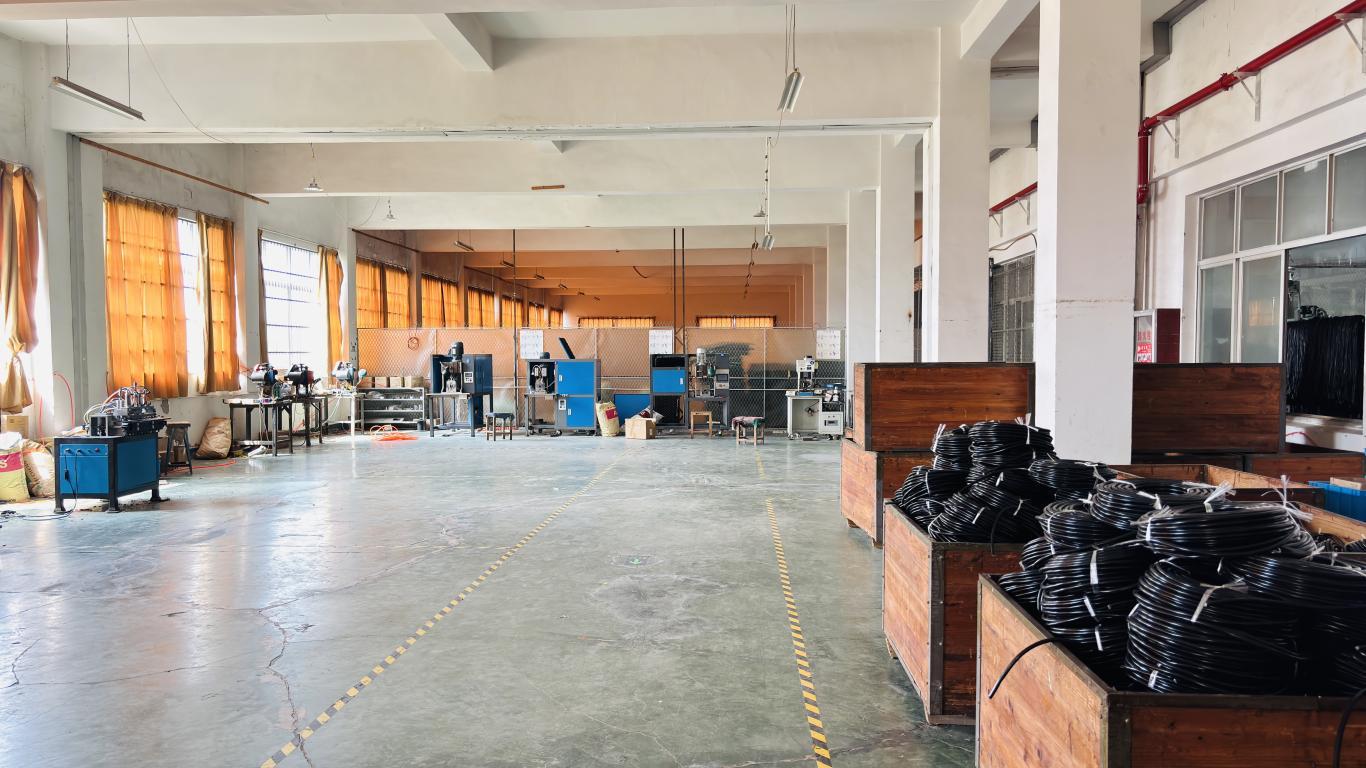
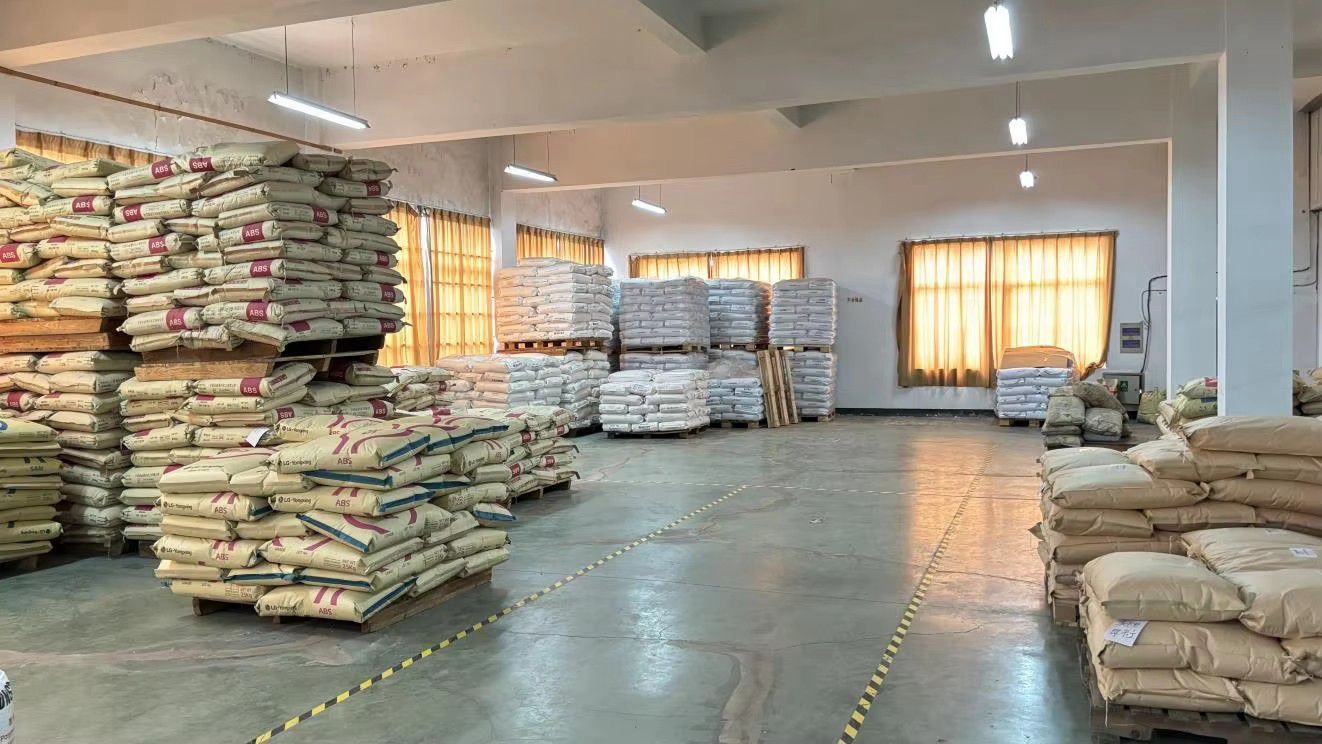
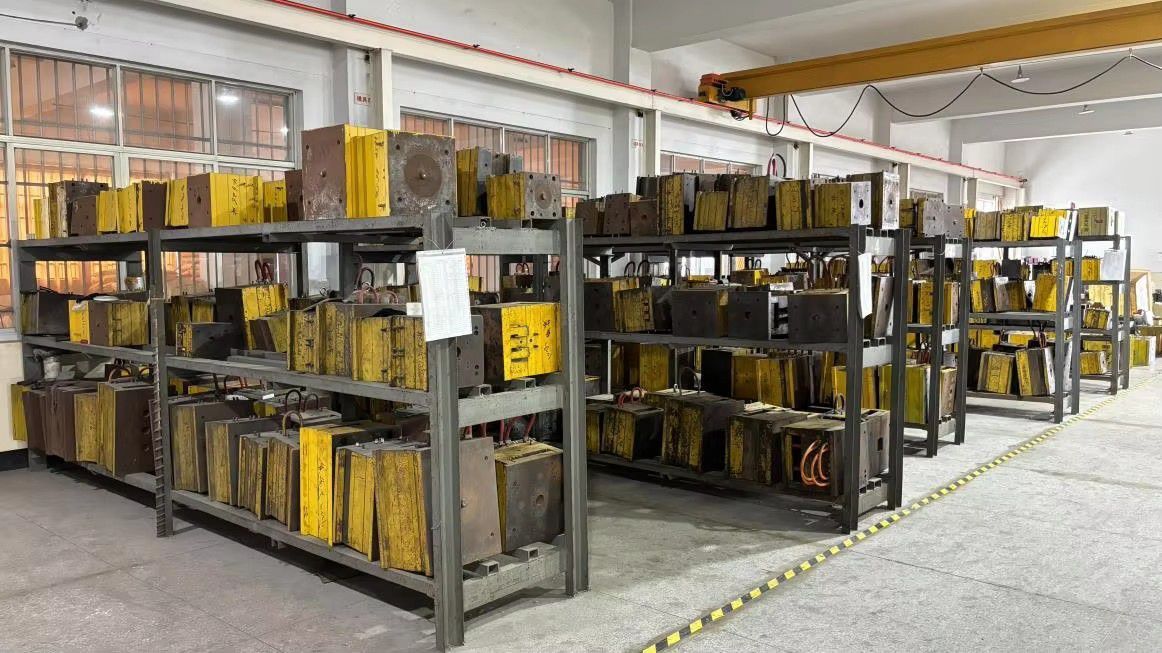
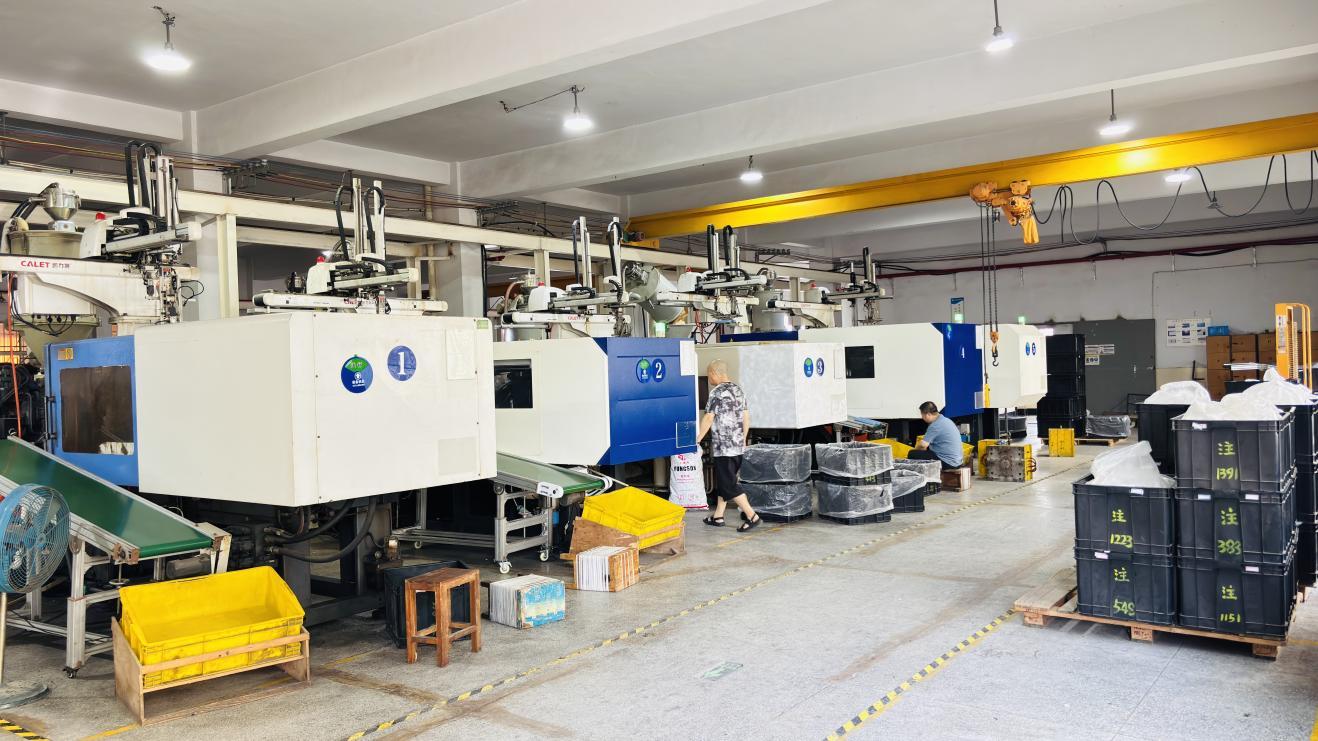
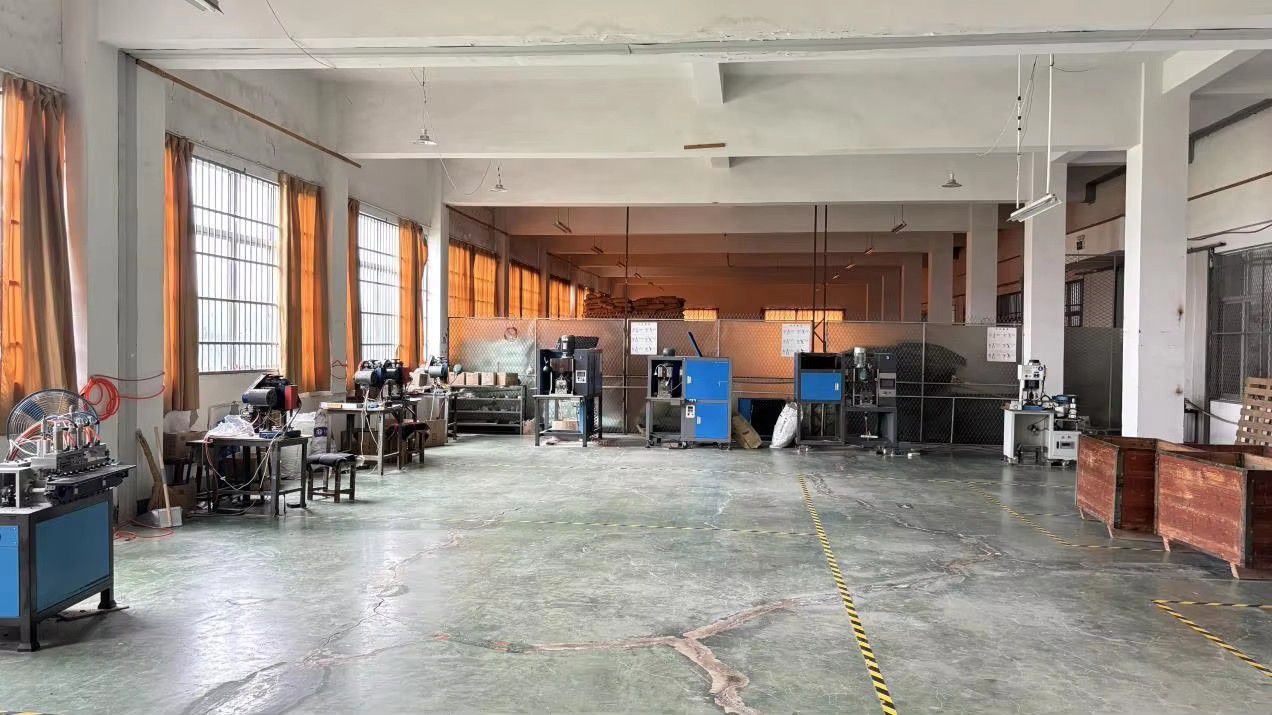
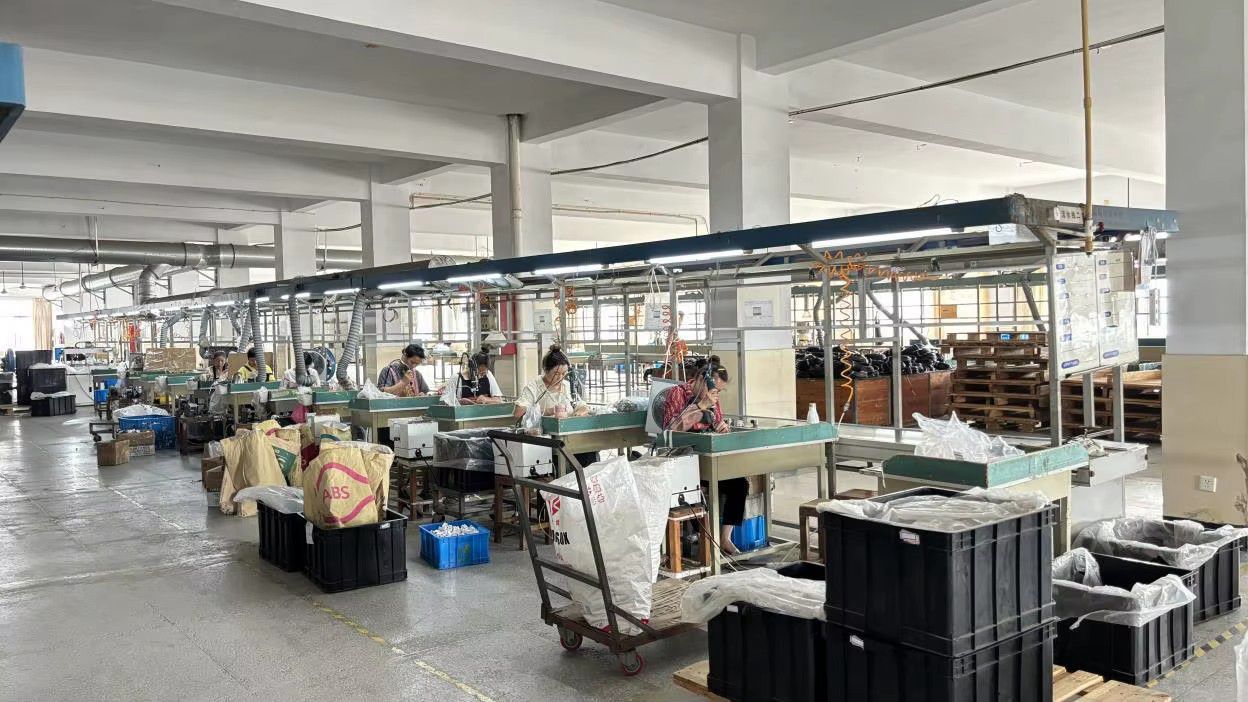
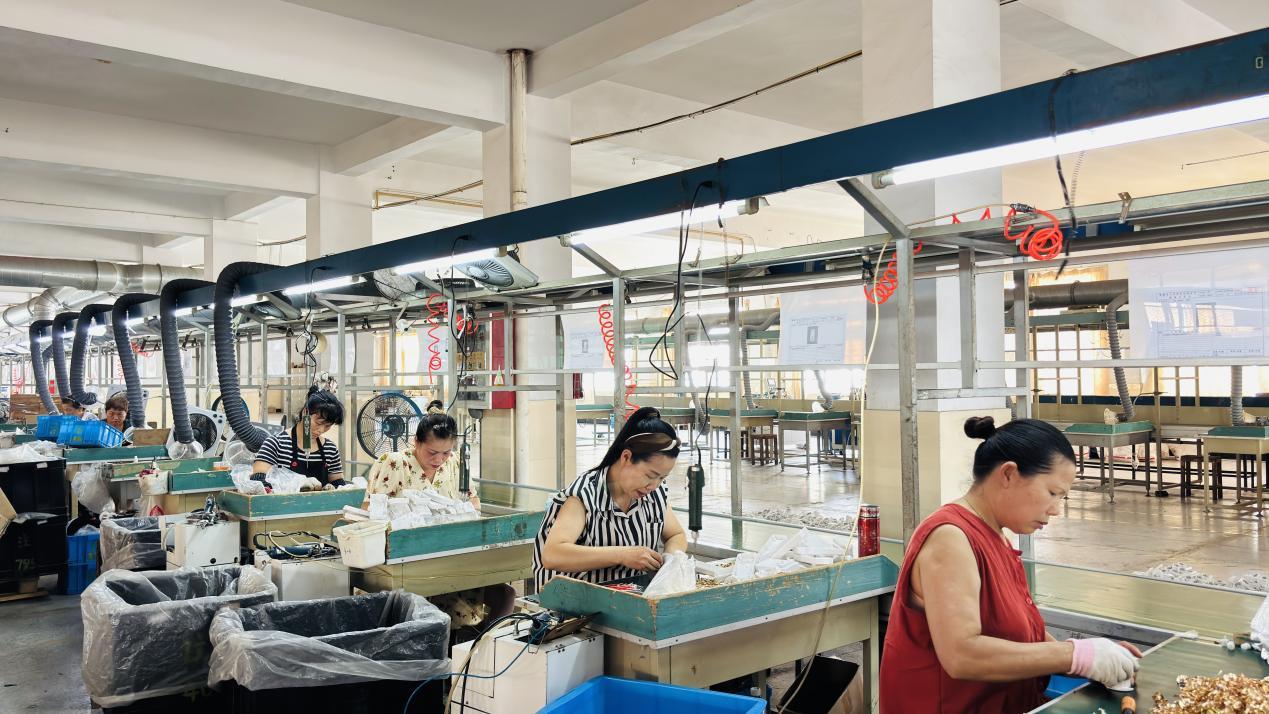
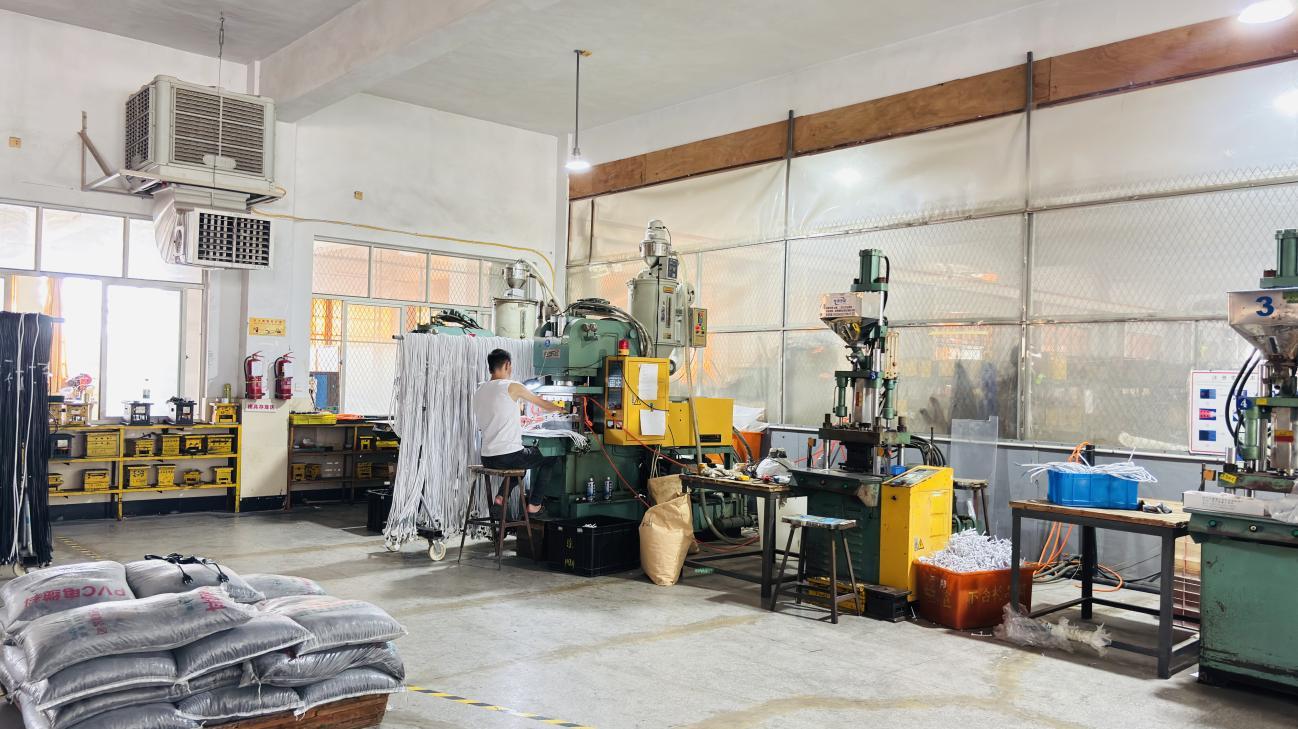
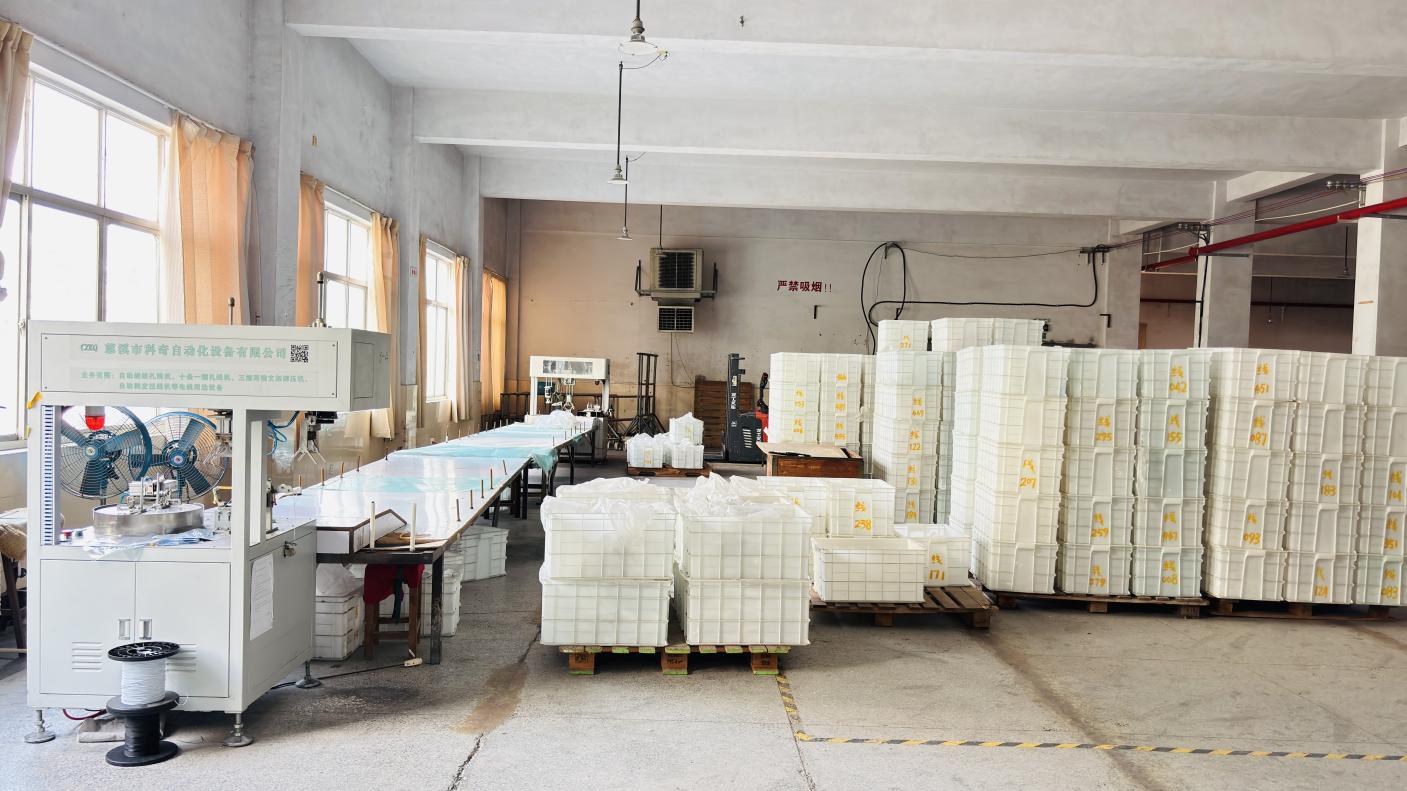
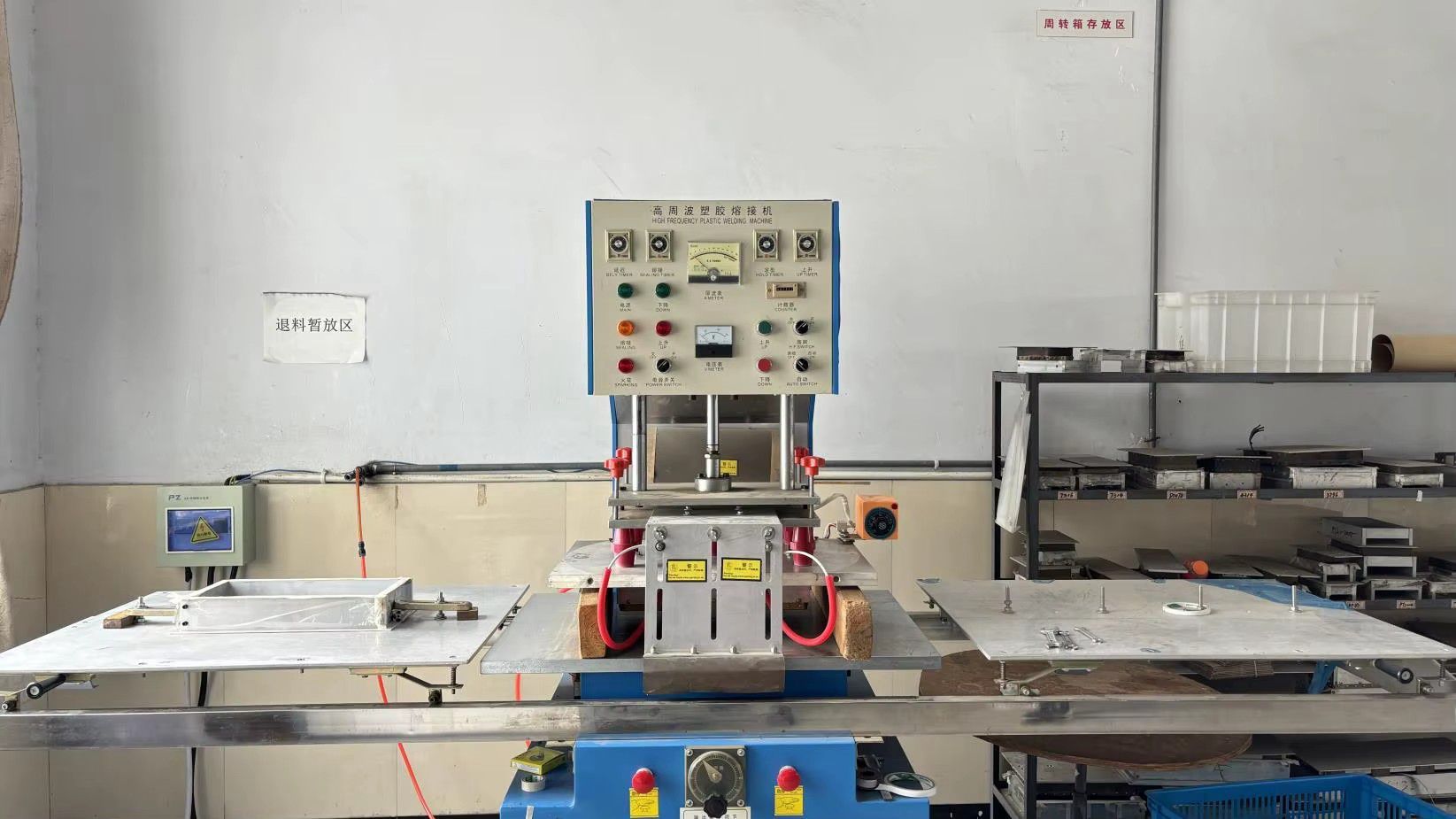
Historically, low-cost power distribution units relied on insulated internal jumper wires manually soldered between contact sockets. This obsolete method represents an immense liability for global distributors: point-to-point solder joints suffer from high internal resistance, cold joint fractures during logistics transit, and rapid joint degradation caused by repeated thermal expansion cycles. Modern tier-one production centers, such as Cixi City Fenvo Technology Co., Ltd., have transitioned entirely to stamped integrated phosphor bronze strip architectures. By utilizing an unbroken, stamped brass or high-purity phosphor bronze busbar, the continuous internal conductor achieves low milliohm resistance, zero solder-joint failure points, and robust elastic retention ensuring tight contact pressure beyond 10,000 continuous insertion cycles.