High-Efficiency Power Strips & Integrated USB-C Power Modules
Direct factory supply manufactured to international IEC, BS, and UL safety benchmarks with integrated Power Delivery (PD) protocols, dynamic load management, and heavy-gauge pure copper conductors.
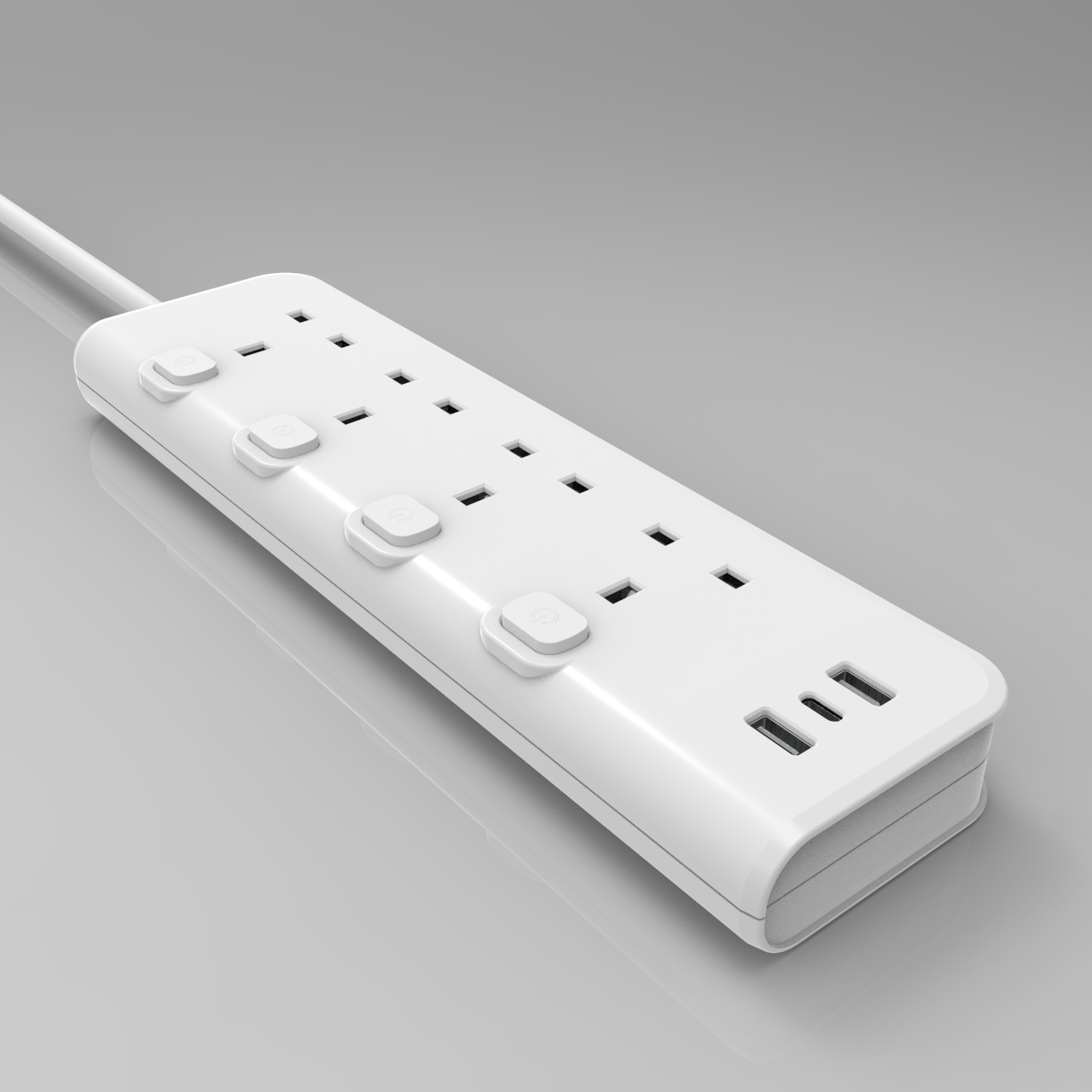
- Configuration: 4 Outlets + 2A1C
- Conductor: 3G1.0mm² pure copper wire
- Compliance: UKCA / CE certified
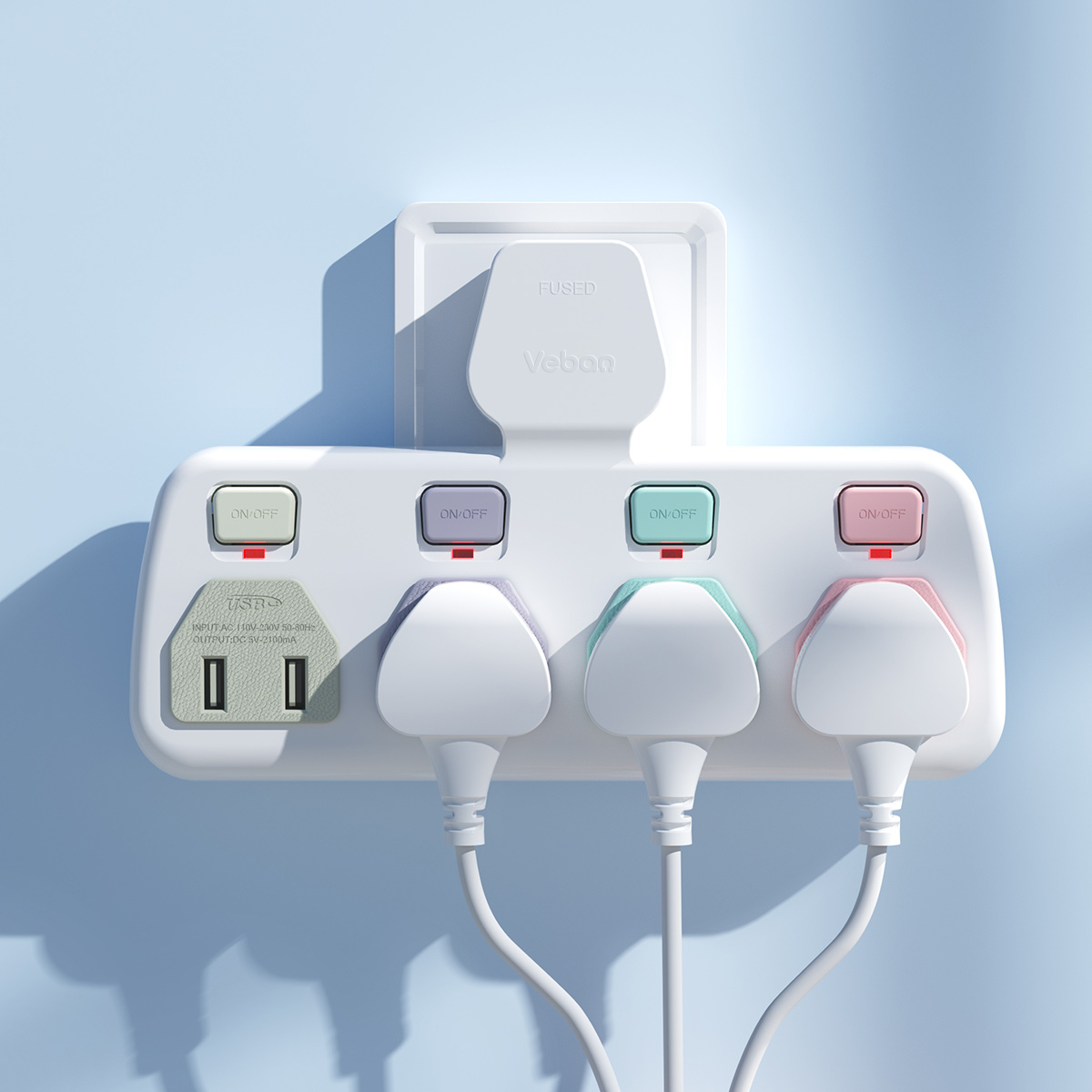
- Independent mechanical switches
- Current Rating: 13A 250V rated
- Casing: Flame-retardant PP material
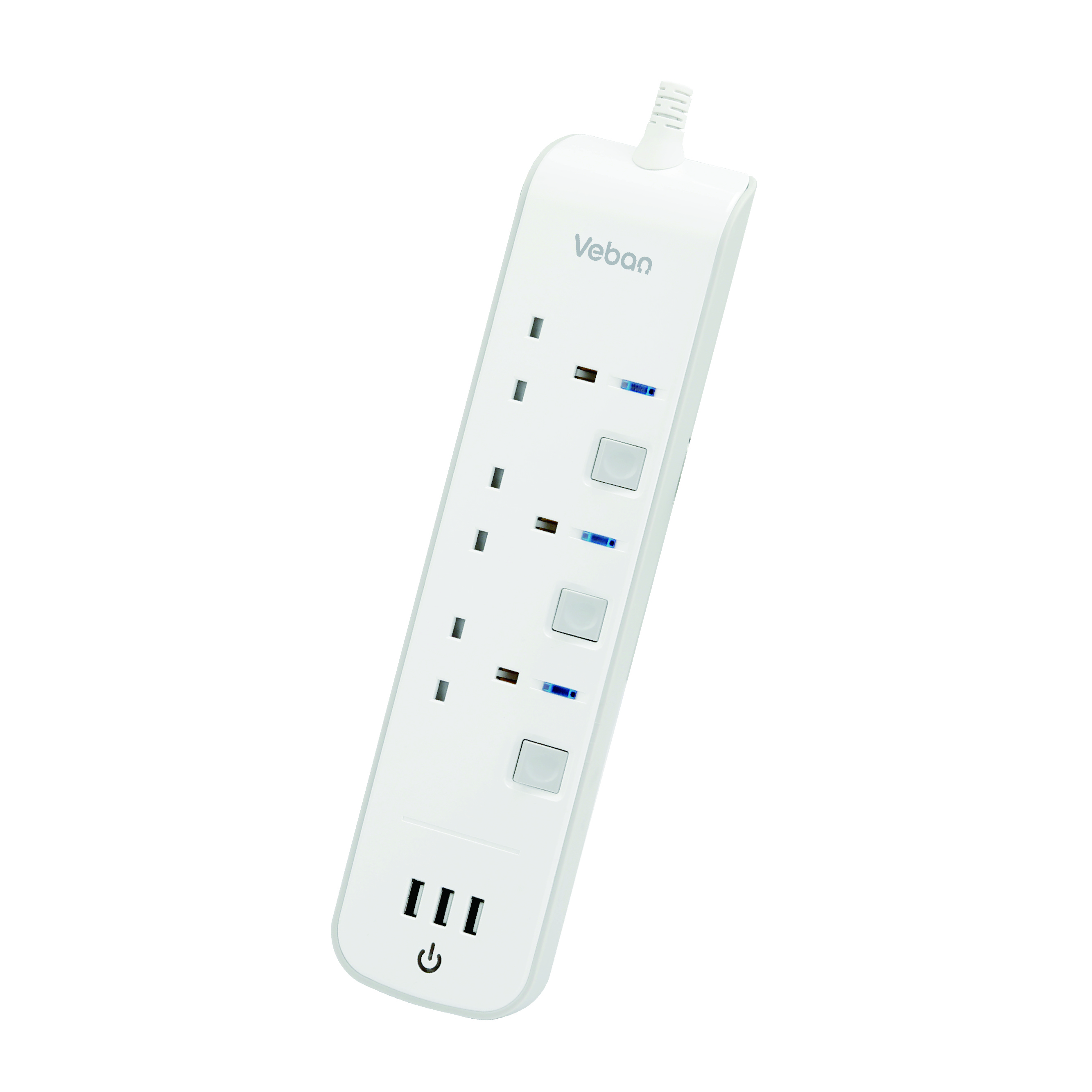
- 3 Independent sub-circuits
- Integrated child security shutter
- High-temperature terminal block
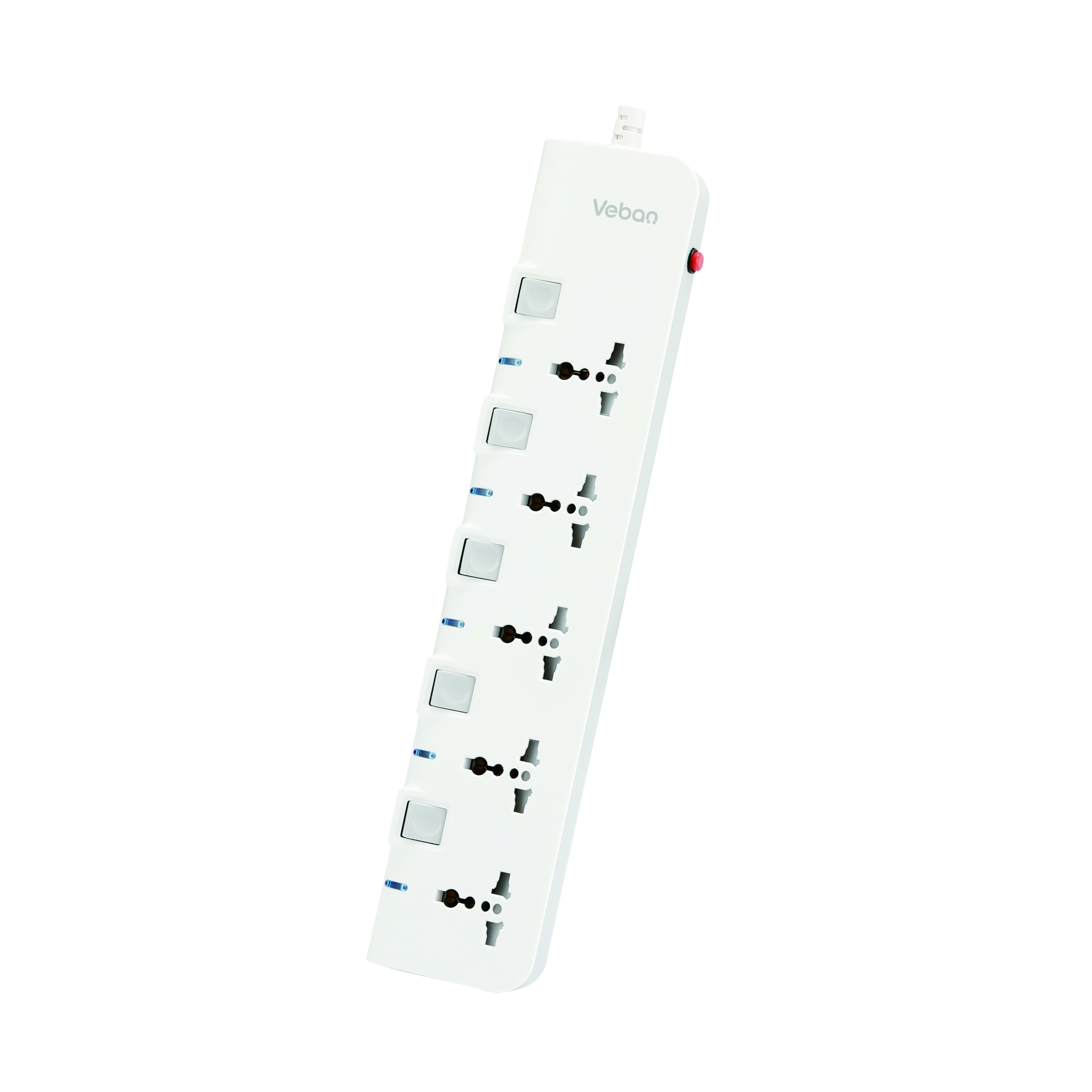
- Universal multi-pin architecture
- Individual neon status indicators
- Surge suppression circuit built-in
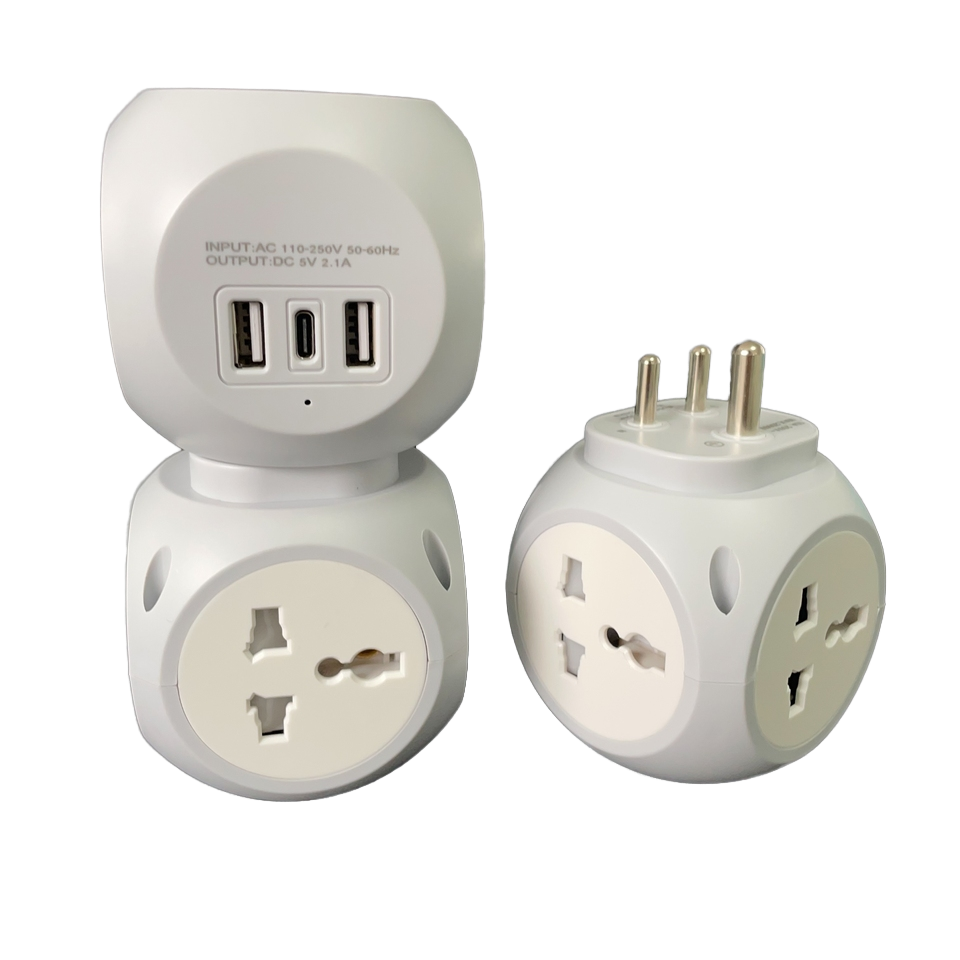
- Integrated USB-A + Type-C charging
- Space-saving 3D cube layout
- High-impact structural polycarbonate
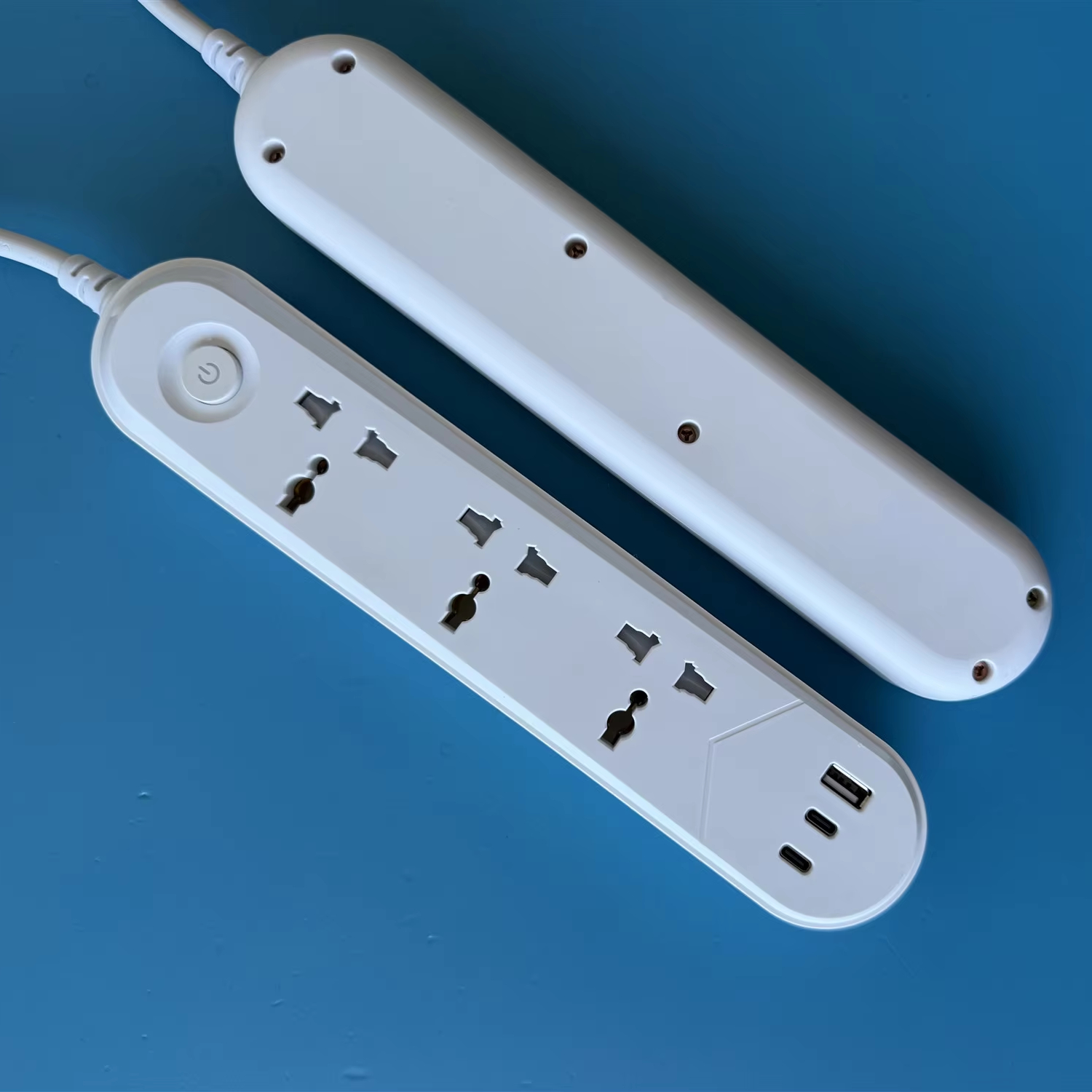
- One-piece stamped internal copper bar
- High-amperage 2C1A USB power unit
- Extended 3.0-meter heavy power lead
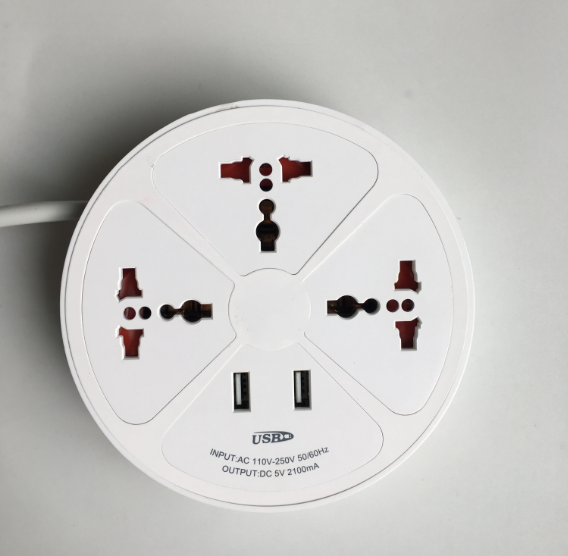
- Omnidirectional 3-way AC outlets
- Dual USB charging array (5V/2.4A)
- US/EU/UK versatile plug termination
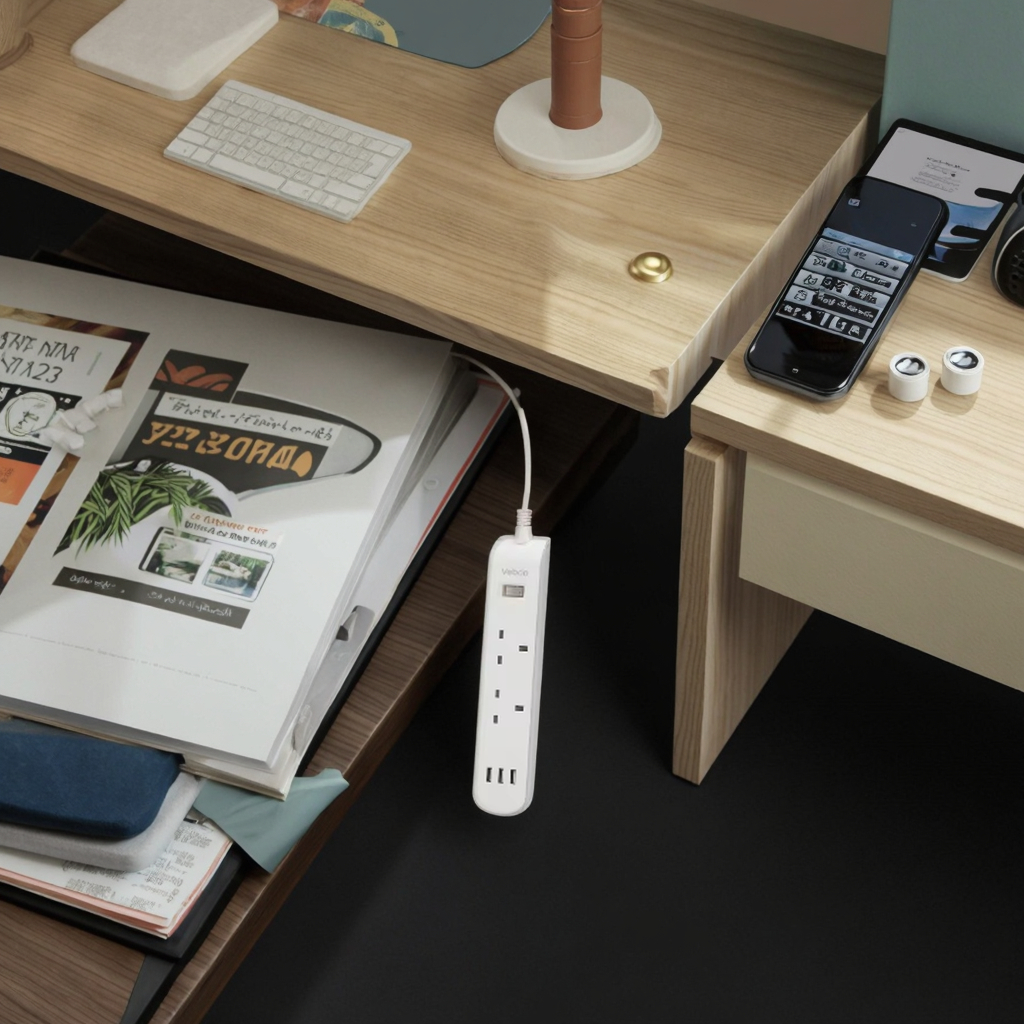
- Low-profile desk-mount design
- Dual fast-charging USB ports
- UKCA & GCC certified safety circuits
Navigating Electrical Sourcing for Modern Commercial Infrastructure in Managua
As the economic heart of Nicaragua, Managua is experiencing an unprecedented modernization across its commercial real estate, corporate enterprise facilities, luxury hospitality developments, and industrial trade zones. With business operations expanding along primary transport and commerce corridors—such as Carretera a Masaya, Villa Fontana, the Jean Paul Genie Financial District, and Zona Franca Las Mercedes—the demand for reliable, high-spec electrical power outlets and unified USB Type-C charging receptacles has accelerated exponentially.
In contemporary architectural design, the conventional AC wall outlet is no longer sufficient. Contractors, mechanical-electrical-plumbing (MEP) engineers, and commercial developers are transitioning to integrated USB C wall sockets, commercial power distribution strips, and architectural extension modules that eliminate bulky external adapters while delivering dynamic Power Delivery (USB-PD) directly to mobile workstations, tablets, POS terminals, and communication hardware. Sourcing these components requires an in-depth understanding of localized grid stability, electrical frequency variances, raw copper conductor integrity, and safety compliance.
Technical Consideration for Central American Grids: Nicaragua’s national utility grid operates at a nominal 120V AC with a 60Hz frequency (single-phase residential and commercial branch circuits). However, local distribution lines frequently experience transient surges, lightning-induced spikes, and subtle undervoltage conditions. OEM USB-C socket manufacturers must incorporate wide-band switch-mode power supply (SMPS) chips (100V–240V, 50/60Hz) paired with metal oxide varistors (MOVs) to ensure uncompromised charging performance and long-term fire safety.
Why Integrated Busbars Outperform Hand-Wired Extension Sockets
For electrical wholesalers and volume project buyers in Managua, the internal construction of extension sockets and USB-equipped wall receptacles is the single most critical determinant of lifecycle reliability. Conventional, low-cost power strips manufactured for consumer retail rely on multi-point soldered jumper wires linking phosphor bronze contact clips. Under high-load environments common to commercial setups—where air conditioning units, computer arrays, and industrial equipment share adjacent circuits—these solder joints represent distinct thermal failure points.
Leading manufacturers such as Fenvo Technology replace traditional solder chains with a one-piece stamped integrated copper busbar (as seen in our heavy-duty universal and UK-style lines). Stamped from high-purity phosphor bronze (QSn6.5-0.1), these monolithic conductive strips exhibit:
- Zero Joint Resistance: Eliminates elevated resistance and heat buildup associated with leaded or tin solder junctions.
- Mechanical Resilience: Retains consistent elastic clamping force exceeding 12,000 continuous insertion-and-withdrawal cycles without loosening.
- Superior Heat Dissipation: The structural volume of pure copper rapidly conducts thermal energy away from the USB step-down transformer circuitry, prolonging the lifespan of the internal capacitors.
Comparative Engineering Matrix: Industrial B2B Standard vs. Commodity Sockets
| Engineering Parameter | Fenvo B2B Engineering Grade | Typical Consumer Grade (Retail Market) |
|---|---|---|
| Internal AC Conductive Core | Monolithic stamped pure phosphor bronze busbar | Segmented brass clips joined by hand-soldered wires |
| Enclosure Flammability Rating | UL94-V0 / Fireproof PP & Virgin Polycarbonate (750°C glow-wire resistant) | Recycled ABS/PS plastics (ignites below 650°C) |
| USB Power Conversion Efficiency | ≥ 91% (Synchronous Rectification + GaN options) | 76% - 82% (Legacy linear or basic flyback SMPS) |
| Surge Suppression Clamping | Integrated MOV array up to 1,200 Joules (Thermal cutoff fuse) | None or bare basic spark gap (≤ 150 Joules) |
| Input Voltage Tolerance | Universal 100V – 250V AC (Automatic 50/60Hz switching) | Narrow band 110V±5% or 220V±5% fixed |
| Certifications & Traceability | TÜV Rheinland onsite verified, CE, UKCA, GCC, ISO 9001 | Self-declared unverified labeling |
Strategic Application Scenarios Across Managua's Key Sectors
Deploying commercial-grade USB C power sockets requires an alignment with the physical architecture and operating conditions of specific economic zones in Managua.
Corporate Office Towers & BPO Hubs
Facilities throughout Invercasa Business Center, Plaza Centroamérica, and modern call centers require continuous, high-duty workstation connectivity. Multi-port desktop strips featuring 20W to 45W USB-C PD directly power mobile enterprise devices, reducing workspace cable clutter and eliminating bulky wall chargers.
Industrial Free Zones (Zonas Francas)
Around Zona Franca Las Mercedes and industrial corridors along Carretera Norte, maintenance teams and equipment operators require robust, flame-retardant extension sockets and cable reels capable of withstanding dust ingress, mechanical impact, and fluctuating grid frequencies.
Hospitality & Luxury Accommodation
Hotels and corporate suites across Villa Fontana and Santo Domingo host international business travelers carrying varied plug topologies (North American NEMA, European Schuko, and UK Type G). Universal desktop sockets with multi-standard inputs and dual Type-C ports provide seamless guest convenience without adapter friction.
Emerging Technology Trends Shaping Electrical Sourcing in Nicaragua
The global electrical socket market is undergoing a rapid technological evolution driven by consumer device standards and statutory regulations. Procurement teams in Managua must account for three pivotal shifts over the current buying cycle:
1. Universal USB-C Standard Harmonization: With the global phase-out of legacy proprietary charging connectors in favor of the reversible USB Type-C standard, newly built residential complexes and commercial retrofits in Managua are mandating integrated Type-C wall terminals. Sockets offering legacy USB-A ports alone face accelerated obsolescence.
2. Adoption of Gallium Nitride (GaN) Core Architecture: Traditional silicon-based step-down transformers suffer significant heat dissipation penalties when delivering power outputs above 30W within a compact in-wall junction box. GaN semiconductor technology allows Fenvo to engineer ultra-compact, high-wattage (45W–65W) USB-C power modules that operate cooler, fit within standard shallow back-boxes, and safely charge laptops without requiring secondary transformer bricks.
3. Dynamic Power Sharing (PPS & Smart ICs): Contemporary multi-port sockets feature dynamic load negotiation. When a single phone is connected, the full rated wattage is channeled to that port. When multiple devices—such as a smartphone and a tablet—are plugged simultaneously, an onboard micro-controller recalculates resistance and distributes voltage/current smoothly to prevent device overheating.
Manufacturing Excellence: Cixi City Fenvo Technology Co., Ltd.
Selecting an overseas manufacturing partner requires verifiable credentials rather than brokerage claims. Based in Guanhaiwei Town, Cixi, Ningbo, China—the global epicenter for plug, socket, and cable reel manufacturing—Cixi City Fenvo Technology Co., Ltd. offers direct factory-level manufacturing backed by three decades of engineering experience.
Key operational capabilities that differentiate our factory include:
- TÜV Rheinland Onsite Verification: Complete physical audit covering production capacity, machinery authenticity, warehouse dimensions, and quality management protocols.
- Vertical Integration: Tooling fabrication, automated injection molding (ABS/PC housings), high-speed copper punching, SMT PCB soldering, and cable extrusion are housed under one roof, securing margin control and rapid lead times.
- Rigorous In-House Testing Laboratory: Every production batch undergoes comprehensive dielectric withstand tests (2000V/min), temperature rise checks under full rated current, plug retention force testing, and drop-impact simulation.
- Flexible International OEM/ODM Support: Full customization capabilities for cable gauge, pin configurations, housing coloration, private labeling, packaging artwork, and custom PCB firmware.
Frequently Asked Questions: Sourcing USB-C Sockets for Nicaragua
Essential guidance covering electrical standards, customs clearance, shipping logistics, and technical specifications for buyers in Managua.
Q1: Are Fenvo USB-C sockets and power strips compatible with Nicaragua’s electrical grid?
Yes. Nicaragua operates on a 120V nominal voltage at 60Hz. Fenvo power modules are engineered with broad-spectrum switch-mode transformers rated for 100V–250V at 50/60Hz. They tolerate local voltage drops and spikes without affecting the regulated 5V/9V/12V DC output of the USB-C ports.
Q2: What are the import logistics from Ningbo Port to Managua?
Shipments depart from Ningbo-Zhoushan Port (one of the world's largest container hubs, situated close to our Cixi plant). Maritime freight typically routes through the Panama Canal or directly to the Pacific coast at Puerto Corinto (Nicaragua’s primary commercial port), followed by overland transit to bonded customs warehouses in Managua.
Q3: What are the Minimum Order Quantities (MOQs) for B2B orders?
For standard stocked models or trial evaluation shipments, selected travel adapters and cube units start as low as 50 to 500 units. Customized OEM production (with custom silkscreened corporate branding, specialized cable lengths, and bespoke retail packaging) typically carries an MOQ of 1,000 to 2,000 units.
Q4: Can you manufacture American NEMA Type A & B plug configurations?
Absolutely. While our standard catalog highlights UK, EU, and Universal socket designs, our modular tooling accommodates 3-pin grounded North American NEMA 5-15 configurations, which are the standard architectural standard across residential and commercial developments in Nicaragua.
Q5: What documentation is provided for Nicaraguan customs and technical audits?
Every commercial export order is backed by official CE Declarations of Conformity (DoC), UKCA certificates where applicable, factory ISO 9001 certifications, raw material RoHS compliance reports, and third-party TÜV Rheinland inspection documentation for expedited clearance through Nicaraguan Customs (DGA).
Q6: How do your units resist Managua’s hot and humid tropical climate?
Managua experiences elevated ambient temperatures (averaging 30°C–35°C) and substantial humidity during the wet season. Fenvo units utilize UV-stabilized, high-grade polycarbonate enclosures that resist thermal deformation, paired with conformal-coated PCB components to prevent electrolytic corrosion or short circuits caused by moisture ingress.
Ready to Modernize Your Electrical Inventory or Project Specs?
Connect with our technical engineering sales division for detailed product catalogs, wholesale B2B price lists, and customized OEM/ODM project quotations tailored to the Nicaraguan market.