High-Spec Flame Retardant Models Built for B2B Importers
Direct from Cixi, Ningbo’s verified electrical manufacturing hub. Engineered with flame-retardant housings up to 750°C/850°C glow-wire endurance, integrated pure copper strips, and high-efficiency fast USB charging.
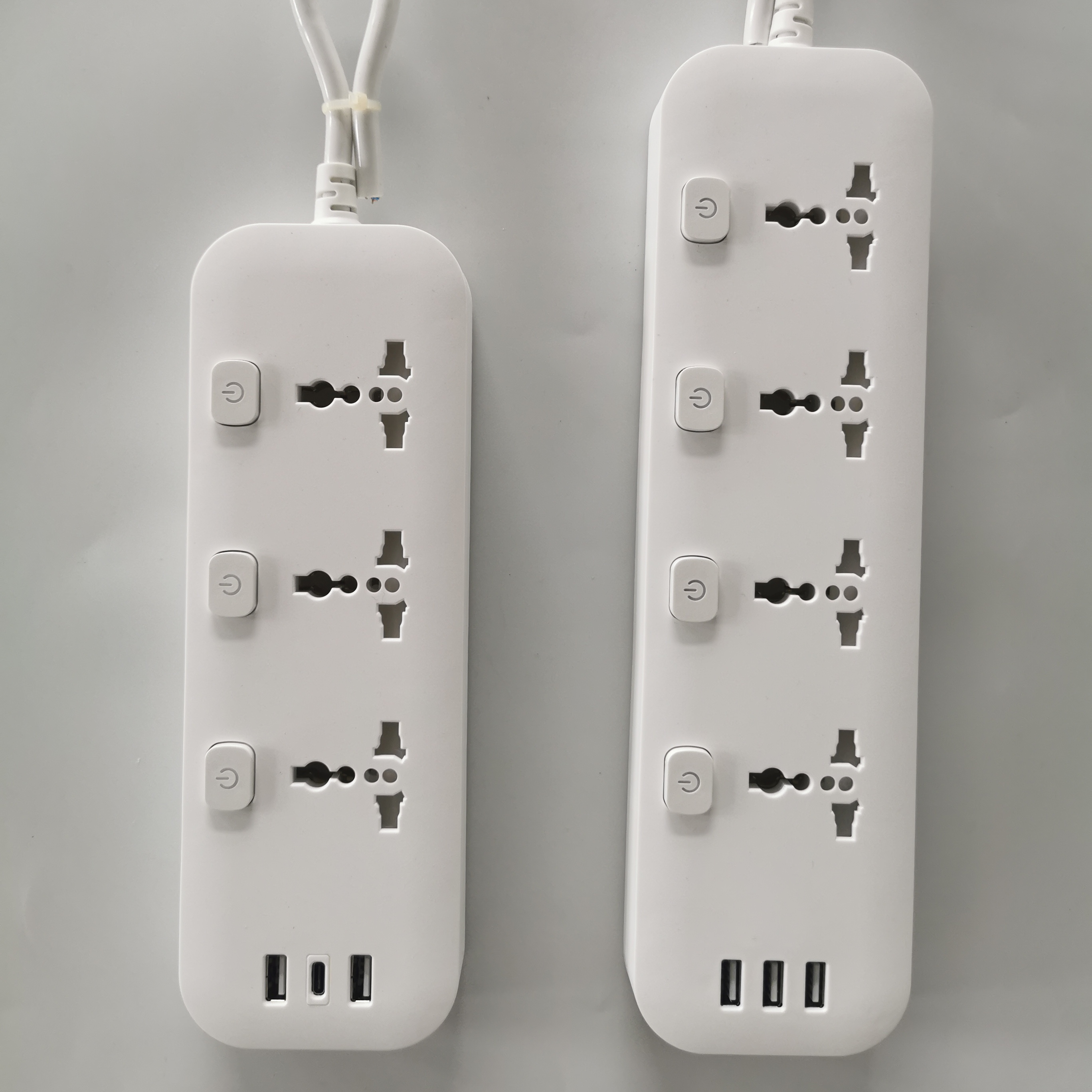
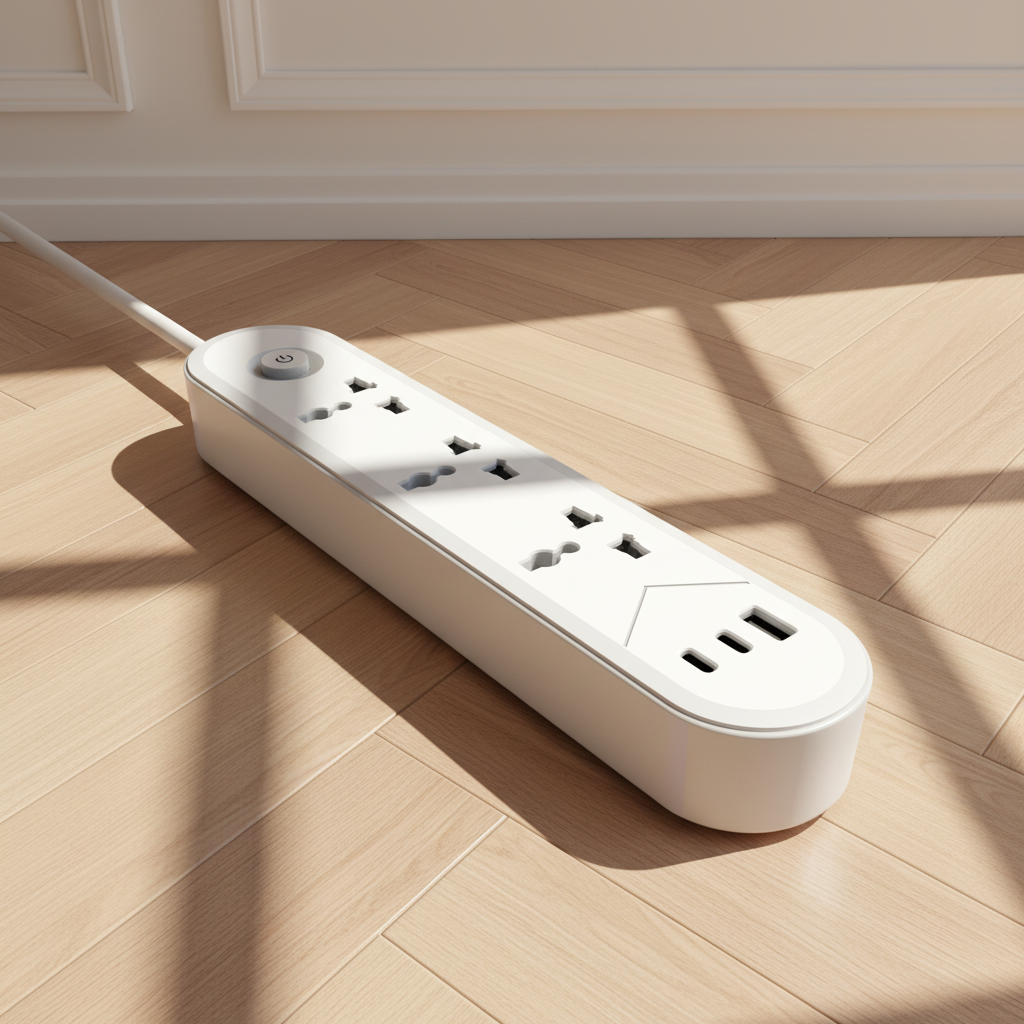
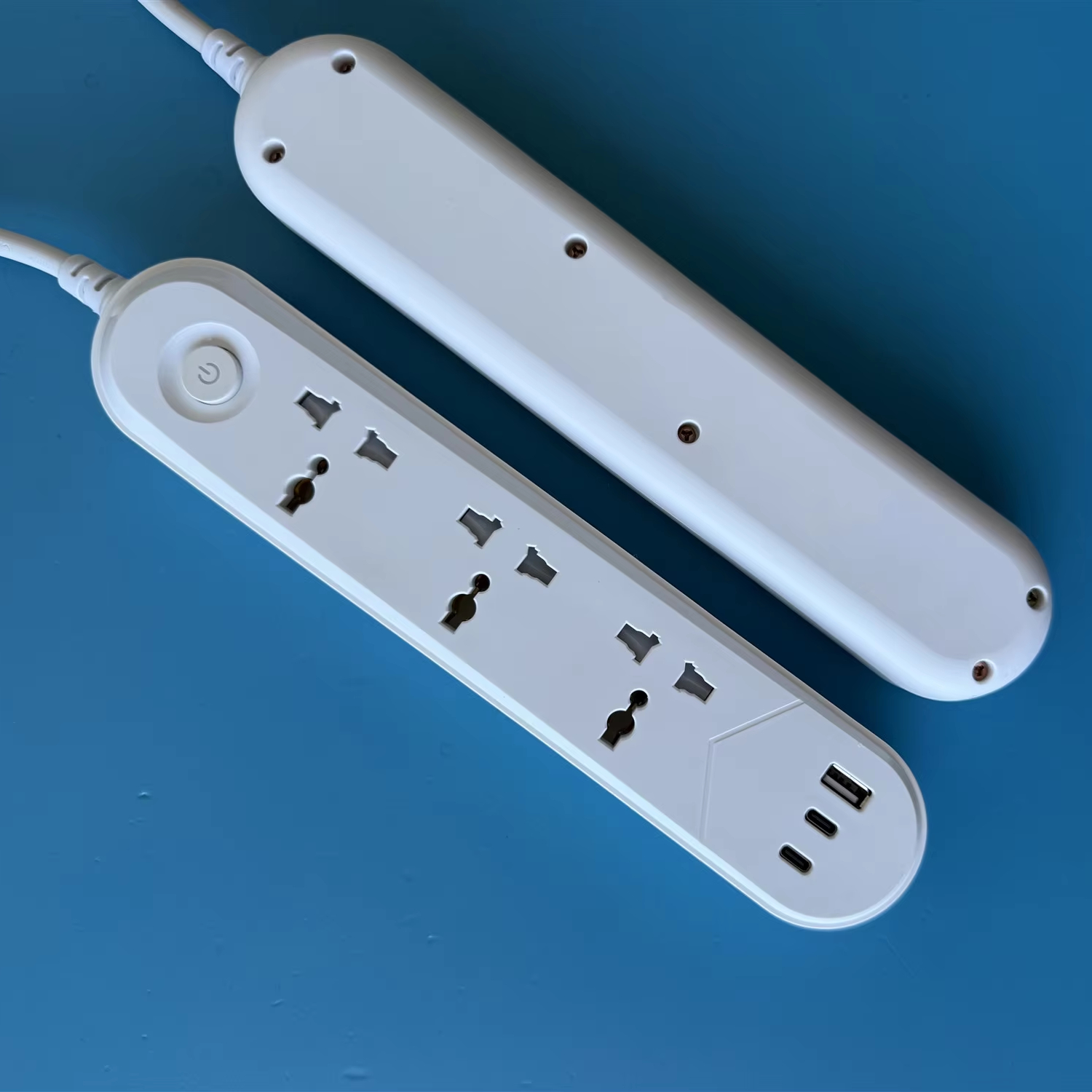
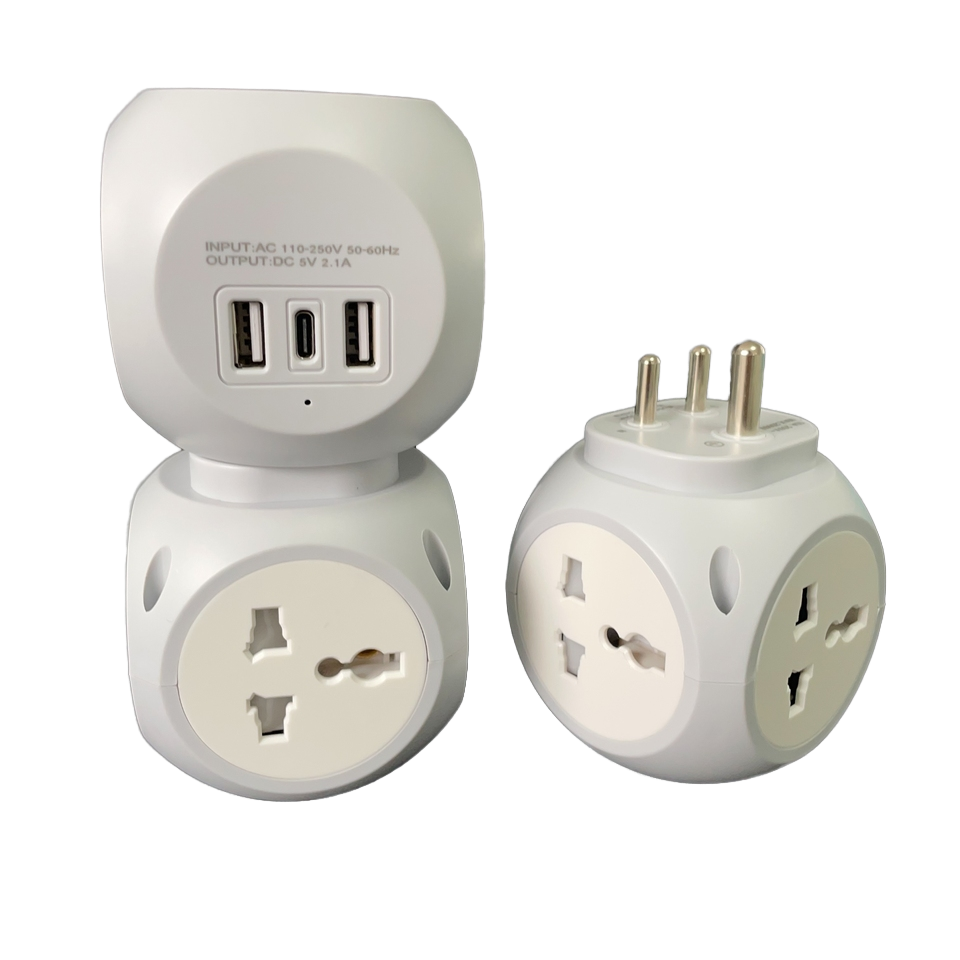
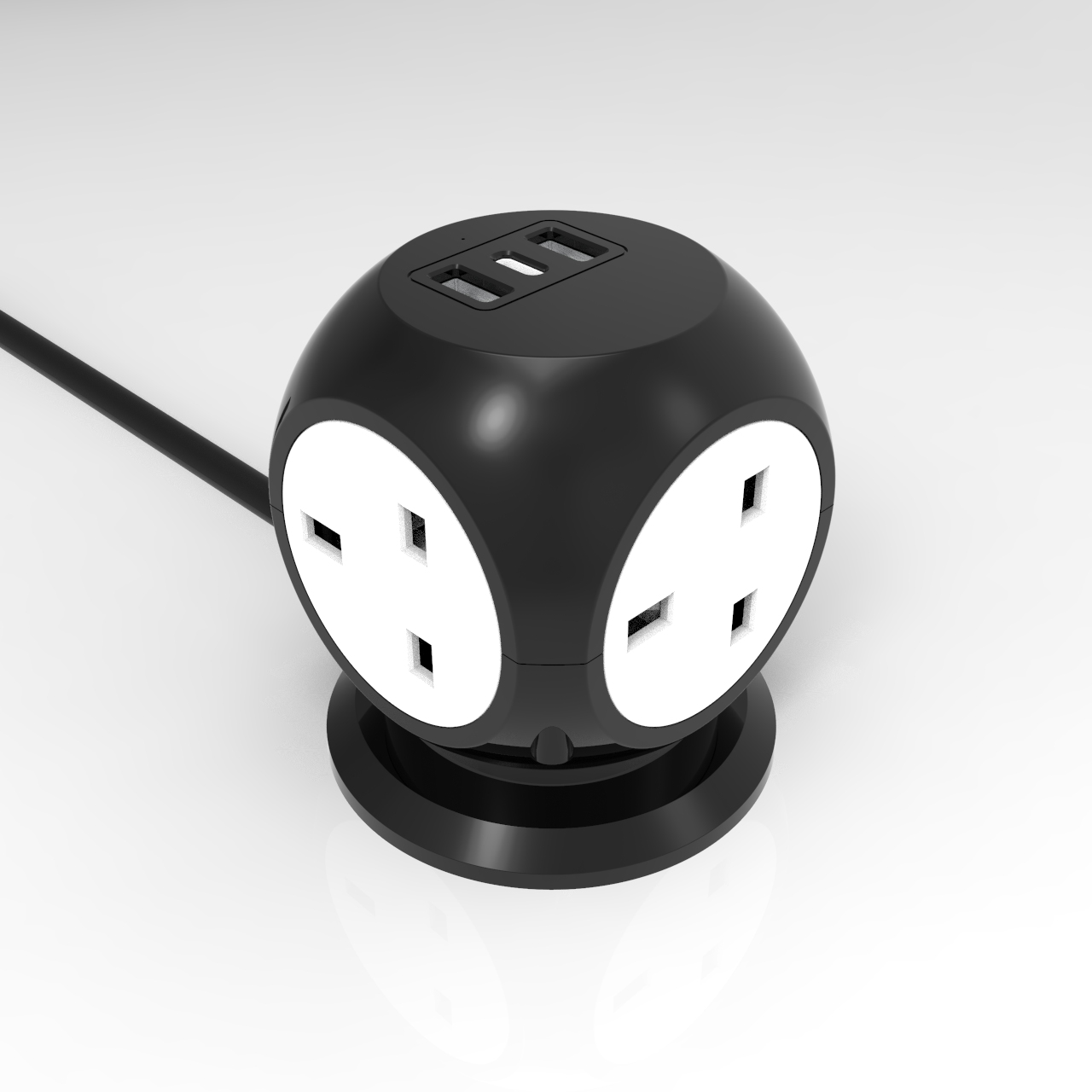
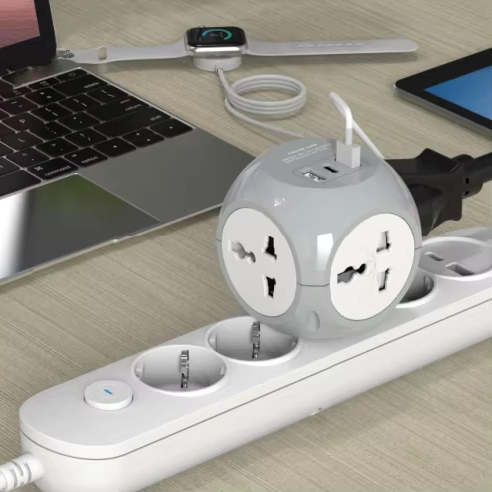
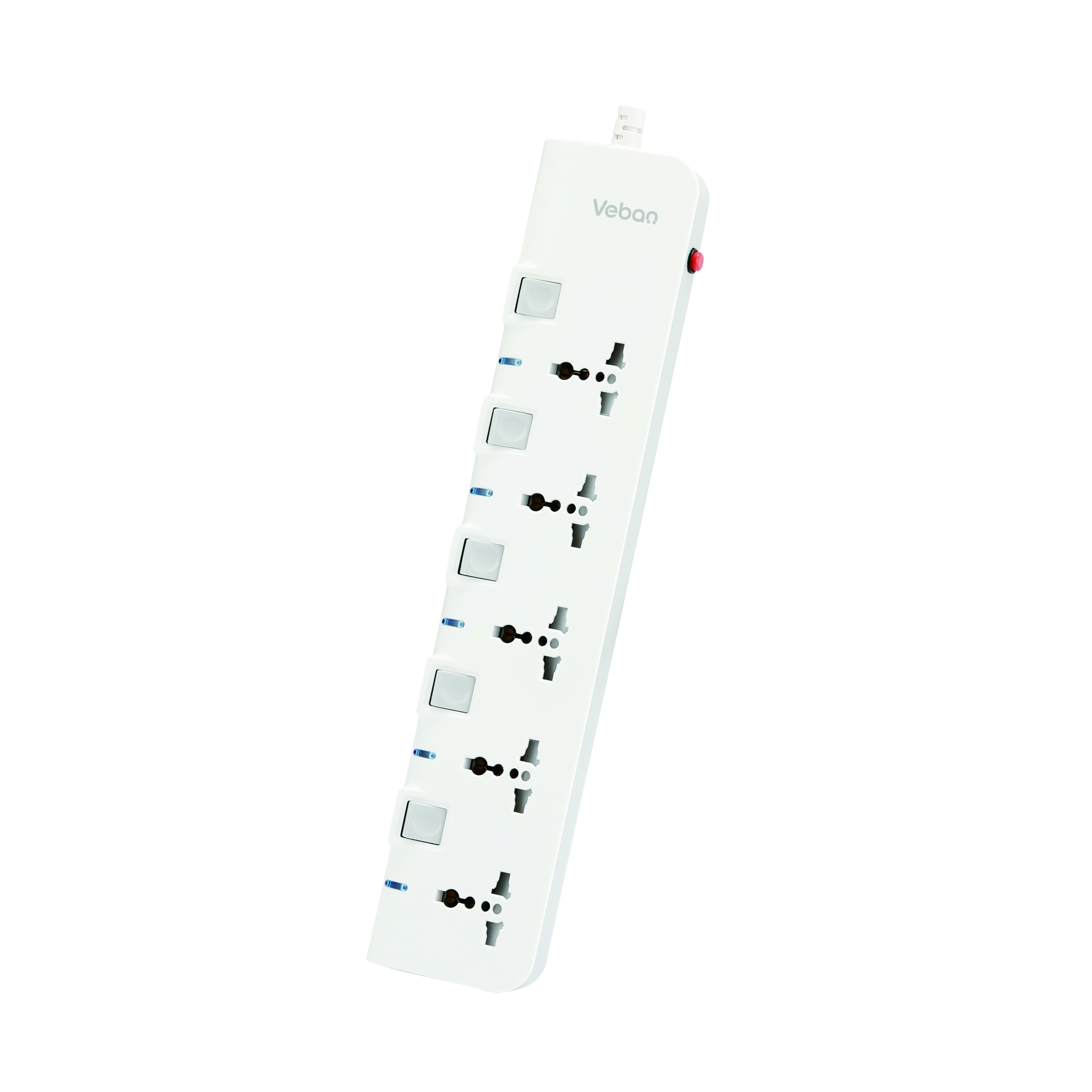
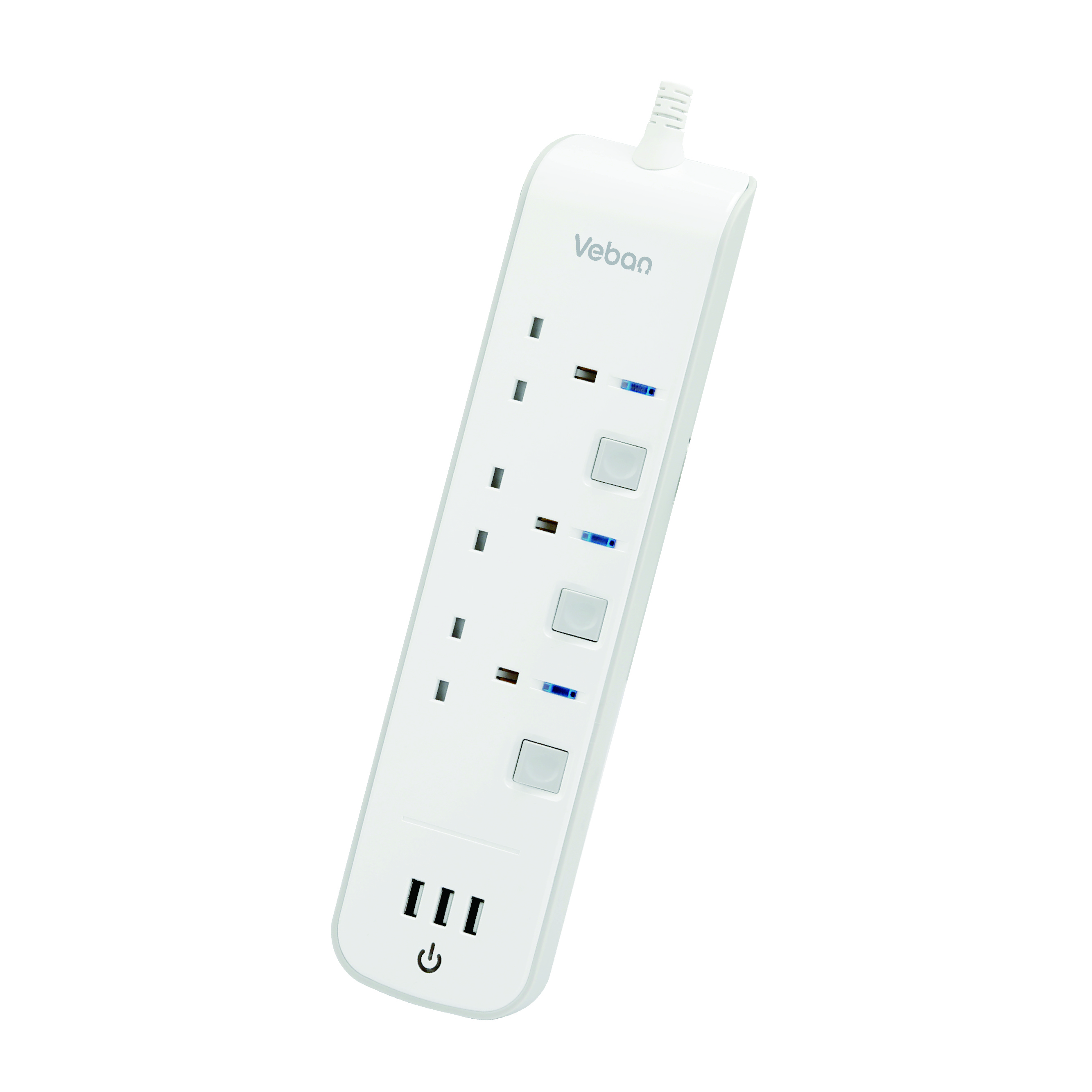
Need Custom American (NEMA 5-15R) or Universal Runs for the NYC Market?
We configure OEM conductor gauges (14 AWG / 12 AWG SJT), UL 94 V-0 flame-retardant resins, integrated MOVs, and custom cord lengths directly for overseas brand distributors and procurement contracts.
Engineering Flame-Retardant Relocatable Power Taps for New York’s Built Environment
Navigating the intersection of Title 27 of the NYC Administrative Code, NFPA 70 National Electrical Code (NEC), and UL 94 / UL 1363 testing benchmarks.
Sourcing relocatable power taps (RPTs) and multi-outlet extension assemblies for the New York commercial and residential real estate market demands a degree of technical rigor far surpassing general consumer electronics. New York City enforces one of the most uncompromising fire and electrical safety regimes on earth. Operating under the New York City Electrical Code (NYCEC)—which amends the National Electrical Code (NFPA 70)—alongside stringent scrutiny from the Fire Department of the City of New York (FDNY), property management enterprises, Class-A commercial developers, and institutional facilities cannot afford the severe liability associated with substandard electrical accessories.
In high-density metropolitan structures, electrical arcing, terminal thermal runaway, and socket contact fatigue represent primary vectors for structural fires. When low-grade thermoplastic enclosures (such as untreated recycled ABS or low-grade styrene) are exposed to sustained glowing contacts or internal PCB thermal breakdowns, they combust rapidly, generating toxic chlorinated halogens and accelerating flame progression. China's premier export-grade manufacturing plants, anchored in specialized precision clusters like Cixi and Ningbo, have comprehensively retooled their operations to meet and exceed these North American metropolitan safety thresholds.
The Triad of Flame Retardance: Chemical, Structural, and Metallurgy
Achieving authentic, repeatable fire safety across millions of production units requires a synchronized three-tier manufacturing architecture:
1. Polymeric Formulation (UL 94 V-0 vs. Glow-Wire 850°C): Standard consumer power sockets typically rely on general-purpose polypropylene (PP) or secondary recycled acrylonitrile butadiene styrene (ABS). While cost-effective, these polymers possess a low Limiting Oxygen Index (LOI) around 17-18%, meaning they ignite effortlessly in normal atmospheric conditions and support ongoing combustion with continuous flaming drips. Export-grade manufacturers serving New York commercial distributors formulate housings utilizing virgin polycarbonate (PC) or reinforced fire-retardant PP alloyed with non-halogenated phosphorous-nitrogen flame retardants. Under the UL 94 vertical burning test, test specimens must self-extinguish within 10 seconds of flame removal without producing flaming particulate drips (V-0 rating). Concurrently, during the IEC 60695-2-12 Glow Wire Flammability Index test, the polymeric formulation must withstand direct contact with an electrically heated glowing wire loop at 750°C to 850°C without igniting or spreading flame to underlying tissue paper.
2. Continuous Integrated Copper Strip Punching: The Achilles' heel of conventional power strips is point-to-point manual copper wire soldering. Hand-soldered joints within power strip interiors are exceptionally susceptible to cold joints, vibrational detachment during transoceanic shipping, and localized resistance spikes over prolonged 13A-15A loading cycles. High-capacity Tier-1 factories in Cixi replace wire harnesses with high-speed automated progressive stamping presses. A continuous, unified strip of phosphor bronze (QSn6.5-0.1 or high-conductivity H62/H65 brass) is precision-stamped into an integrated three-dimensional conductor bar. This structure eliminates internal solder joints entirely, guarantees consistent contact spring pressure (exceeding 5,000 to 10,000 mating cycles without plastic deformation), and reduces internal contact resistance by over 45%, preventing localized Joule heating before it initiates.
3. Thermal Fuse Overload and Surge Dissipation Topology: For power strips deployed across tech-dense commercial offices in Manhattan and Brooklyn, integrated surge protection circuitry (metal oxide varistors or MOVs) must be matched with thermal cutoffs. Under sustained overvoltage or repetitive transient spikes, MOVs degrade, transition to a low-impedance state, and generate catastrophic internal heat. Advanced OEM designs integrate thermal disconnect fuses directly adjacent to each MOV array, permanently severing the circuit from the AC line prior to the varistor's casing reaching ignition temperature.
Localized Application Scenarios Across the NYC Metropolitan Area
From Class-A midtown corporate office floorplates to century-old Brooklyn residential retrofits, engineering parameters must adapt to distinct local building infrastructures.
Manhattan Class-A Commercial & Financial Workstations
High-density trading floors, corporate towers in Midtown and the Financial District, and law firm workstations feature extensive IT hardware arrays. These environments mandate UL 1363-compliant relocatable power taps equipped with integrated circuit breakers (15A 125V), heavy-duty 14 AWG SJT shielded power cables, and certified V-0 self-extinguishing housings to eliminate electrical interruption and localized fire hazards within enclosed desk troughs.
Historic Pre-War Brownstone & Multi-Family Upgrades
Thousands of residential buildings across Brooklyn (Park Slope, Brooklyn Heights) and Manhattan (Upper West Side, Harlem) feature aging legacy electrical infrastructures with limited wall receptacles. Residents routinely daisy-chain extension cords—a major FDNY violation. High-durability flame-retardant power strips with built-in thermal cut-offs and tamper-resistant child safety shutters provide a vital buffer against overloaded sub-branch circuits.
Silicon Alley Incubators & Co-Working Hubs
Creative agencies, venture-backed startups, and co-working environments in Flatiron, SoHo, and DUMBO demand flexible power distribution. Desktop power cubes and multi-outlet strips integrating high-wattage GaN USB-C Power Delivery (20W to 65W) permit direct laptop and mobile powering without sprawling AC adapters, preserving aesthetics while maintaining strict commercial flame-retardant integrity.
Metropolitan Healthcare, Clinics & Laboratory Facilities
Outpatient facilities, diagnostic laboratories, and biotechnology hubs affiliated with institutions like NYU Langone and Mount Sinai require pristine electromagnetic containment and zero-melt housing safety. Strips deployed in administrative and non-patient-care zones require rugged, flame-retardant PC construction that resists harsh chemical cleaning solvents and continuous 24/7 duty cycles.
University Dormitories & Educational Campuses
Student housing at Columbia, NYU, Fordham, and Cornell Tech enforces zero-tolerance residential fire guidelines. Non-surge-protected extension cords or uncertified multi-taps are confiscated during routine resident director inspections. Factory-certified flame-retardant strips featuring heavy-duty cordage, integrated reset switches, and individual port protections directly meet campus residential safety charters.
Hospitality & Boutique Hotel Guest Suites
Luxury and boutique hotels throughout Manhattan, Long Island City, and Williamsburg are modernizing guest bedside and desk connectivity. Power modules must deliver aesthetic finesse, anti-arcing child-safety shutters, compact cube or flat-backed profiles, and uncompromised UL 94 V-0 flame ratings to satisfy the aggressive underwriting standards of commercial hospitality insurance carriers.
Cross-Market Regulatory Benchmark for B2B Electrical Importers
A rigorous engineering comparison between North American (New York/NEC) procurement mandates and European/International baselines.
| Evaluation Parameter | New York City / North America (UL / NEC) | European Union (CE / LVD / RoHS) | Great Britain & Gulf (UKCA / GCC) | Fenvo China Factory Standard |
|---|---|---|---|---|
| Enclosure Flammability Rating | UL 94 V-0 or V-1; vertical flame self-extinguishing in <10s; zero flaming drips. | Glow Wire Test (IEC 60695-2-11) at 750°C; 850°C for live contact retaining parts. | BS 1363-2 clause 23; glow wire test at 750°C and needle-flame flammability validation. | Exceeds Norm Virgin PC/PP resin formulation qualified to UL 94 V-0 and 850°C GWFI. |
| Conductor & Busbar Topology | Integrated busbars or stranded copper conductors; min. 14 AWG for 15A rating; UL 62 cordage. | Harmonized H05VV-F cross-section (min 3×1.5 mm² for 16A Schuko extension leads). | BS 6500 / EN 50525 cable; 3×1.25 mm² or 3×1.5 mm²; continuous internal copper stamping. | Verified Continuous progressive-stamped phosphor bronze busbars; zero hand soldering. |
| Surge & Overload Protection | UL 1449 4th Ed. for SPDs; thermal disconnect mechanism; UL 1077 or 1363 overcurrent trip. | EN 61643-11 Class III SPD; thermal cutout; integrated bipolar disconnect switches. | BS 1363 fused plug (BS 1362 13A ceramic fuse); supplementary thermal cutout switches. | Standard Option Heavy-duty MOV array with dedicated thermal fuses and manual-reset rockers. |
| Mechanical & Mating Durability | UL 1363 retention force test; minimum withdrawal force sustained after 500 cycles. | IEC 60884-1 clause 21; 10,000 mechanical stroke cycles under active rated load. | BS 1363-2 clause 16; 15,000 multi-position insertion cycles with shutter endurance. | High Longevity High-elasticity alloy retaining >1.5N contact pressure through 10,000+ insertions. |
| Environmental & Off-Gassing | RoHS / California Prop 65; low smoke toxicity considerations in high-occupancy spaces. | EU RoHS Directive 2011/65/EU and REACH (EC 1907/2006); heavy-metal and halogen controls. | UK RoHS; GSO technical regulation on hazardous chemical substance restriction. | Eco-Compliant Halogen-free, eco-engineered flame-retardant additives compliant with RoHS & REACH. |
Macro Development Trends Shaping NYC Electrical Sourcing
The electrical accessory sector is undergoing a profound shift toward solid-state miniaturization, integrated gallium nitride electronics, and smart power telemetry.
GaN Semiconductor Integration
New York commercial workstations are abandoning bulky wall warts. Modern power strips embed high-efficiency Gallium Nitride (GaN) fast-charging modules capable of outputting 20W, 45W, or 65W directly via USB-C PD. GaN's 95%+ conversion efficiency minimizes waste heat within flame-retardant enclosures, keeping internal operational temperatures well below thermoplastic heat deflection thresholds.
Halogen-Free Eco Flame Retardants
Under modern corporate ESG mandates and NYC Green Codes, toxic brominated flame retardants (BFRs) are being phased out. Importers are demanding phosphorus-nitrogen and metal hydroxide mineral formulations that do not release corrosive hydrogen bromide or dioxins in the event of thermal exposure, protecting both human lungs and delicate computer microcircuits from corrosive soot.
IoT Sub-Metering & Remote Cut-Off
With New York City's Local Law 97 imposing aggressive carbon emissions and energy caps on large buildings, corporate tenants are adopting smart power strips. These devices track per-port kilowatt-hour consumption, identify ghost loads, and allow facilities managers to program centralized evening cut-offs via Zigbee, Matter, or Wi-Fi architectures without sacrificing firebreak security.
3D Geometric Anti-Block Form Factors
Linear power strips waste up to 40% of their outlets due to bulky transformer plugs blocking adjacent sockets. The explosive adoption of Rubik’s cube, multi-faceted desktop towers, and angled multi-taps resolves this spatial friction in space-constrained Manhattan apartments and crowded co-working benching layouts, providing multi-directional AC and DC connectivity in a microscopic footprint.
Why Tier-1 Global Importers Partner with Fenvo Technology
A direct, vertically integrated manufacturing powerhouse located in Daqishan Village, Guanhaiwei Town, Cixi, Ningbo—China’s epicenter for electrical connectivity hardware.
Eliminating Middleman Risk with True In-House Fabrication
Cixi City Fenvo Technology Co., Ltd. is not an export trading intermediary. Established in 1995, we operate an integrated 4,587 square meter manufacturing campus dedicated to end-to-end tooling, injection molding, metal stamping, and testing. Verified onsite by TÜV Rheinland, we manage an unbroken chain of quality from virgin polymer pellets to export-ready FOB container packing.
- In-House Tooling & Injection: 15+ high-tonnage precision injection machines dedicated to fire-retardant PC and PP formulations, maintaining tight mechanical tolerances.
- Progressive Copper Punching: High-speed progressive stamping lines producing one-piece continuous phosphor bronze busbars with zero failure-prone internal solder wires.
- Onsite Electrical Testing Lab: Complete in-house experimental rigs for glow-wire combustion tests, dielectric withstand voltage, temperature rise under full load, and mechanical plug retention endurance.
- Global Regulatory Fluency: 29 years of export operations spanning CE, UKCA, GCC, and North American OEM configurations, delivering flawless compliance documents for customs clearance.
Fenvo Operational Benchmarks
Port Advantage: Located in Cixi, Ningbo, our facility is within a 90-minute transport radius of the Ningbo-Zhoushan Port—the world’s busiest container hub—ensuring expedited container drayage and rapid sailings to the Port of New York and New Jersey.
Frequently Asked Questions for New York Importers & Distributors
Addressing the core technical, regulatory, logistical, and commercial inquiries encountered during cross-border procurement.
What specific flammability standard should NYC power strips comply with?
For North American and NYC municipal markets, the baseline standard for thermoplastic enclosures is UL 94 V-0 or V-1, evaluated alongside UL 1363 (Standard for Relocatable Power Taps) and UL 1449 (for surge units). Under UL 94 V-0, the plastic resin must extinguish within 10 seconds of flame application with no burning particulate drips. Fenvo formulates housing shells with high-temperature virgin polycarbonate (PC) or flame-retarded polypropylene (PP) that easily pass both UL 94 V-0 and the 750°C/850°C Glow Wire Flammability Index (GWFI).
Can Fenvo manufacture custom American Type (NEMA 5-15R) sockets with OEM branding?
Yes. Although Fenvo is widely renowned for BS 1363 UK, Schuko EU, and multi-socket universal power leads, our factory engineering division provides turnkey OEM/ODM services for American NEMA 5-15R standard power strips. We provide customized tooling, 14 AWG / 12 AWG SJT heavy-duty vinyl cords, US 3-prong grounded plugs, private-label pad printing, laser etching, and retail box packaging tailored directly for US brand holders.
Why is internal stamped copper bar superior to traditional wire soldering?
Traditional multi-outlet strips rely on dozens of individual soldered wires connecting socket terminals. Over time, thermal cycling, heavy currents (13A–15A), and mechanical vibration can crack solder joints, creating high-resistance hot spots that ignite fires. Fenvo utilizes progressive high-speed dies to punch integrated phosphor bronze busbars. This monolithic internal structure eliminates solder failure points, guarantees uniform contact resistance, and prevents arcing under continuous high loads.
What is the standard lead time and shipping route to the Port of New York and New Jersey?
Typical mass-production lead times range from 25 to 35 days post sample and deposit approval. Ocean transit from Ningbo Port to the Port of New York and New Jersey (PNYNJ) via the Panama Canal or Suez/Cape routes averages 28 to 35 days depending on the ocean carrier service (e.g., COSCO, ONE, Evergreen). We deliver full FOB Ningbo container loading, verified export paperwork, and coordinate with your nominated US customs brokers.
What Minimum Order Quantities (MOQs) apply for custom OEM orders?
MOQ varies by product complexity. Stock cube adapters and standard travel adapters start as low as 5 to 500 units. For full OEM custom branding (custom pantone resin colors, private label packaging, silk-screened logos, and customized cord lengths) on multi-outlet power strips, baseline MOQs typically start at 1,000 to 2,000 units. We accommodate tiered pilot runs for new market entrants validating private brand lines.
Are Fenvo power strips compliant with child safety and anti-shock regulations?
Yes. All of our commercial and residential socket products incorporate built-in child-resistant safety shutters. These mechanical shutters require simultaneous two-pin engagement to expose live contacts, preventing accidental electrocution if children attempt to insert foreign metallic objects like hairpins or paperclips into a single receptacle slot—meeting high-occupancy residential safety criteria.
How does the factory manage quality control across mass production batches?
Fenvo operates an ISO 9001 certified quality management system. Quality assurance operates across four discrete stages: Incoming Quality Control (IQC) for virgin copper and plastic pellets; In-Process Quality Control (IPQC) monitoring injection molding and metal stamping precision; 100% End-of-Line Electrical Testing verifying dielectric ground continuity, short circuits, and polarity; and Outgoing Quality Control (OQC) sampling prior to container release.
Can Fenvo support international corporate accounts in NYC needing multi-standard strips?
Absolutely. New York is home to thousands of multinational corporations, diplomatic missions, and international financial institutions that utilize non-US IT and laboratory apparatus. We provide universal outlet power strips capable of receiving UK (BS 1363), European (Schuko), and US plugs within a unified flame-retardant terminal block, fitted with appropriate circuit breakers and input cords.
Ready to Solidify Your Power Strip Supply Chain?
Connect directly with our engineering and export sales department. We provide DFM analysis, BOM cost breakdowns, regulatory compliance advice, and rapid sample prototyping within 24 business hours.