Engineered Multi-Socket Assemblies for Commercial & Residential Deployment
Precision tooling, heavy-duty pure copper internal conductors, and flame-retardant enclosures configured to serve procurement channels across Harju County and the wider Baltic corridor.
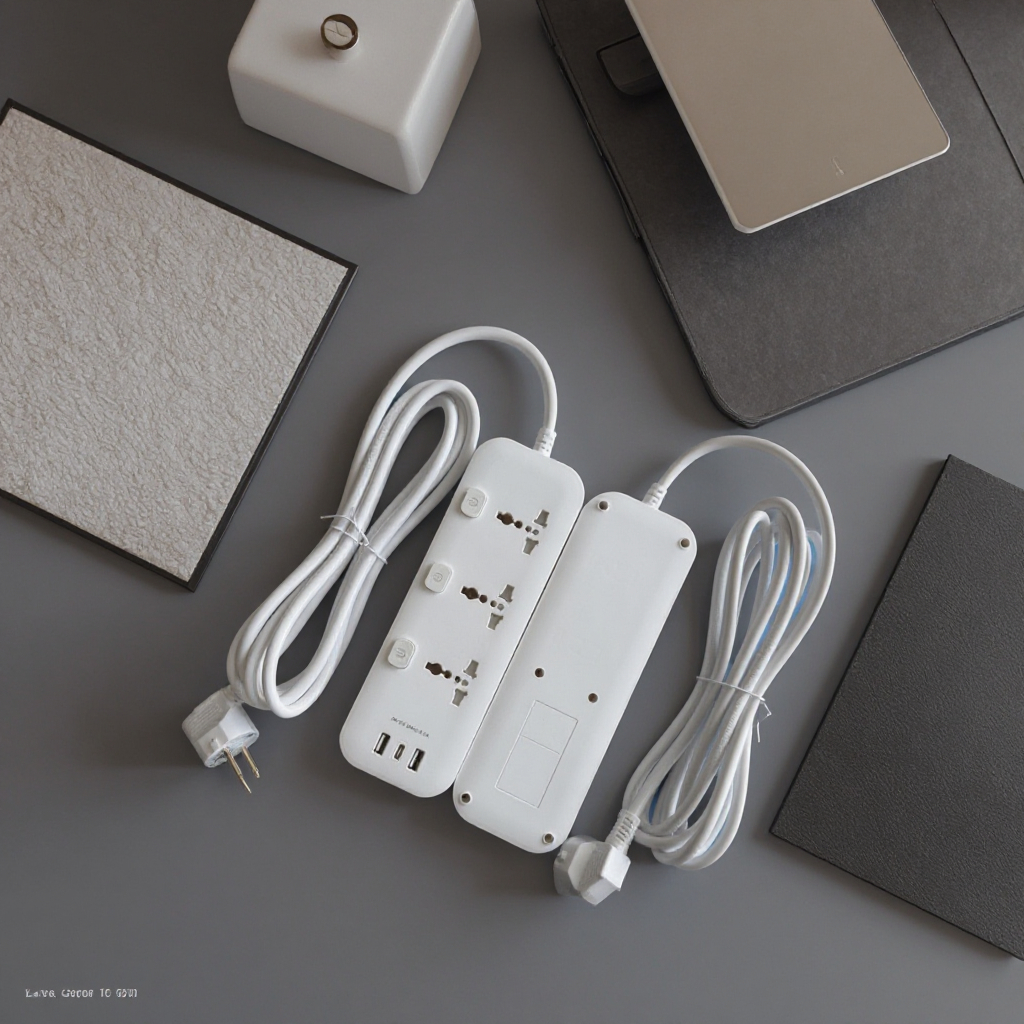
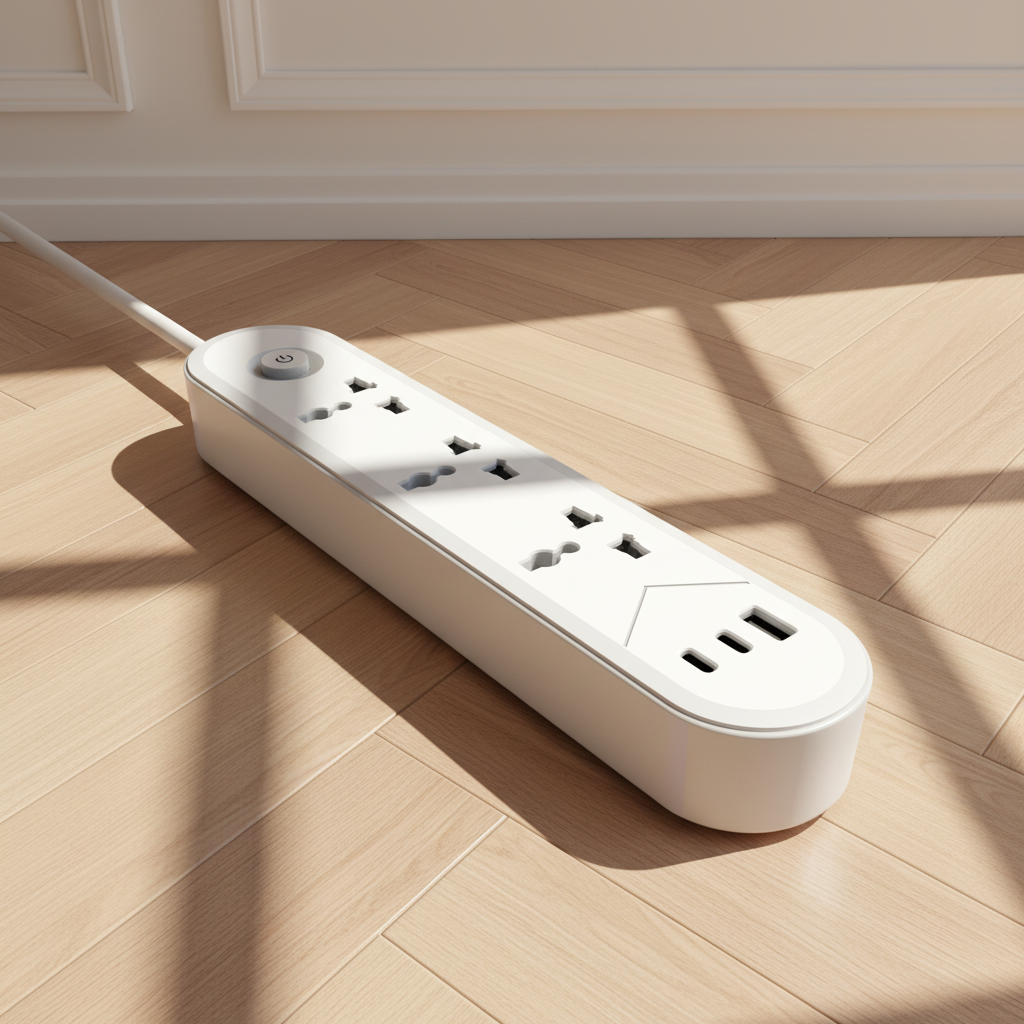
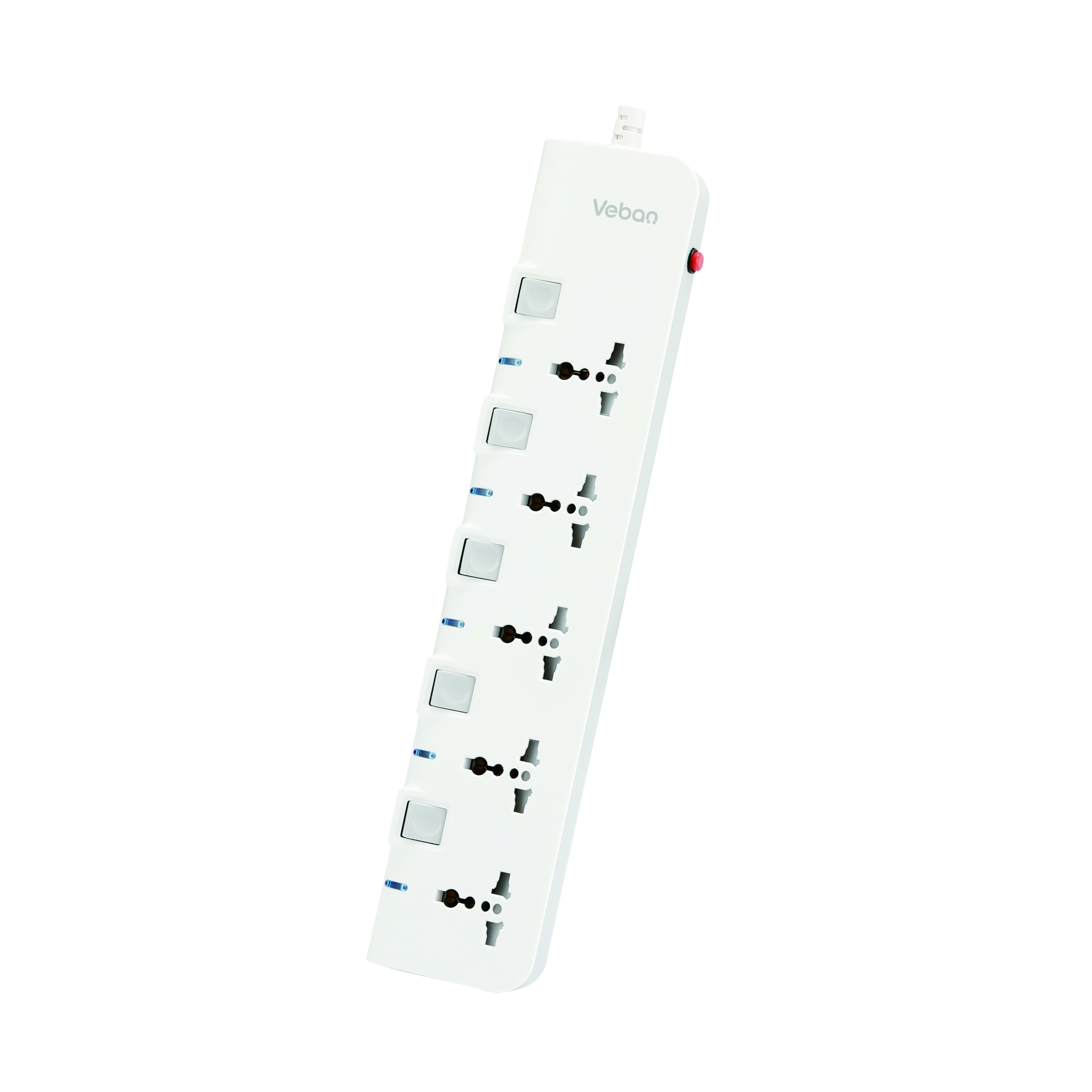
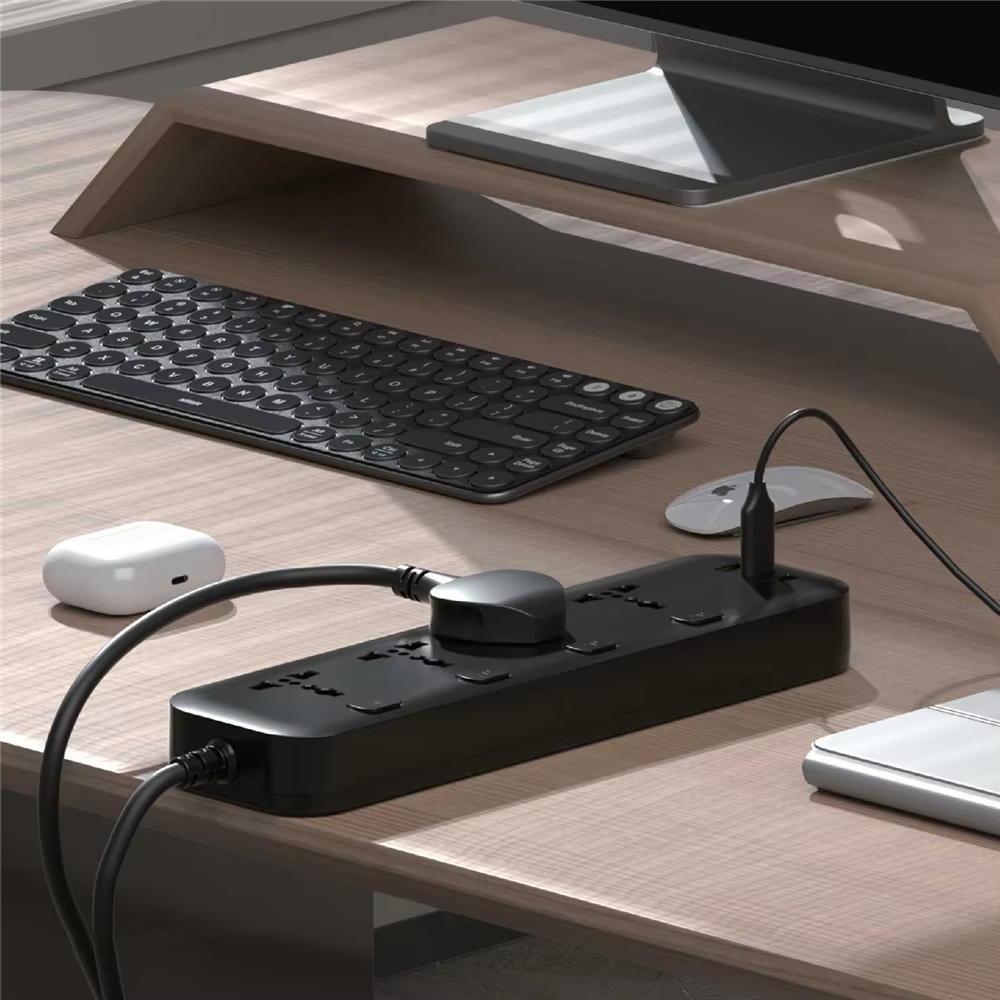
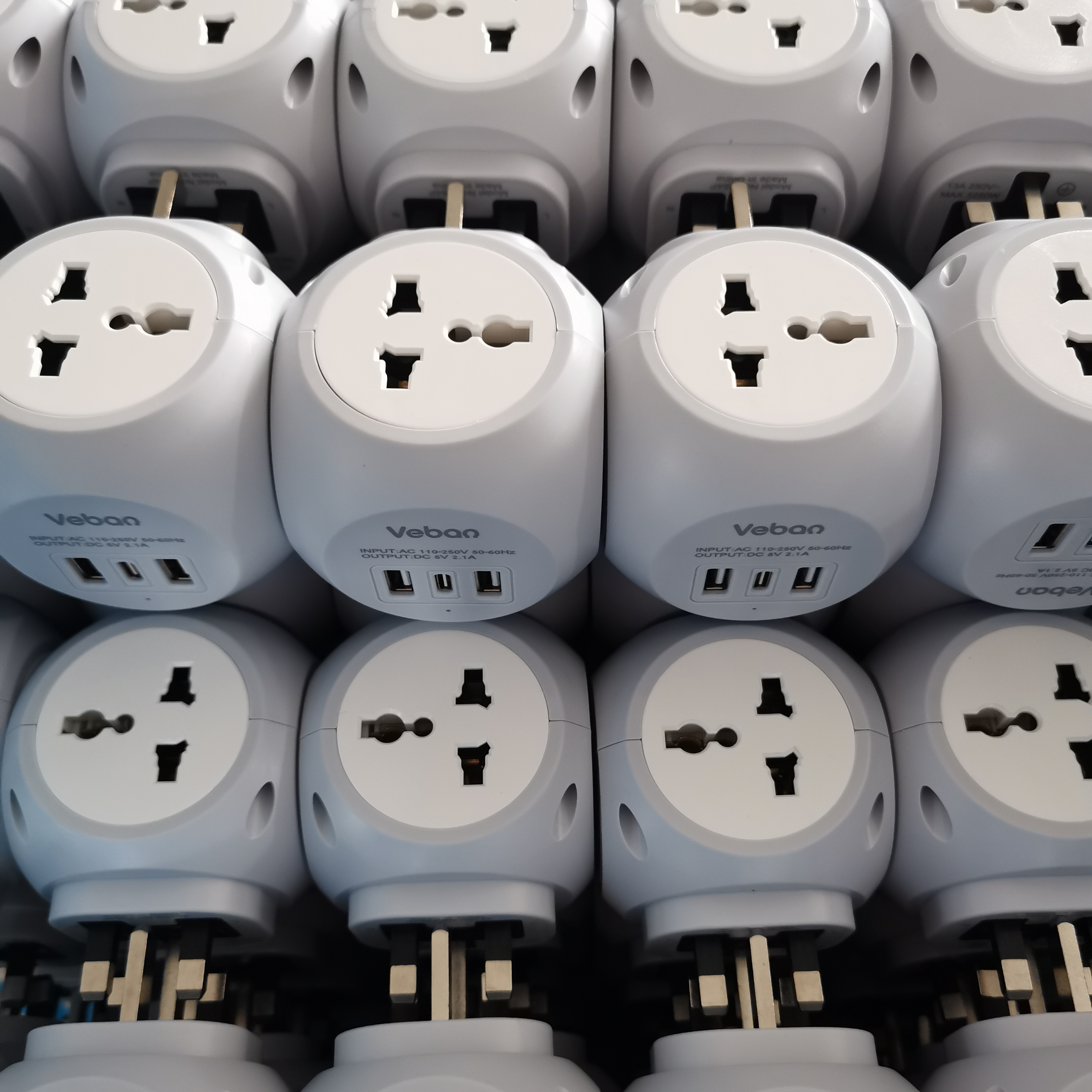
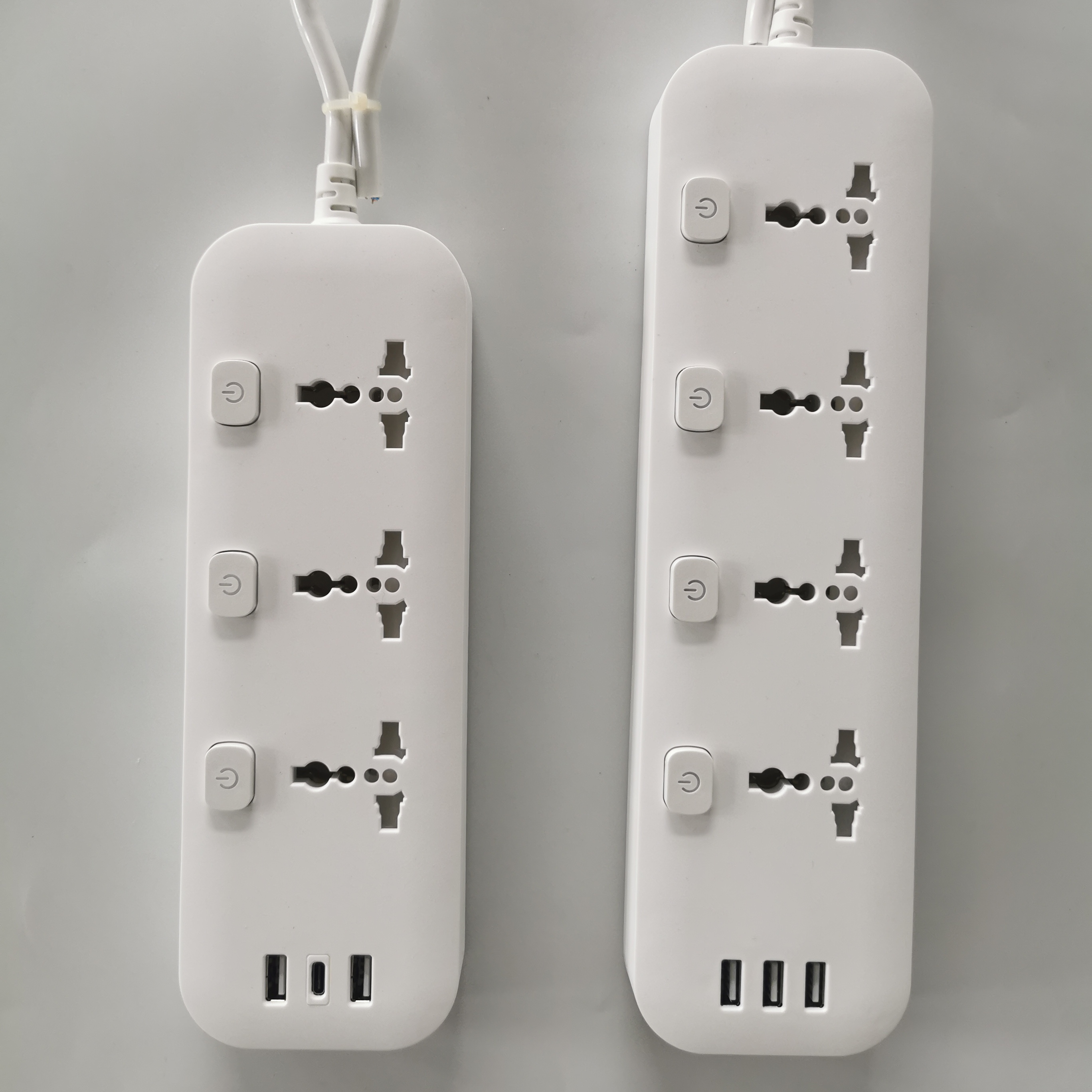
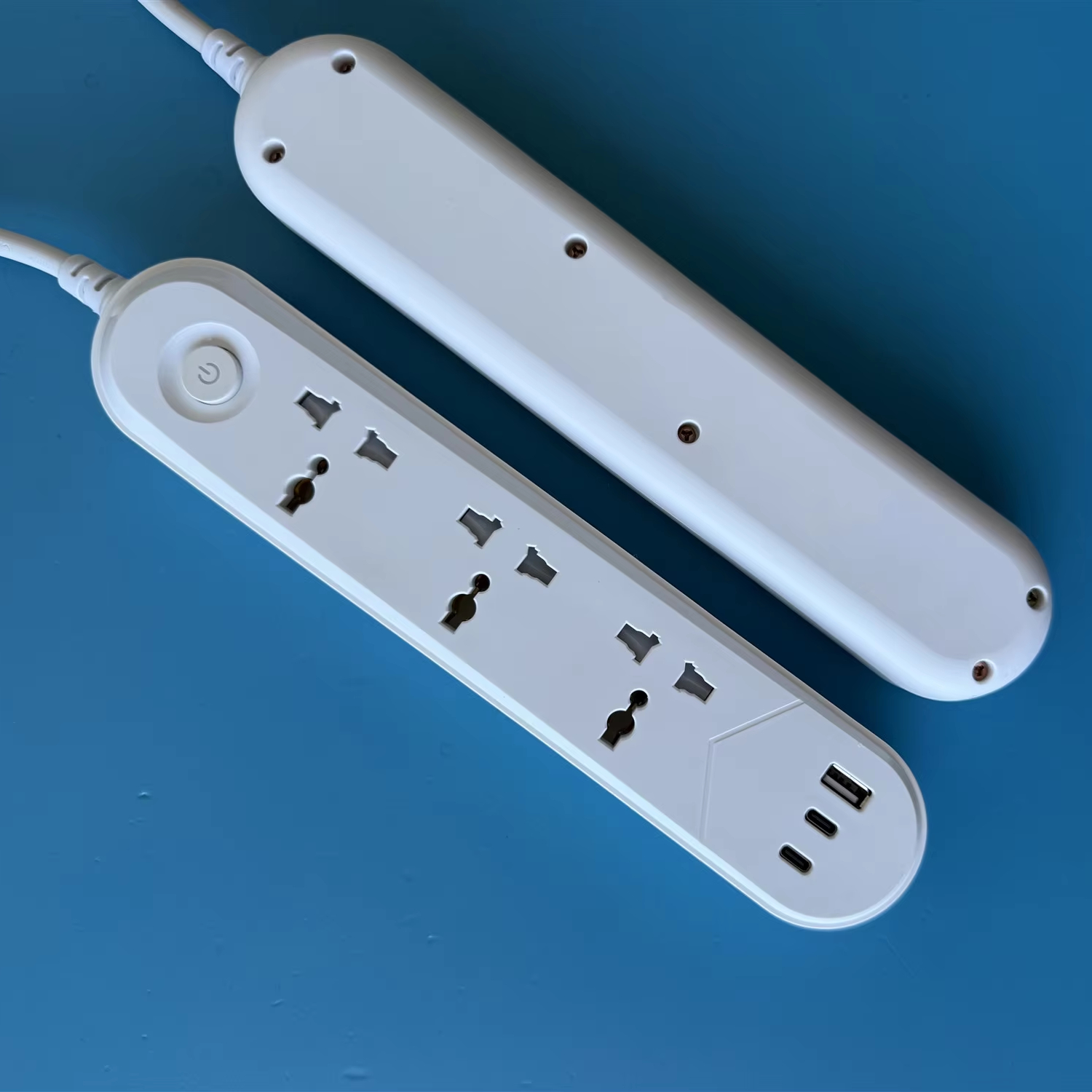
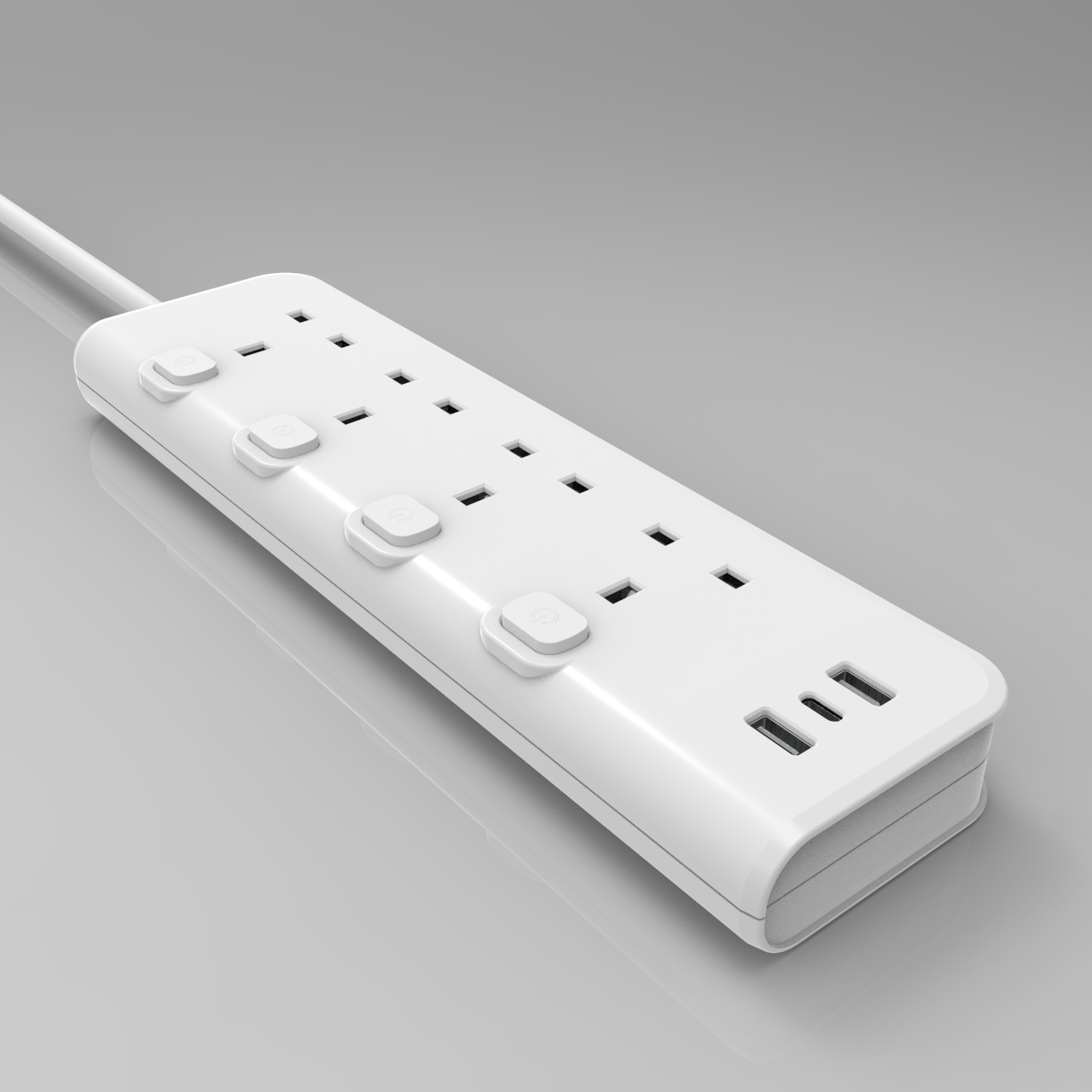
Technical Whitepaper: Localized Power Architecture & Safety Demands in Tallinn
As the primary commercial and technological engine of Estonia, Tallinn presents a distinct set of operational demands for electrical power distribution. Positioned along the Gulf of Finland, Tallinn bridges Scandinavian technological rigor with the fast-moving logistics network of the Baltic states. In this environment, multi-socket extension units cease to be generic commodities; they become critical nodes within high-density workstations, automated logistics warehouses, and state-of-the-art data enterprises.
Estonia operates on the continental European 230V AC / 50Hz grid, where CEE 7/3 (Type F Schuko) grounding geometry is standard. Commercial procurement managers, facility planners, and electrical distributors across Tallinn—from Ülemiste City to the industrial parks of Maardu and Muuga Harbour—face stringent building safety regulations overseen by the Estonian Consumer Protection and Technical Regulatory Authority (Tarbijakaitse ja Tehnilise Järelevalve Amet - TTJA). Compliance with European LVD (Low Voltage Directive 2014/35/EU), EMC standards, and RoHS isn't merely procedural; it ensures that deployed equipment withstands localized load variations and minimizes harmonic distortions caused by widespread IT switching power supplies.
Ülemiste City & IT Hubs
Workstations in software clusters and co-working offices require power strips featuring integrated Type-C Power Delivery (PD) modules alongside AC outlets. By combining GaN-powered USB circuits with individual switches, organizations reduce vampire power draw and declutter desk space without triggering thermal cut-outs.
Port of Muuga Logistics
Marine logistics, warehousing, and intermodal cross-docking facilities require heavy-gauge cables (H05VV-F 3G1.5mm²) and resilient polypropylene (PP) casings. High-impact tolerance and integrated surge suppression protect diagnostic terminals and label printers against line spikes.
Modern Residential Complexes
Tallinn's rapid urban residential growth in Kalamaja and Noblessner relies heavily on minimalist cube adapters and multi-outlet strips with built-in child-proof safety shutters, matching clean Scandinavian aesthetic trends with fire-retardant 750°C glow-wire certified polymers.
Emerging Procurement & Technical Trends Across the Estonian Corridor
Analyzing procurement dynamics: How energy efficiency mandates, digital transformation, and European supply chain transparency govern product selection in Tallinn.
1. Transition to Structural Integrated Busbars
Traditional multi-socket strips utilizing soldered wire segments inside the housing present high electrical resistance and potential cold-solder failure points under prolonged load. Professional procurement teams in Tallinn increasingly mandate single-piece punched phosphor bronze or high-conductivity copper strip architecture. This unified busbar minimizes internal heating, provides uniform clamping tension across tens of thousands of insertion cycles, and drastically lowers the risk of domestic fire hazards.
2. Integrated GaN Fast-Charging Integration
With the European Union's standardized USB Type-C charging directive in full effect across Estonia, the market has rapidly pivoted away from low-wattage 5V/1A USB-A ports. Tallinn businesses now demand multi-socket extensions that feature integrated USB-C Power Delivery (PD 20W to 65W) controllers. This allows end users to power ultrabooks, tablets, and smartphones directly from the power strip without relying on external wall warts, reducing e-waste and optimizing desktop real estate.
3. Fire Retardancy & Glow-Wire Test Compliance
Estonian electrical equipment wholesalers require documented assurance that plastic housings comply with UL94 V-0 flame-retardant ratings or IEC 60695-2-11 glow-wire standards up to 750°C. In the event of catastrophic component failure or external thermal runaway, the outer shell must self-extinguish within 30 seconds without generating burning droplets. Our factory deploys specialized engineering-grade Polypropylene (PP) and Polycarbonate (PC) formulations that prevent secondary combustion.
Direct Factory Capability: Cixi City Fenvo Technology Co., Ltd.
Situated within the globally recognized precision electrical accessory manufacturing belt of Cixi, Ningbo, our facility encompasses 4,587 square meters of vertically integrated production. Serving major importers, retail distributors, and engineering contractors throughout Europe and the Baltics, we provide comprehensive OEM/ODM control—from polymer raw-material compounding and precision injection tooling to high-speed copper stamping, final robotic testing, and customized export packaging.
TÜV Rheinland Verified
Our production facilities, workforce qualifications, and testing labs undergo meticulous onsite verification by TÜV Rheinland, validating our factory authenticity and capacity.
In-House QC Laboratories
Every batch is subjected to high-voltage dielectric withstand tests, contact temperature rise evaluations, cord strain relief pull tests, and mechanical insertion life cycle verification.
Full In-House Stamping
We own our tooling lines and high-precision punching dies, ensuring consistent contact pressure, uniform wall thickness, and precise fitment across all socket cavities.
FOB Ningbo / Direct CIF Tallinn
Strategically located near Ningbo-Zhoushan port, we coordinate cost-efficient sea freight to Baltic transport terminals or express sample consignments via air directly to Lennart Meri Tallinn Airport.
Frequently Asked Questions by Baltic & Tallinn Buyers
Technical answers to common commercial inquiries regarding importation, conformity documents, and custom manufacturing options.
Do your multi-socket extensions comply with Estonian TTJA requirements?
Yes. All units destined for the Estonian market are produced in full accordance with the Low Voltage Directive (LVD 2014/35/EU), Electromagnetic Compatibility (EMC 2014/30/EU), and RoHS. We issue a formal European Declaration of Conformity (DoC) accompanied by verifiable test reports, ensuring seamless customs clearance and commercial compliance within Estonia.
Can we configure CEE 7/3 (Schuko) sockets alongside UK or Universal pin patterns?
Absolutely. While standard Estonian commercial domestic buildings mandate Type F Schuko outlets, we manufacture universal pin architectures, mixed-format international socket boards, and specialized multi-country configurations frequently required by cross-border logistics operators, IT test benches, and marine electronics workshops operating in Baltic maritime facilities.
What is the typical Minimum Order Quantity (MOQ) for custom private label orders?
For custom retail packaging, silk-screen brand logos, and specific cable lengths (such as 1.5m, 3m, or 5m heavy-gauge wire), the standard MOQ for power strips is typically 500 to 1,000 units depending on the complexity of the internal electronics. For travel adapter cubes and compact desktop accessories, MOQs can begin as low as 50 to 500 units for trial test orders.
What lead times and logistics routes are established for Tallinn delivery?
Production cycles generally range between 25 and 35 days post-sample sign-off and deposit receipt. Shipping from Ningbo-Zhoushan port to Muuga or Tallinn container terminals usually takes 35 to 45 days via primary maritime lines. For urgent initial rollouts or seasonal retail replenishment, split shipments combining air cargo and sea freight can be accommodated seamlessly.