Executive Procurement Directory
Certified Power Extensions Engineered for Heritage and Administrative Security
Meeting the rigorous technical parameters of the Holy See and global institutional deployments with integrated copper busbars, fire-retardant enclosures, and multi-protocol rapid charging.
31
Years of Industry Expertise
4,587㎡
TÜV Onsite-Verified Facility
100%
Pure Phosphor Bronze Internal Busbars
750°C
Flame-Retardant UL94-V0 Housing
Engineering Vatican-Compliant Extension Sockets: Safety In Heritage Enclaves
Procuring electrical infrastructure for Vatican City (Stato della Città del Vaticano) presents an extraordinary convergence of heritage preservation, stringent European CE/LVD safety compliance, and multifaceted multinational connectivity. Operating within an architectural ecosystem characterized by centuries-old masonry, frescoed administrative cloisters, and the global nexus of the Apostolic Palace, the deployment of transient electrical extensions demands unmatched structural reliability. Standard residential-grade extension sockets often utilize modular soldered wiring, introducing localized resistance points that elevate thermal hazards—an impermissible risk when operating near invaluable archives, papal offices, and complex diplomatic communication arrays.
As a leading Chinese designer and manufacturer with over three decades of precision electrical engineering based in Cixi, Ningbo, Cixi City Fenvo Technology Co., Ltd. provides institutional buyers with extension sockets constructed with integrated, unibody phosphor bronze contact strips. By replacing point-to-point soldered wire harnesses with continuous punched copper bars, our assemblies eradicate internal weld failures, minimize contact degradation, and maintain uniform electrical conductivity across thousands of plug-in cycles under persistent 10A, 13A, and 16A operational loads.
Vatican-Specific Electrical Topography: Standards Type C, Type F (Schuko), and Type L (Bipaso)
The electrical topography of Vatican City relies directly on the Italian power grid (230V AC, 50Hz), utilizing CEI 23-50 standards consisting primarily of Type C and Type L sockets alongside growing integration of Type F (Schuko / CEE 7/4) receptacles. The classic Italian Type L interface includes both the 10-ampere configuration (center pins spaced 19 mm apart with 4 mm pin diameter) and the heavy-duty 16-ampere configuration (pin centers spaced 26 mm apart with 5 mm pin diameter). In critical administrative environments such as the Secretariat of State, Vatican Radio broadcast facilities, the Pontifical Swiss Guard headquarters, and transient hospitality centers like the Domus Sanctae Marthae, equipment originates from global supply chains.
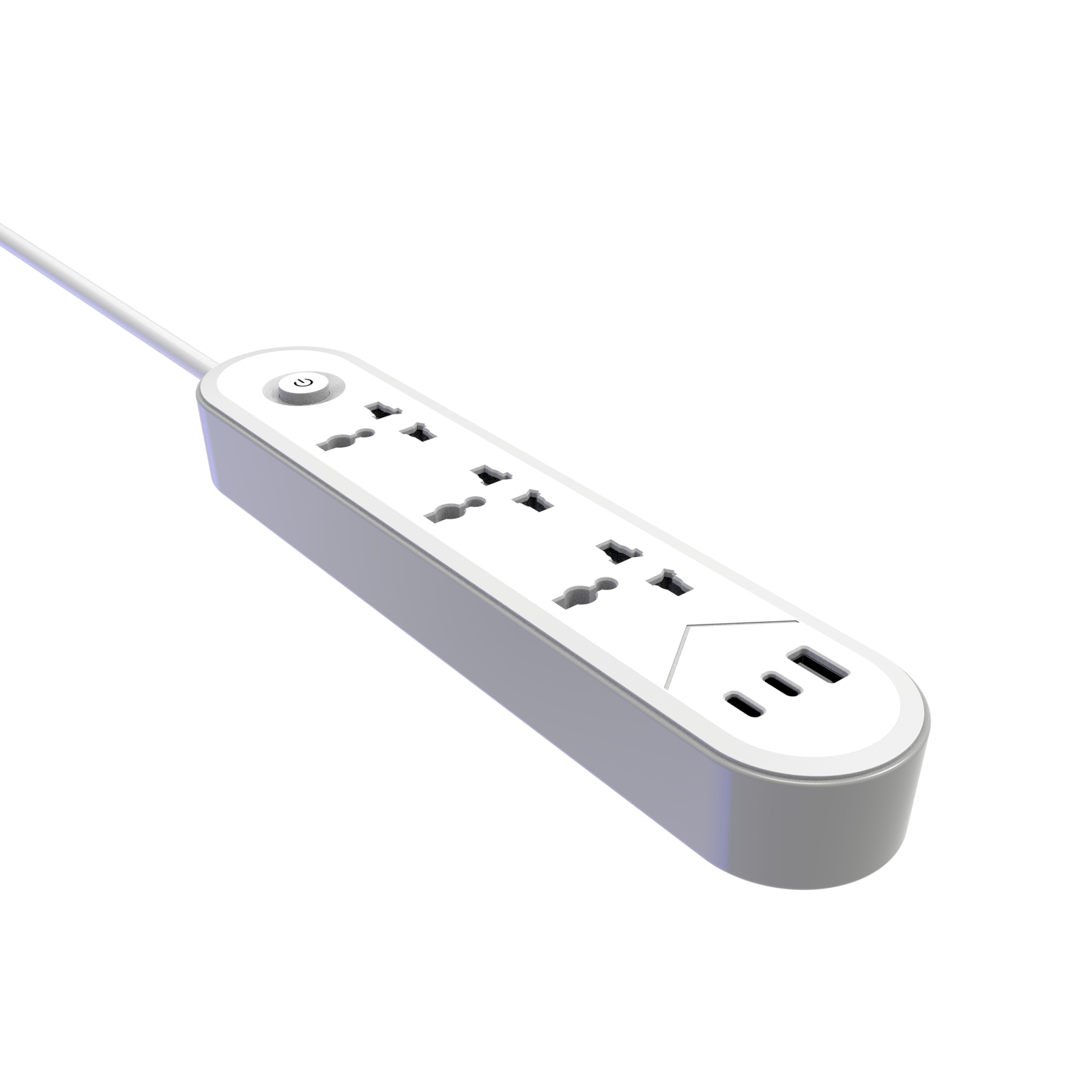
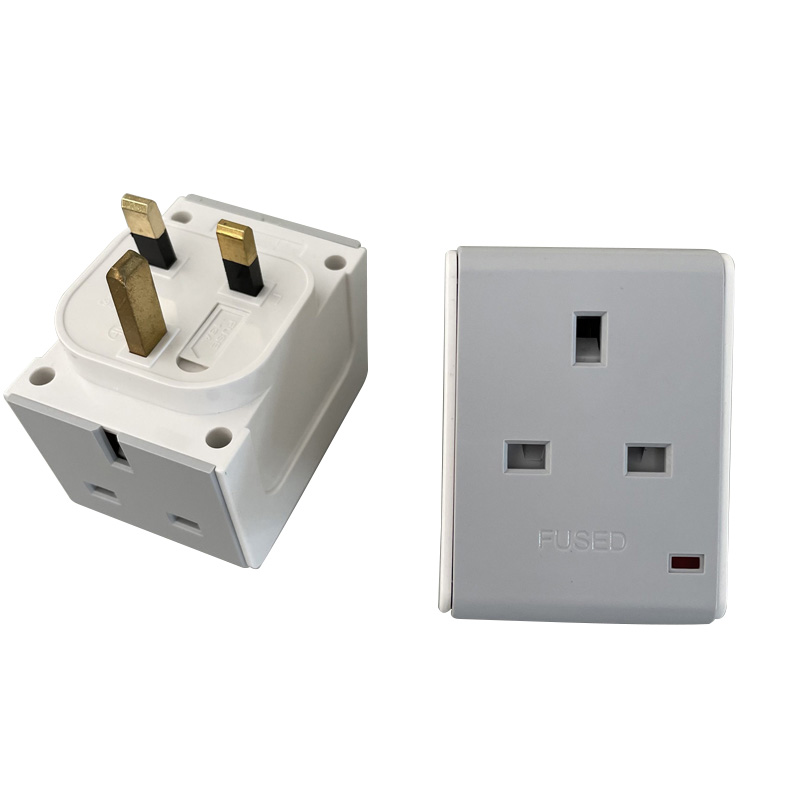
Institutional facilities within the Vatican require extension assemblies featuring comprehensive universal socket geometries and dual-gage Bipaso compatibility capable of firmly accepting CEI 23-50 Type L, Schuko CEE 7/7 hybrid plugs, and British BS 1363 connectors without mechanically fatiguing internal retention springs. Fenvo’s custom-tooled chassis integrate heavy-duty child safety shutters calibrated to an opening insertion force exceeding 40N, preventing accidental ingress of metallic dust and contaminants while ensuring mechanical stability in heavy-draw environments.
Unibody Punched Copper Busbars
Manufactured using progressive die stamping from continuous electrolytic copper, eliminating internal wire soldering, drastically lowering circuit impedance, and mitigating heat buildup during continuous duty.
Multi-Stage Surge & Transient Protection
Equipped with high-energy Metal Oxide Varistors (MOVs) and integrated thermal cut-offs rated up to 1,050 Joules, safeguarding sophisticated audio/visual broadcast gear against voltage spikes.
750°C Glow-Wire Flame Retardance
Engineered using virgin Polycarbonate (PC) and Flame-Retardant ABS enclosures conforming strictly to IEC 60695-2-11 glow-wire test criteria, extinguishing flame spread within 30 seconds.
Localized Application Scenarios Across the Holy See
The operational demands for electrical distribution within the walls of Vatican City span multiple specialized sectors:
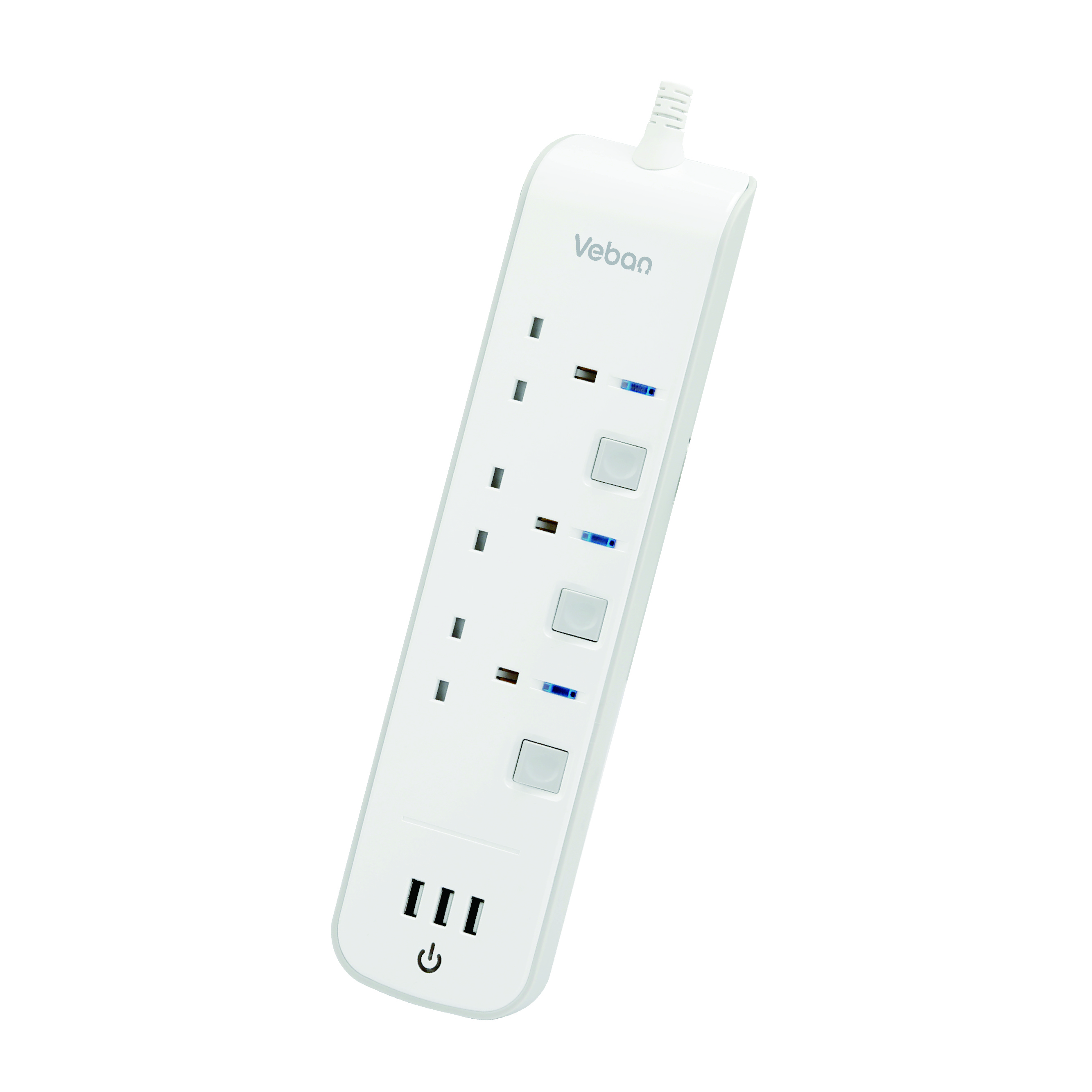
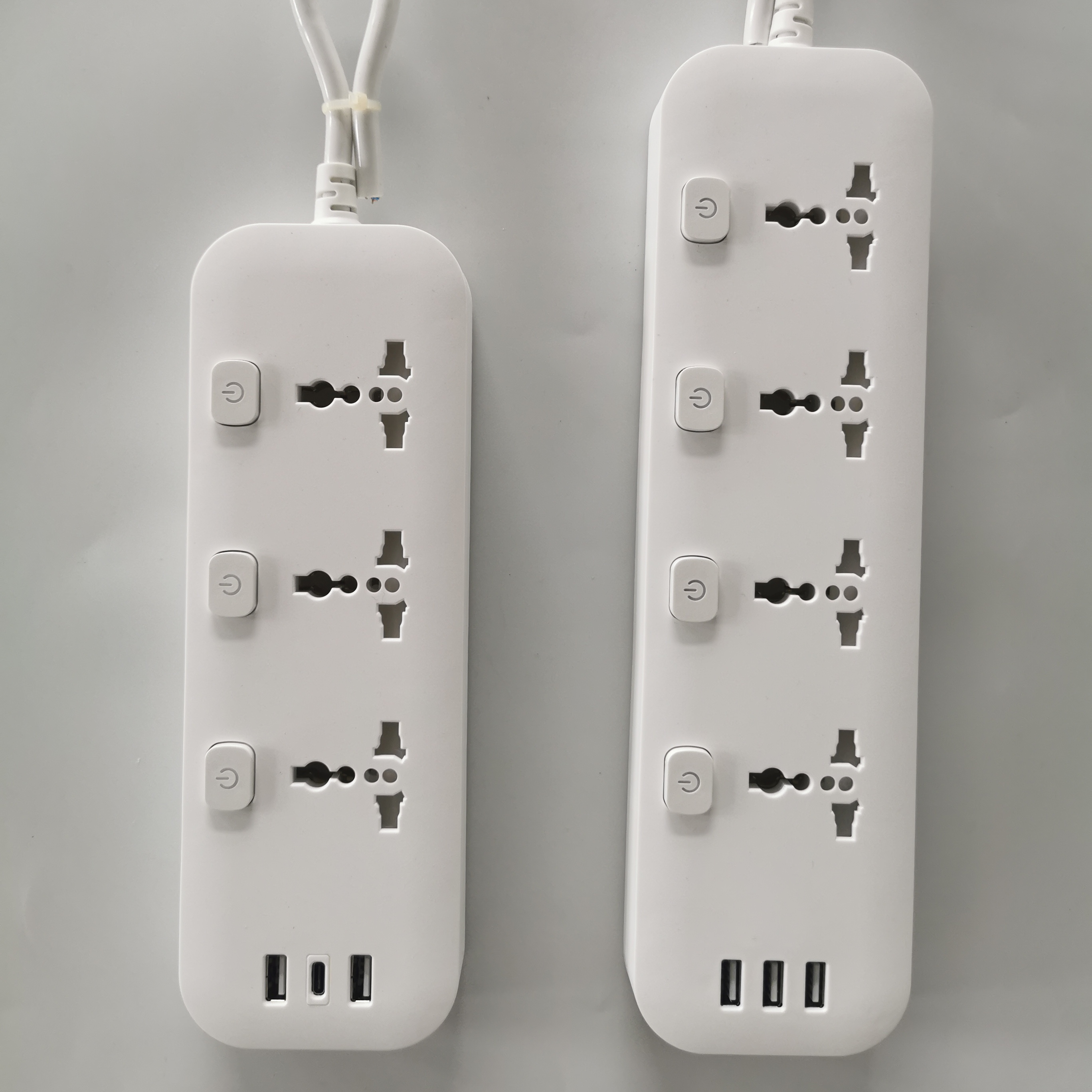
1. Curial Administrative Workspaces and Vatican Archives: High-density office sectors require multi-gang power strips equipped with discrete individual switches or centralized double-pole illuminated master switches. These allow simultaneous powering of archival scanners, archival climate sensors, workstations, and communication equipment while permitting zero-watt phantom load cutoff during off-duty hours, aligning directly with the environmental conservation directives articulated in Laudato si'.
2. Global Broadcasting & Media Production Hubs: The Dicastery for Communication oversees complex international broadcast networks covering St. Peter’s Basilica, global synods, and papal addresses. These operations require robust, shielded power distribution leads that provide clean, uncompromised power without electromagnetic interference (EMI/RFI). Our surge-protected universal socket leads and industrial-grade cable reels ensure high-draw television production equipment operates without audio line hum or voltage flutter.
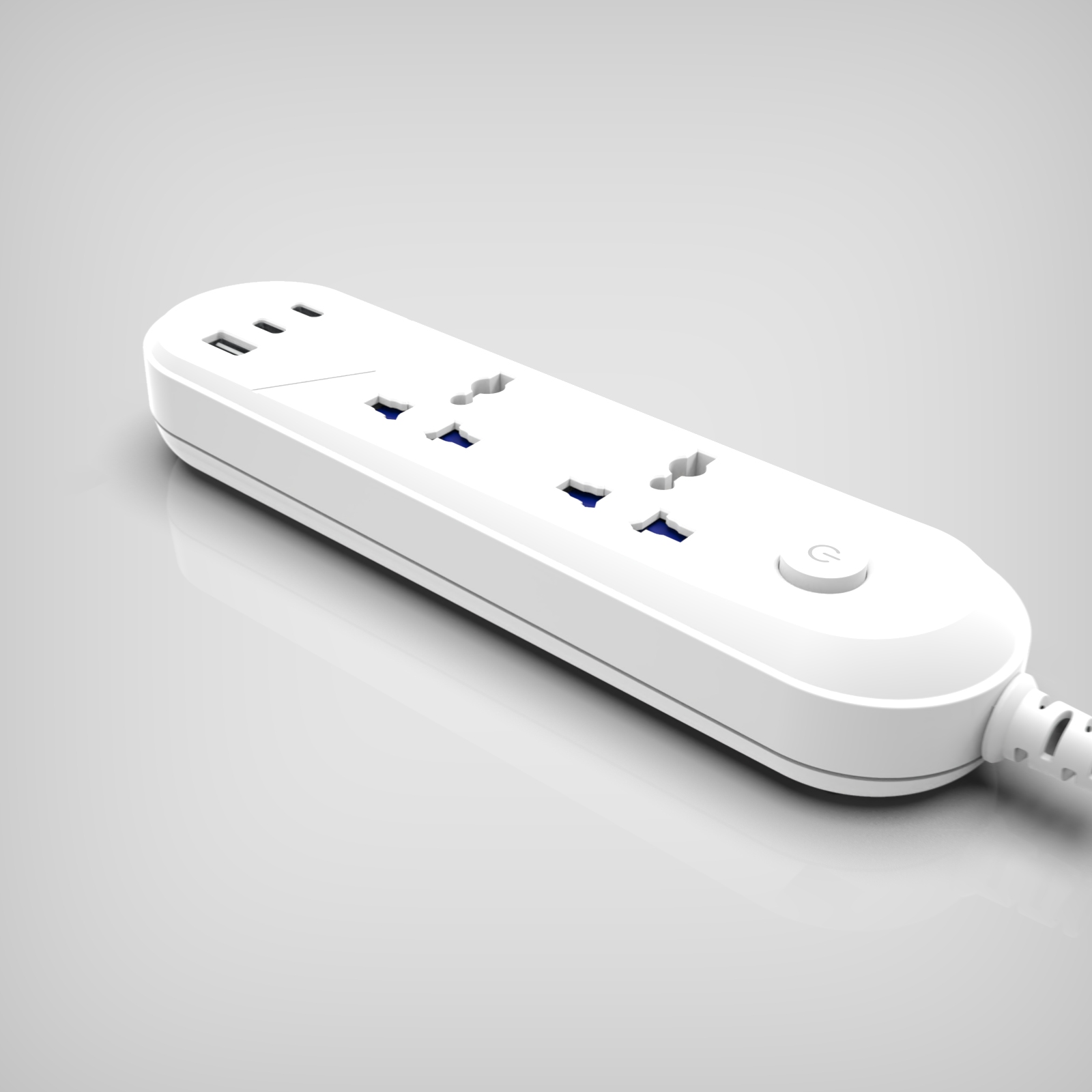
3. International Pilgrim Hospitality & Diplomatic Enclaves: Vatican City routinely receives diplomatic delegates, ecclesiastical dignitaries, and thousands of international visitors daily. Institutional hospitality rooms require flexible desktop and wall-plug power hubs equipped with integrated Power Delivery (PD) USB Type-C and Fast Charging USB-A ports, enabling international guests to power consumer electronics without resorting to ungrounded or hazardous counterfeit adapters.
Emerging Trends in Vatican & Southern European Electrical Procurement
Recent procurement data reveals three primary developmental trends influencing power socket sourcing across Southern European institutional domains:
Decarbonization and Standby Energy Mitigation: Modern institutional facilities in Rome and the Vatican increasingly specify intelligent master-switch and sub-switch configurations. The deployment of smart, app-enabled or master-switch power strips enables administrative departments to completely eliminate standby current draw across thousands of connected peripheral devices, achieving quantifiable reductions in sovereign energy consumption.
Convergence of AC Line Power and Direct DC GaN Architecture: Facility managers are actively phasing out bulky external AC-to-DC transformer blocks in favor of high-wattage Gallium Nitride (GaN) fast-charging modules integrated directly into socket housings. Fenvo manufactures hybrid extension assemblies featuring 20W to 65W integrated USB-C Power Delivery ports, reducing the clutter of multiple wall adapters and stabilizing operating temperatures.
Standardization of Comprehensive Child Safety and Material Traceability: Heightened compliance with European Directive 2014/35/EU (Low Voltage Directive) and RoHS/REACH environmental compliance mandates absolute elimination of hazardous brominated flame retardants, lead soldering, and heavy metals. Procurement mandates full material testing traceability and authentic declaration certificates issued by accredited notified bodies like TÜV Rheinland.
Audited Manufacturing Authority
Full In-House Industrial Ecosystem in Cixi, Ningbo
From raw copper rod processing and virgin polymer injection molding to automated testing, every assembly is verified on our 4,587㎡ manufacturing floor.
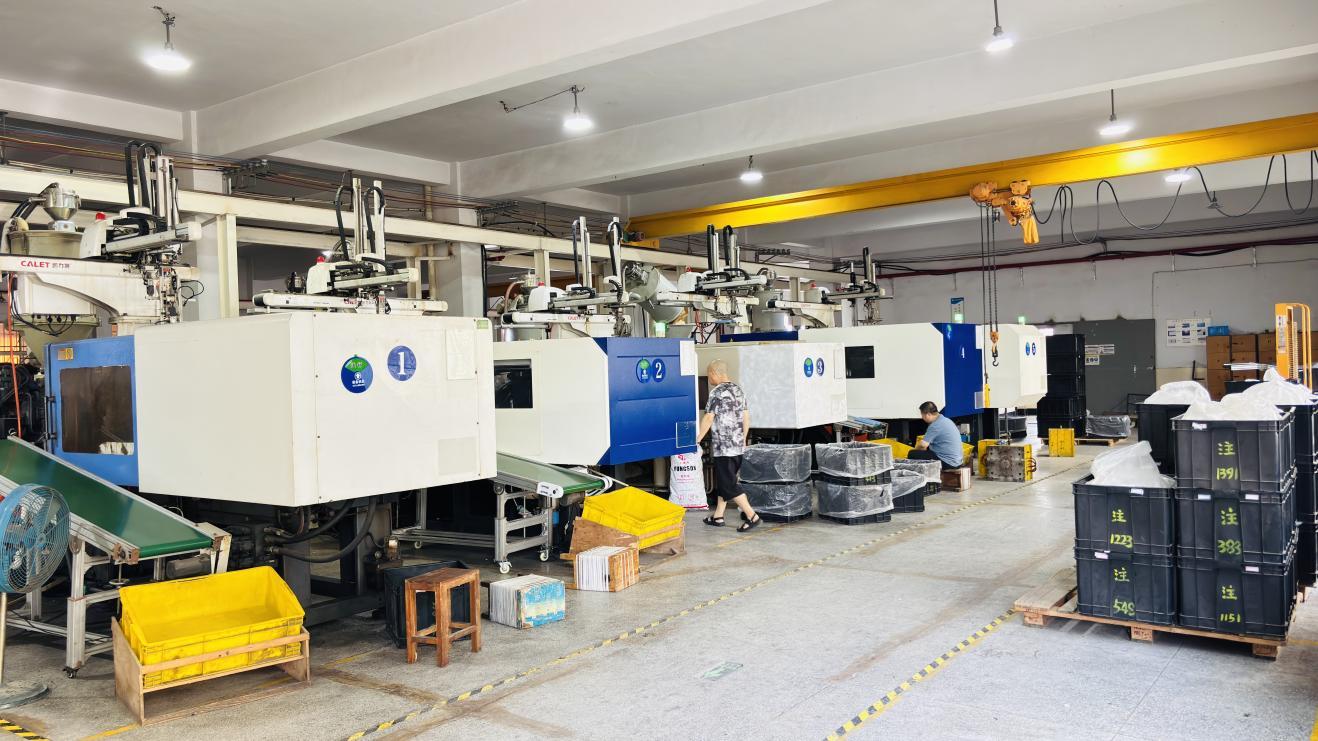
Precision Tooling & Enclosure Injection
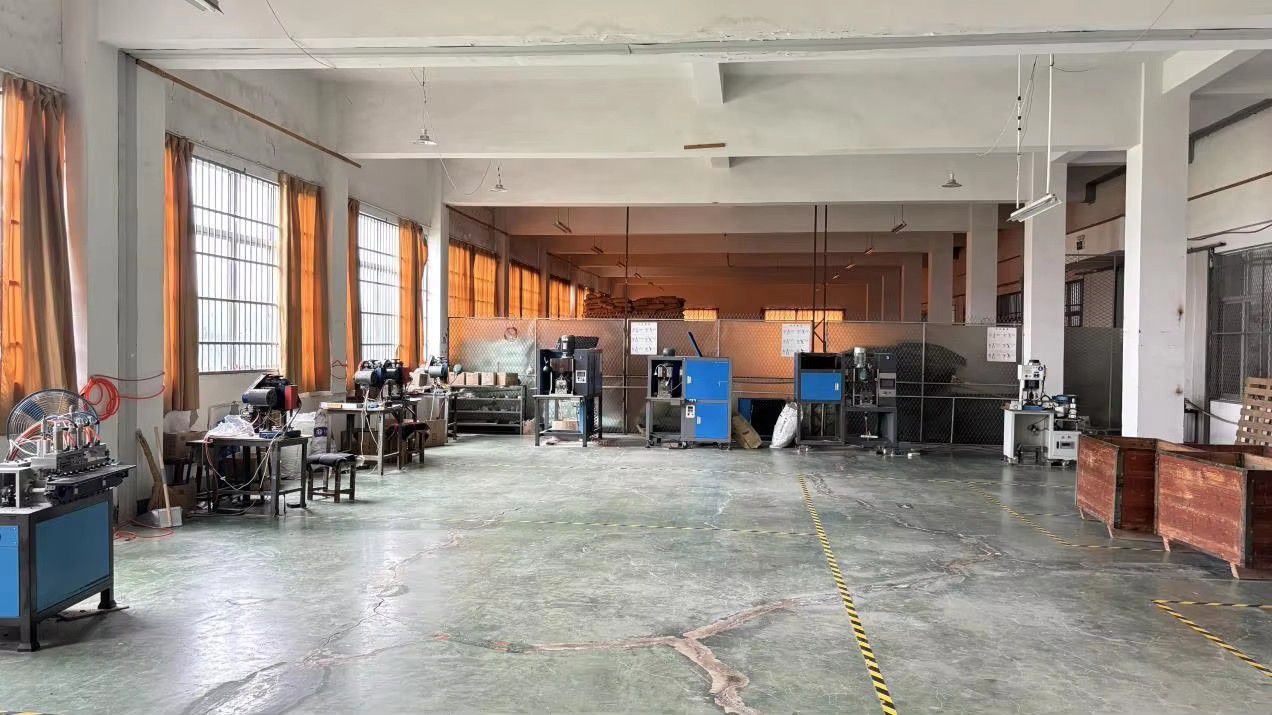
High-Speed Continuous Copper Punching
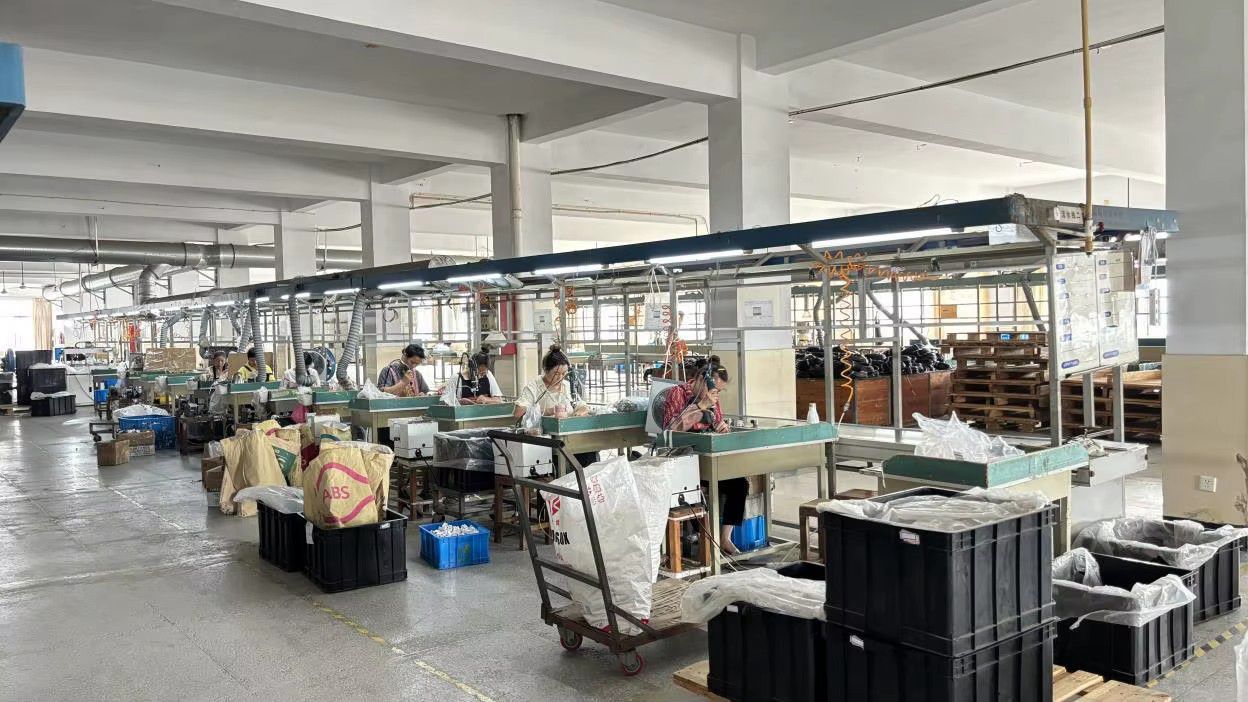
Dedicated Clean-Flow Assembly Lines
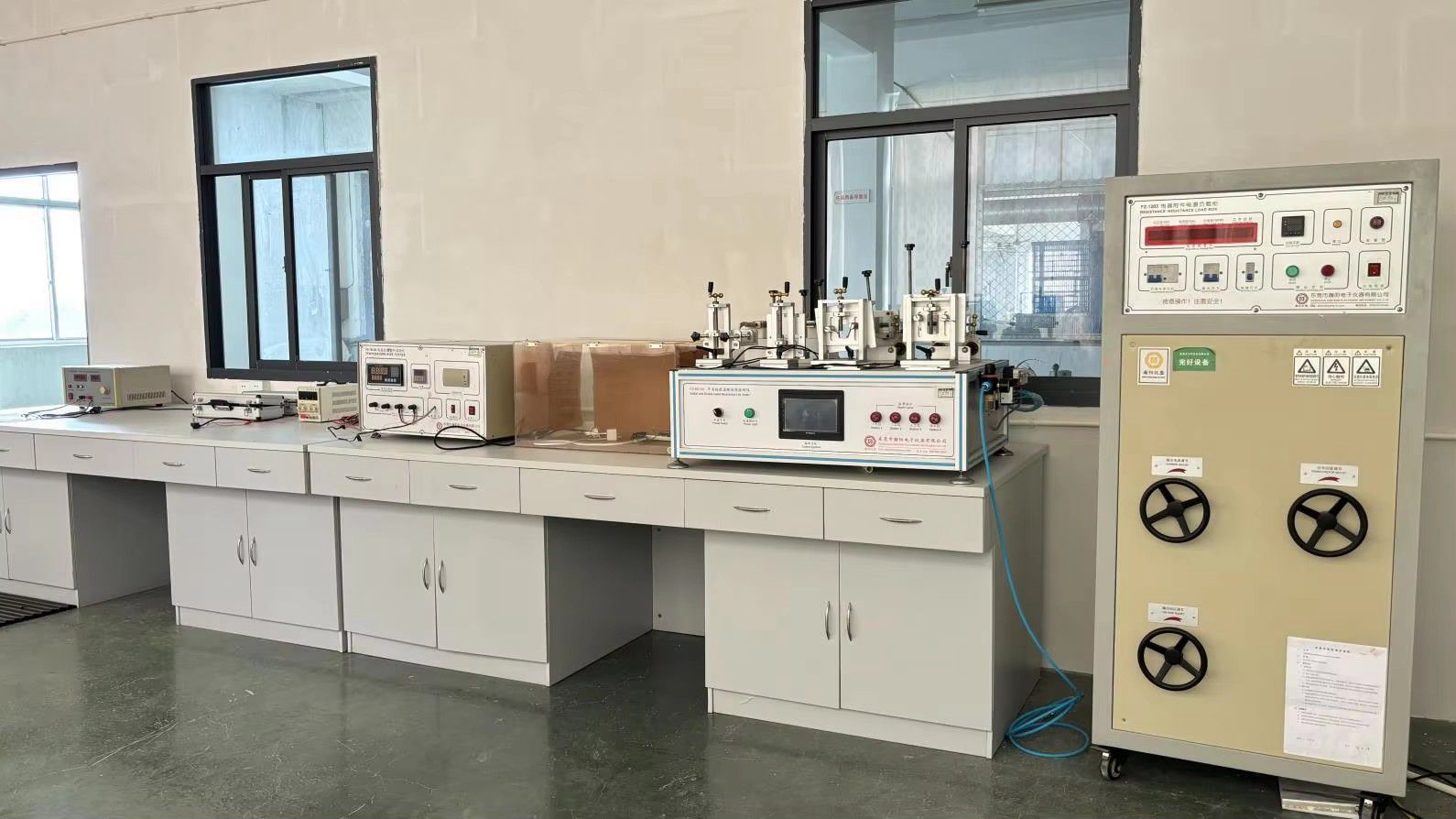
100% High-Voltage Breakdown Testing
Procurement Knowledge Base
Frequently Asked Questions by Institutional Buyers
Detailed technical clarity regarding compliance, customs import protocols, and technical modifications for Italian and Vatican infrastructure.
Q1: How do your extension sockets integrate with the dual Italian Type L socket systems?
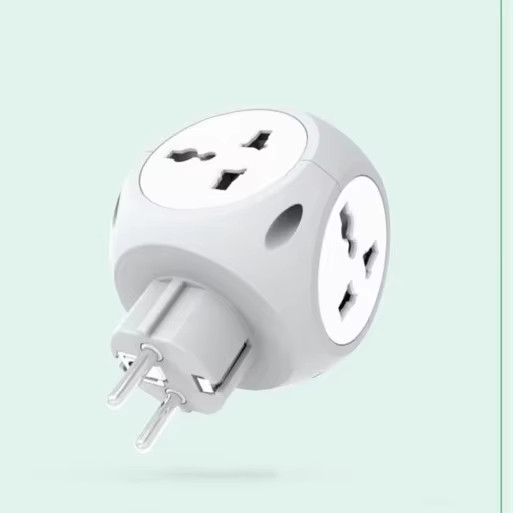
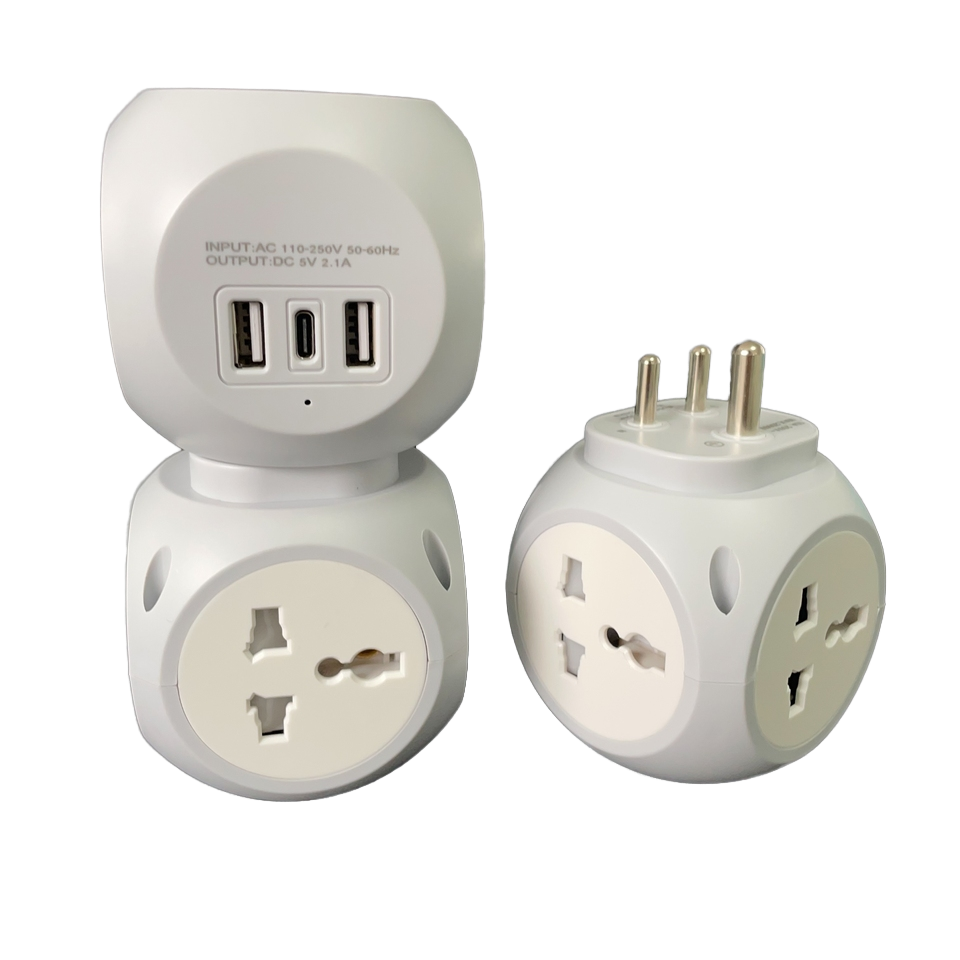
Our universal socket designs and modular Italian-type extensions feature specialized Bipaso terminal apertures. They effortlessly accommodate both the 10A (4.0mm pin, 19mm pitch) and 16A (5.0mm pin, 26mm pitch) Italian configurations alongside German Schuko (CEE 7/4) plugs, maintaining continuous spring retention pressure via heavy-gauge phosphor bronze contacts.
Q2: What certifications accompany shipments destined for European customs clearance?
All exported models are provided with comprehensive Declaration of Conformity (DoC) documentation confirming compliance with the European Low Voltage Directive (LVD 2014/35/EU), Electromagnetic Compatibility Directive (EMC 2014/30/EU), and RoHS Directive (2011/65/EU). Factory audits can be cross-verified directly via our TÜV Rheinland inspection credentials.
Q3: Can power strips be customized with specific switch parameters and cable lengths?
Yes. As a true OEM/ODM manufacturer with in-house tooling, we offer customizable pure-copper cable lengths (from 1.0m to 10m+), H05VV-F specification cross-sections (3G0.75mm², 3G1.0mm², 3G1.5mm²), custom chassis pantone colors, and independent neon/LED micro-switches or master thermal circuit breaker switches.
Q4: How do internal copper bars outperform traditional soldered wire designs in historical buildings?
Internal copper bars (busbars) are stamped from single, continuous strips of pure phosphor bronze, completely eliminating manual lead-solder joints. Wire solder points introduce inconsistent resistance, potential cold solder failures, and concentrated heat points under heavy continuous loads. Busbars eliminate these hazards, drastically reducing fire risks in sensitive architectural environments.
Q5: What are the Minimum Order Quantities (MOQ) and lead times for institutional supply?
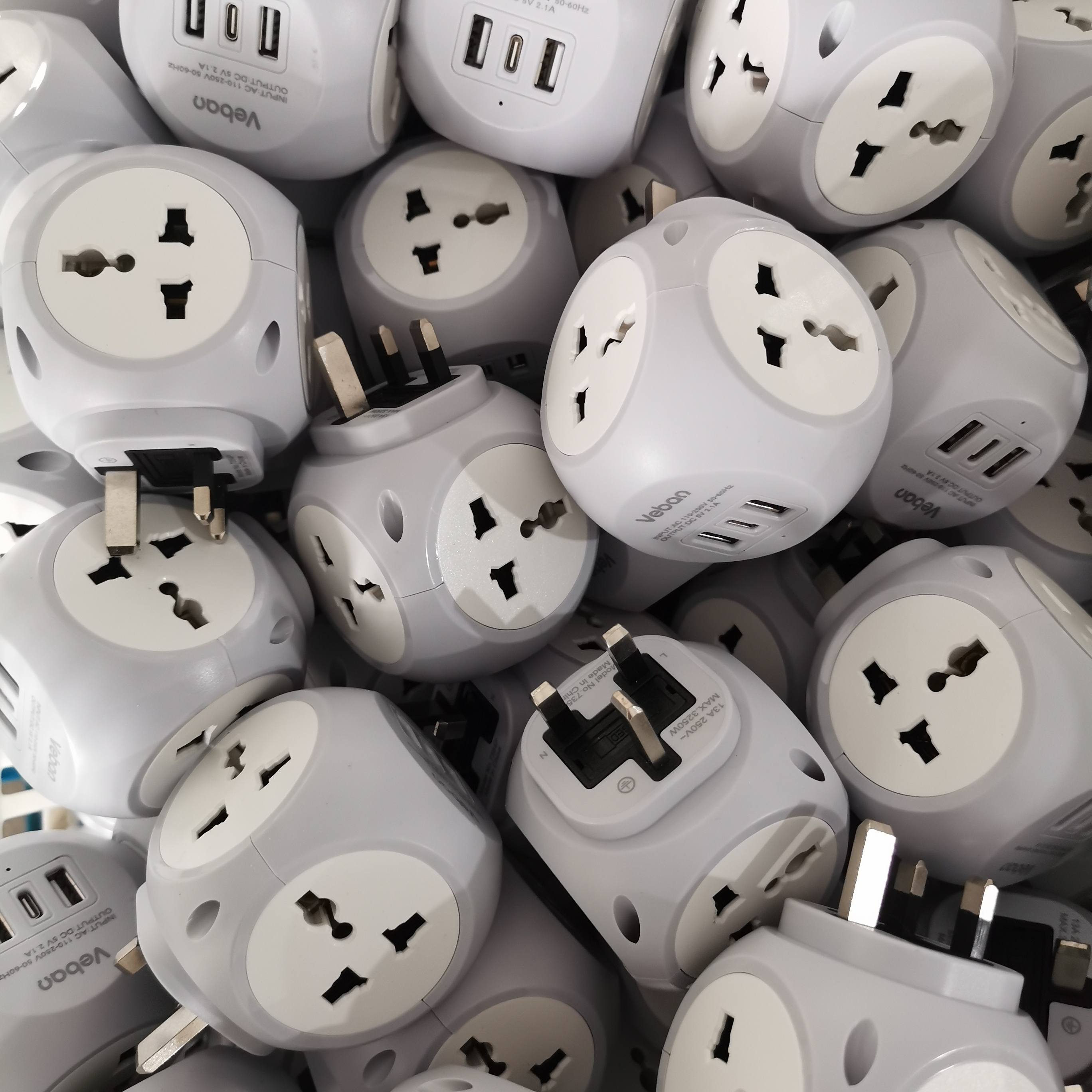
MOQ varies depending on custom tooling and packaging specifications. Standard travel adapters and multi-plug cubes start as low as 50 to 500 units, while customized multi-gang extension sockets typically start at 1,000 to 2,000 units. Standard production lead times average 25–35 days from approved tooling and packaging artwork, with FOB shipment arranged directly via Ningbo Port.
Q6: How is surge protection implemented to shield sensitive audio, video, and archival electronics?
We integrate multi-stage surge protection modules utilizing premium Metal Oxide Varistors (MOVs) paired with integrated thermal cutoff fuses and gas discharge tubes. The circuit rapidly suppresses transient voltage spikes (such as those induced by lightning strikes or transformer line fluctuations) within less than 25 nanoseconds, shunting surge energy to earth ground safely.
Direct Factory Advantage
Why Institutional Importers Trust Fenvo Technology
Established in 1995, Cixi City Fenvo Technology Co., Ltd. operates in Daqishan Village, Guanhaiwei Town, Cixi, Ningbo—China's global center for electrical connection manufacturing.
Integrated Manufacturing
No trading company markups. We control every stage: mold fabrication, high-tonnage precision polymer injection, metal stamping, automated cable winding, and final electrical testing under one unified ISO 9001 certified quality system.
Over 20 Years OEM/ODM Excellence
With an export ratio exceeding 91% across Europe, North America, the Middle East, and Latin America, our engineering division has designed custom, proprietary tooling and private-label packaging for global electrical hardware brands.
Documented Compliance Support
We provide full technical documentation packets including CE certificates, test reports (LVD/EMC), UKCA declarations, GCC conformity documentation, and REACH/RoHS material breakdowns for hassle-free customs clearance.
Initiate Your Custom Engineering Inquiry
Consult directly with our bilingual project engineering team for detailed technical drawings, comprehensive quotation sheets, and expedited product samples tailored to European and Vatican specifications.
Inquire Now