1. The Polymer Dilemma: Standard ABS vs. Flame Retardant PC/ABS Compounding
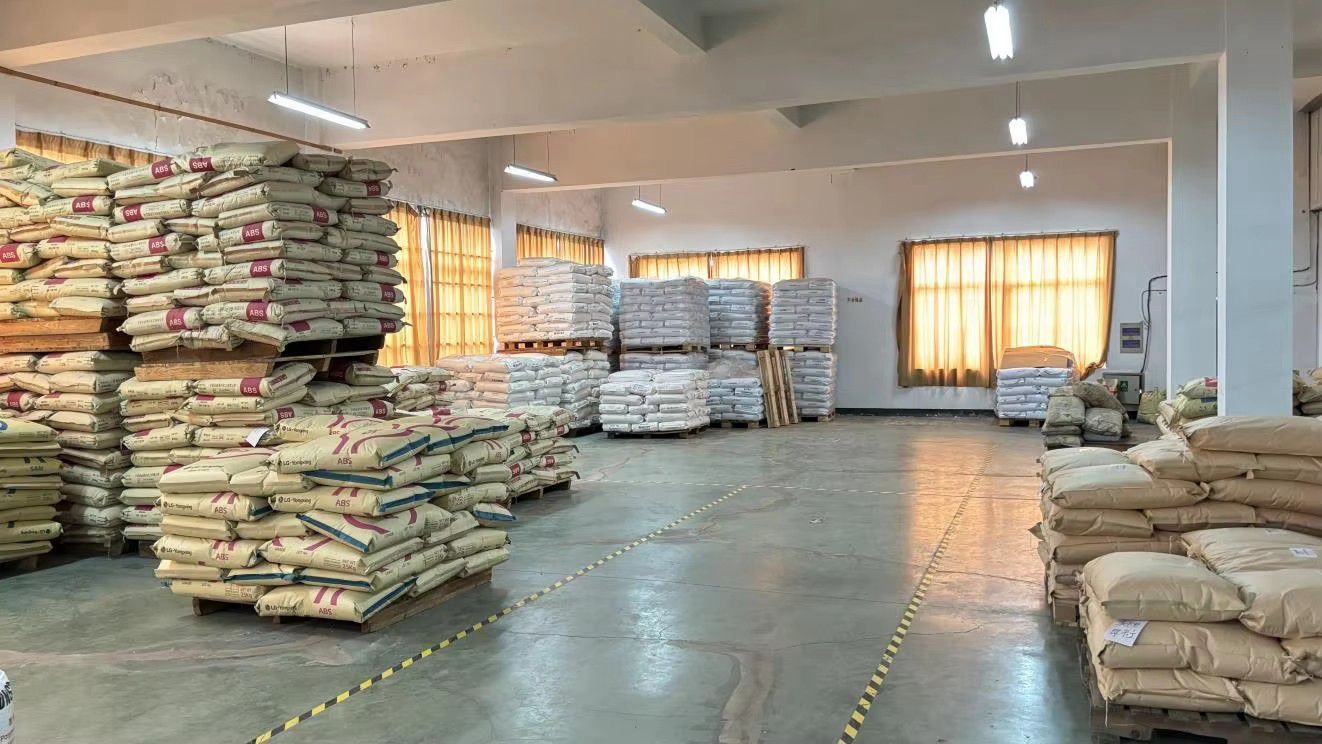
In high-volume commercial electrical manufacturing, standard virgin Acrylonitrile Butadiene Styrene (ABS) possesses a continuous operating threshold of approximately 80°C and a horizontal burning rating of UL94 HB. When subjected to localized arc faults, loose plug terminals, or ohmic overheating caused by high current draw, standard ABS ignites rapidly, generates dripping flaming droplets, and sustains vertical flame propagation.
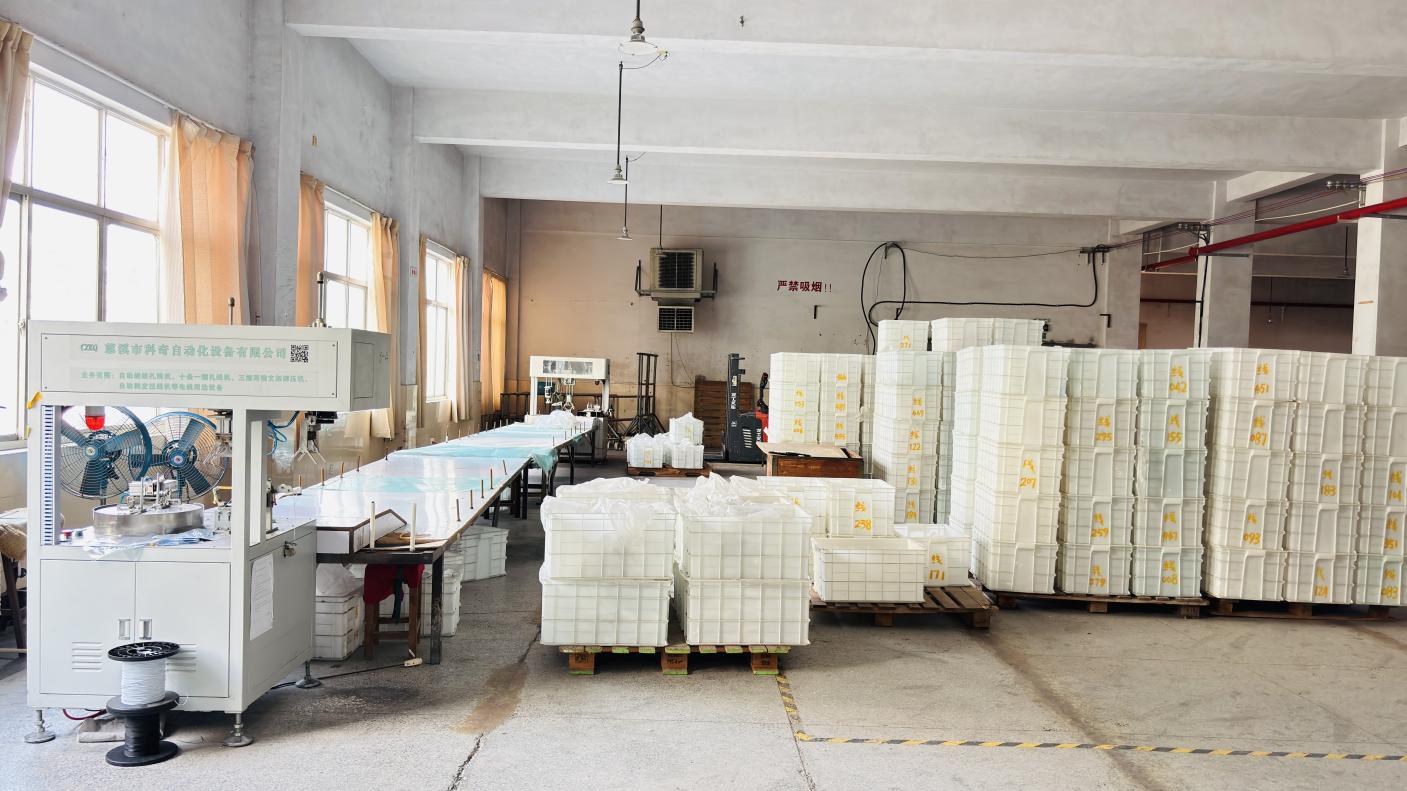
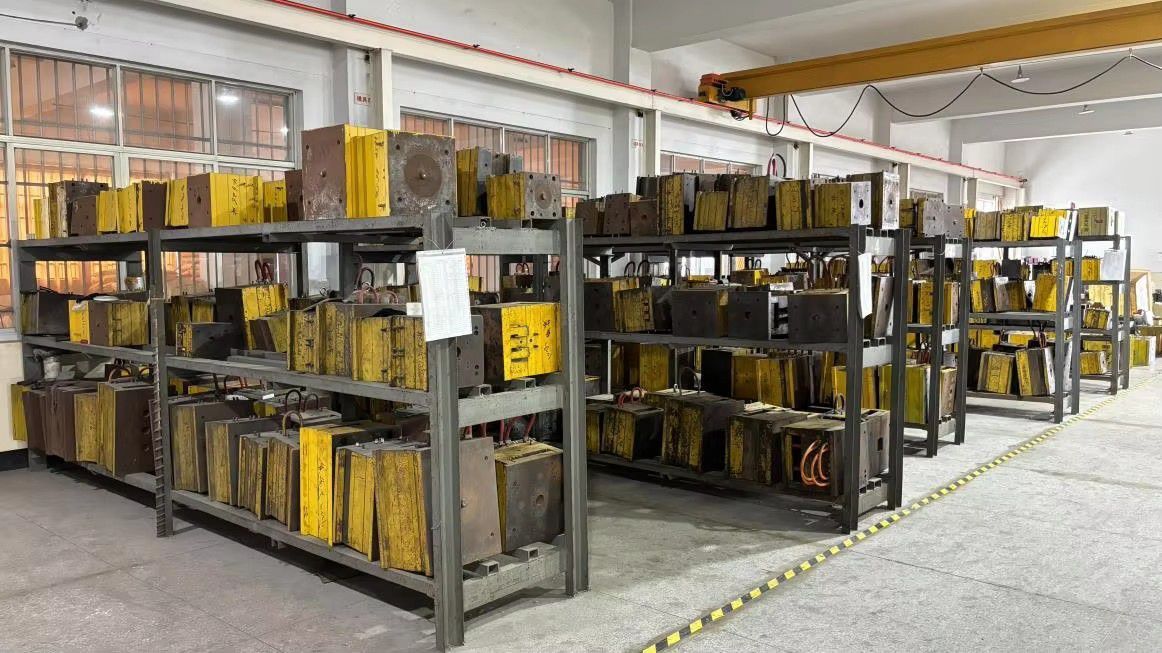
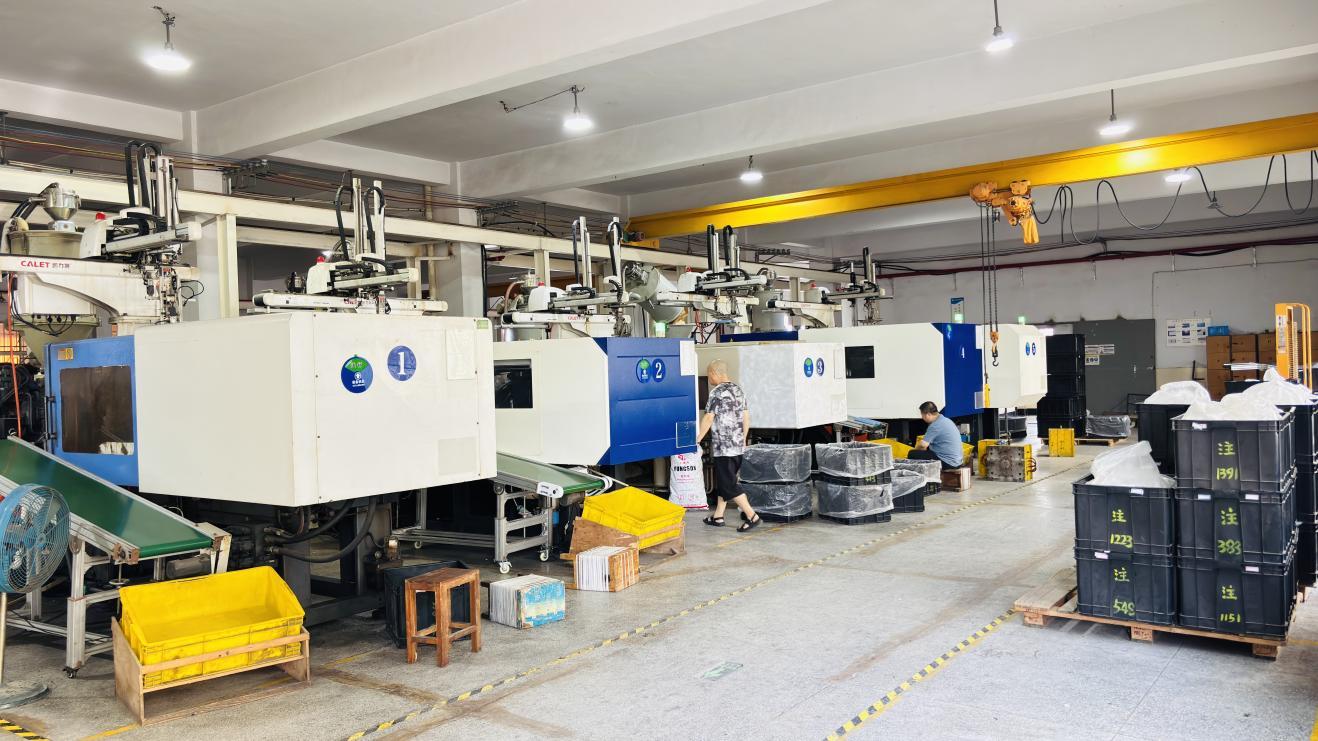
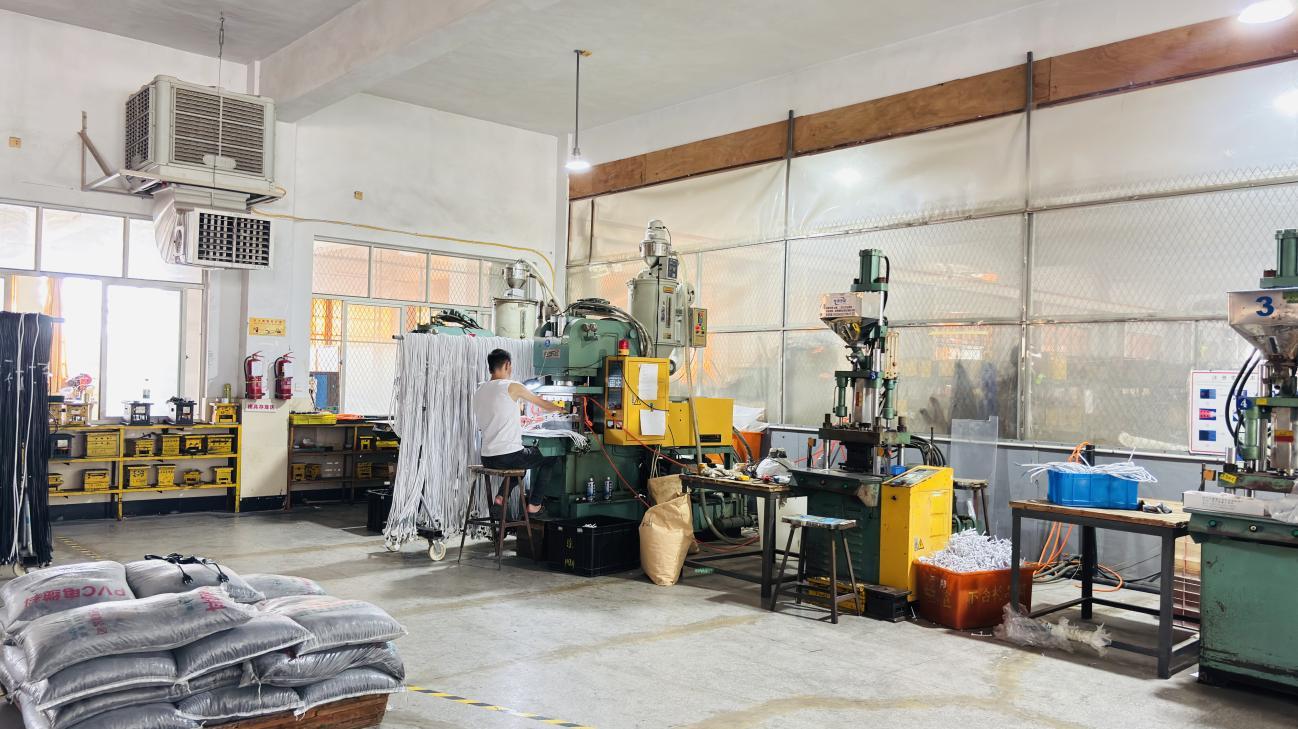
To meet international compliance criteria (including British Standard BS 1363, European IEC 60884-1, and UL 1363), Cixi City Fenvo Technology Co., Ltd. utilizes custom halogen-free Polycarbonate (PC) and flame-retarded ABS composite formulations. These engineering resins integrate micro-encapsulated phosphorus-nitrogen flame retardants that catalyze surface charring when exposed to extreme thermal stress. This solid carbonaceous barrier deprives the substrate of oxygen, lowers thermal conductivity, and prevents liquid polymer melt-dripping.
2. Understanding Glow Wire Flammability Index (GWFI) vs. UL94 V-0
Industrial procurement contracts frequently confuse flammability grading terminology. For clear technical specifications:
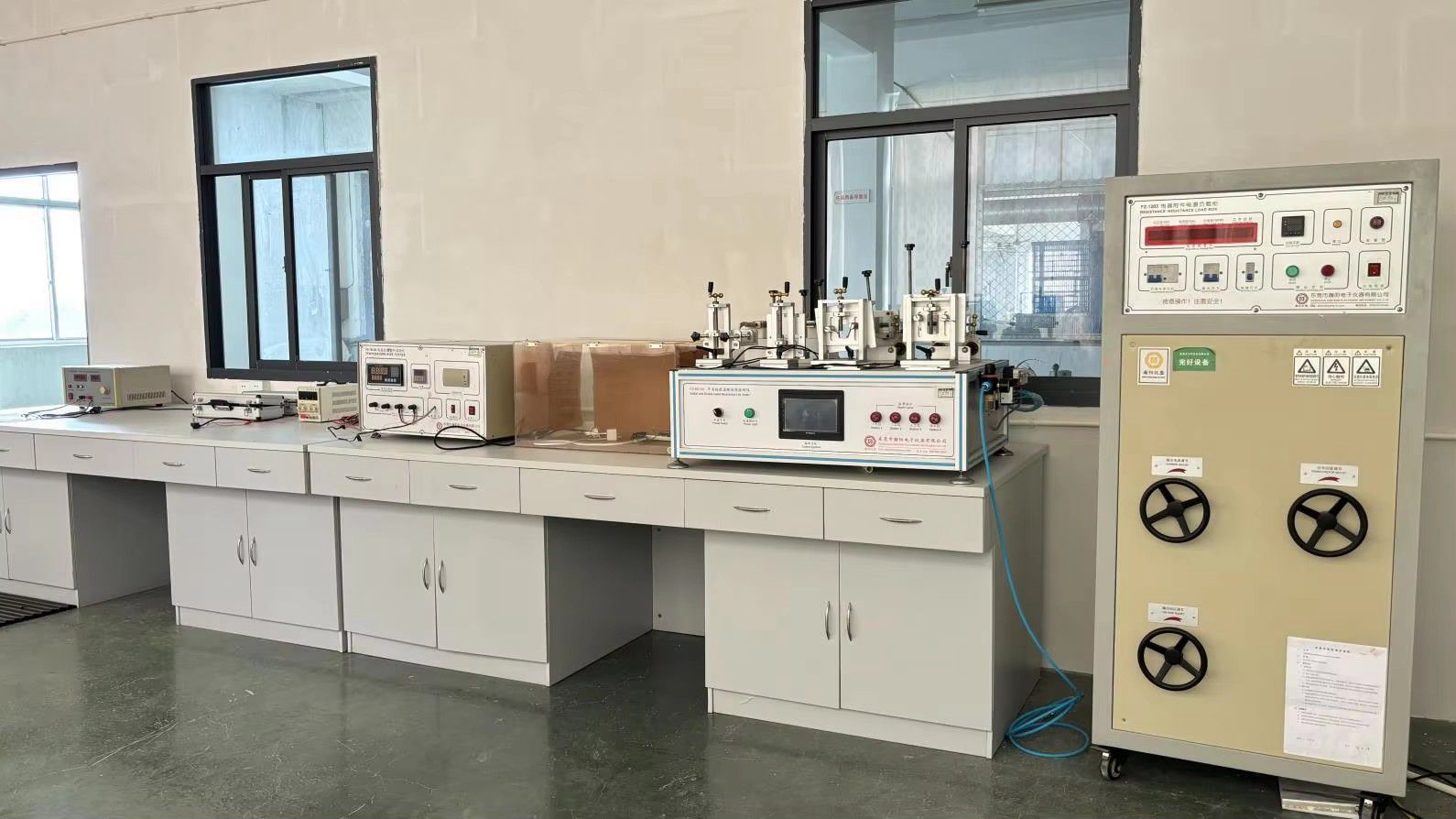
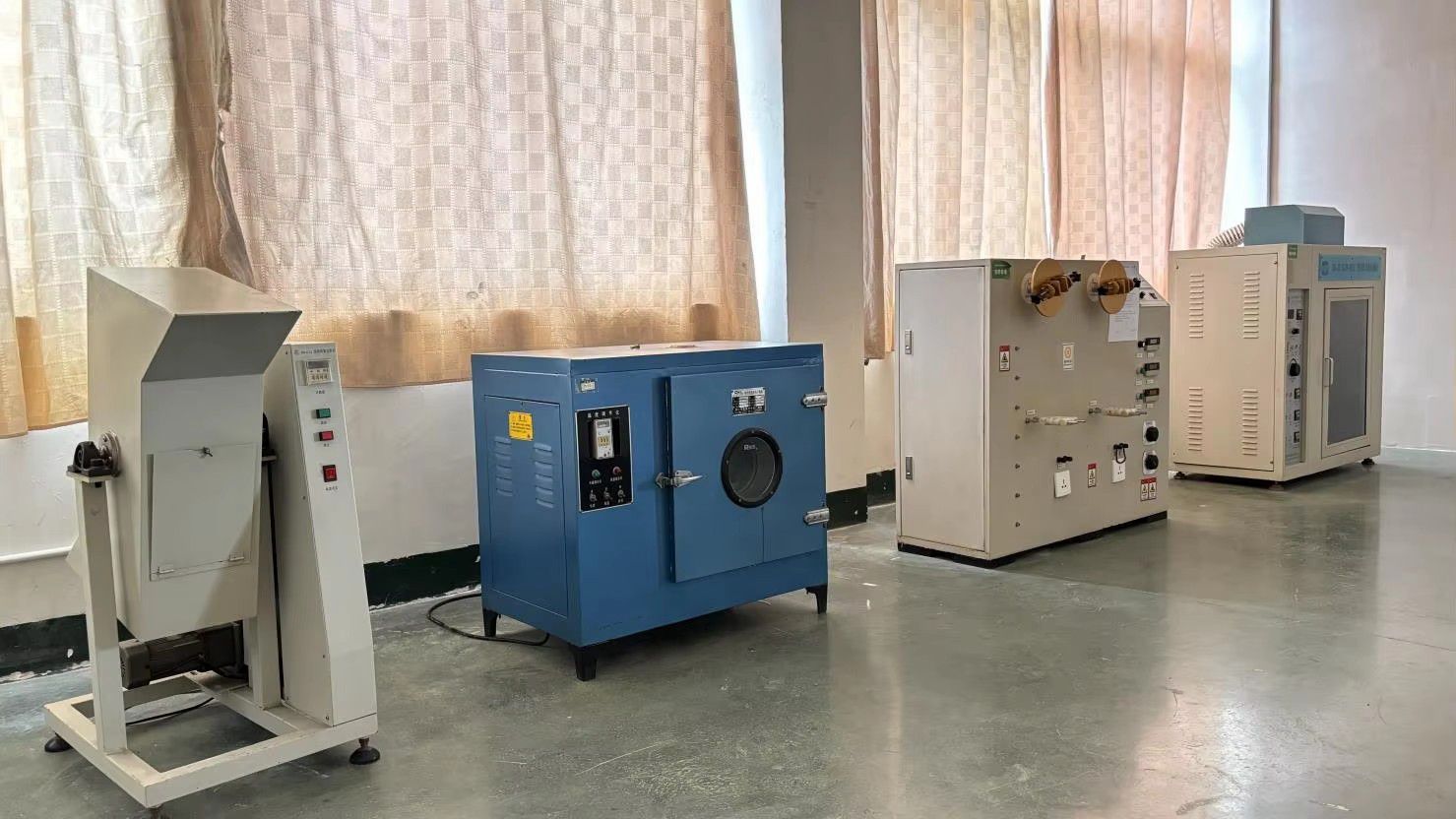
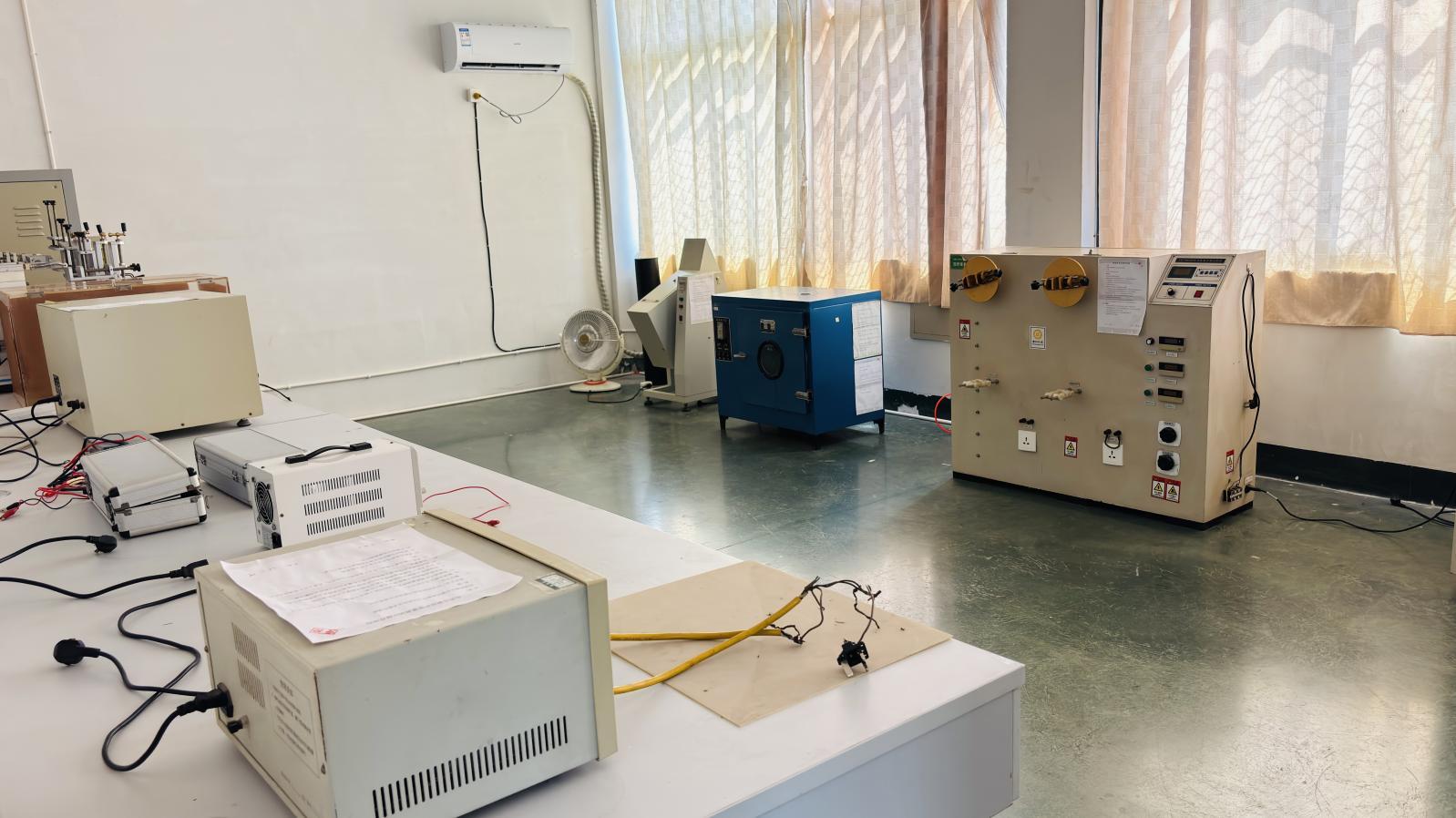
- UL94 V-0 Standard: Vertical specimen burning tests require that flames extinguish within 10 seconds following the removal of a calibrated ignition source, without emitting ignited particles that combust surgical cotton positioned beneath the test specimen.
- IEC 60695-2-12 Glow Wire Flammability Index (GWFI): Evaluates the highest temperature at which a glowing nickel-chromium wire (typically 750°C to 850°C) applied to the housing for 30 seconds does not initiate combustion, or self-extinguishes within 30 seconds after removal.
- Integrated Phosphor Bronze Busbars: Beyond housing plastics, interior thermal management depends on metal architecture. Cixi City Fenvo Technology Co., Ltd. eliminates soldered wire jumpers by employing stamped, one-piece integrated phosphor bronze (QSn6.5-0.1) conductors. Eliminating solder points prevents high-resistance hotspots caused by thermal cycling.
3. High-Density Power Architectures & Thermal Dissipation
Modern commercial workspaces and telecom clusters demand power strips that simultaneously supply AC mains and fast-charging DC protocols (GaN USB-C PD up to 65W/100W). Housing localized step-down transformers next to 250V 13A/16A busbars creates internal thermal confinement. Fenvo engineers utilize convection venting channels and thickened structural ribs to isolate high-temperature GaN switching components from mains copper bars, guaranteeing enclosure wall temperatures remain well beneath the maximum permissible 60K thermal rise standard.