Smart IoT
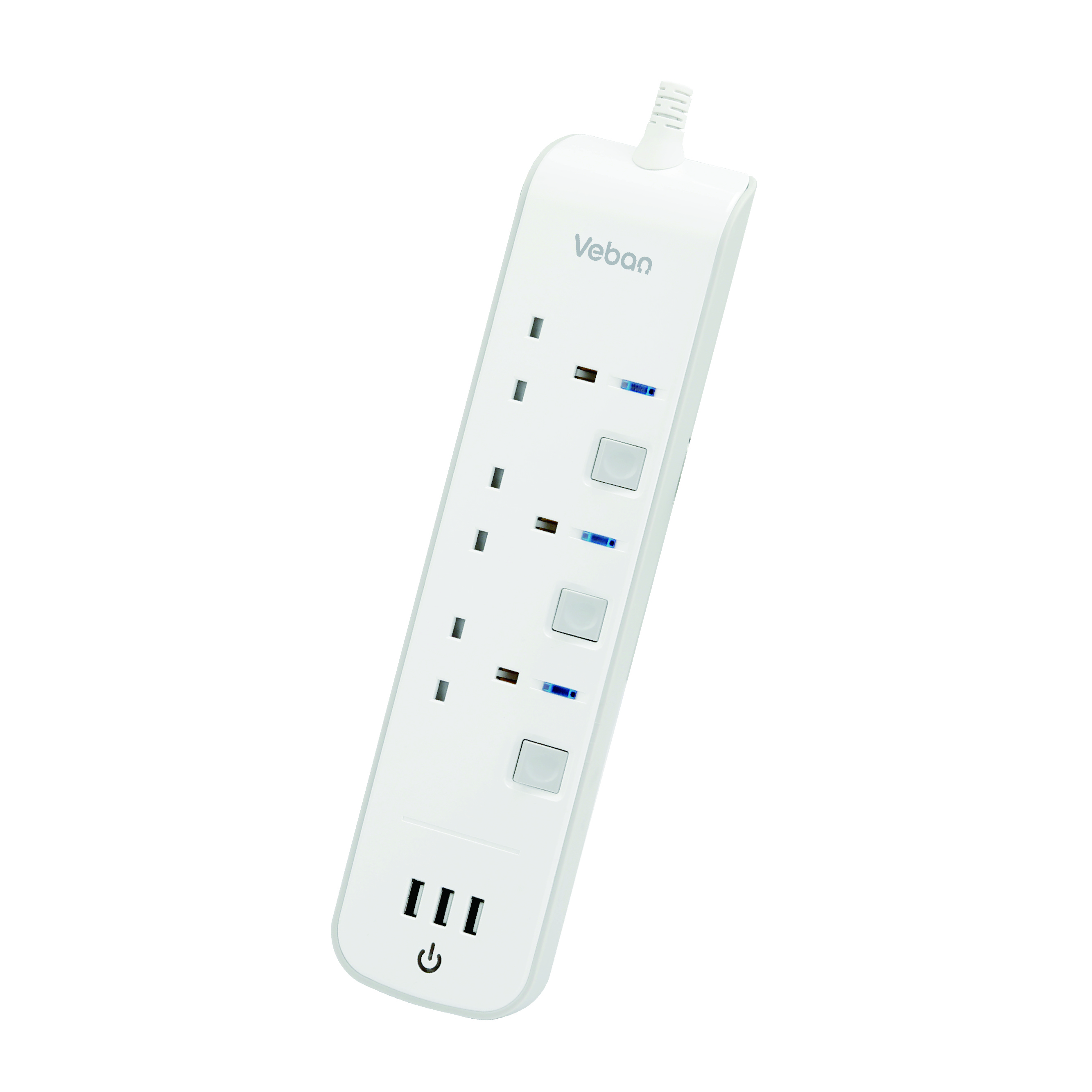
Direct manufacturer supply featuring BS 1363, Schuko CEE 7/3, and universal architectures configured with integrated circuit breakers, high-joule surge suppression, and USB PD fast charging.
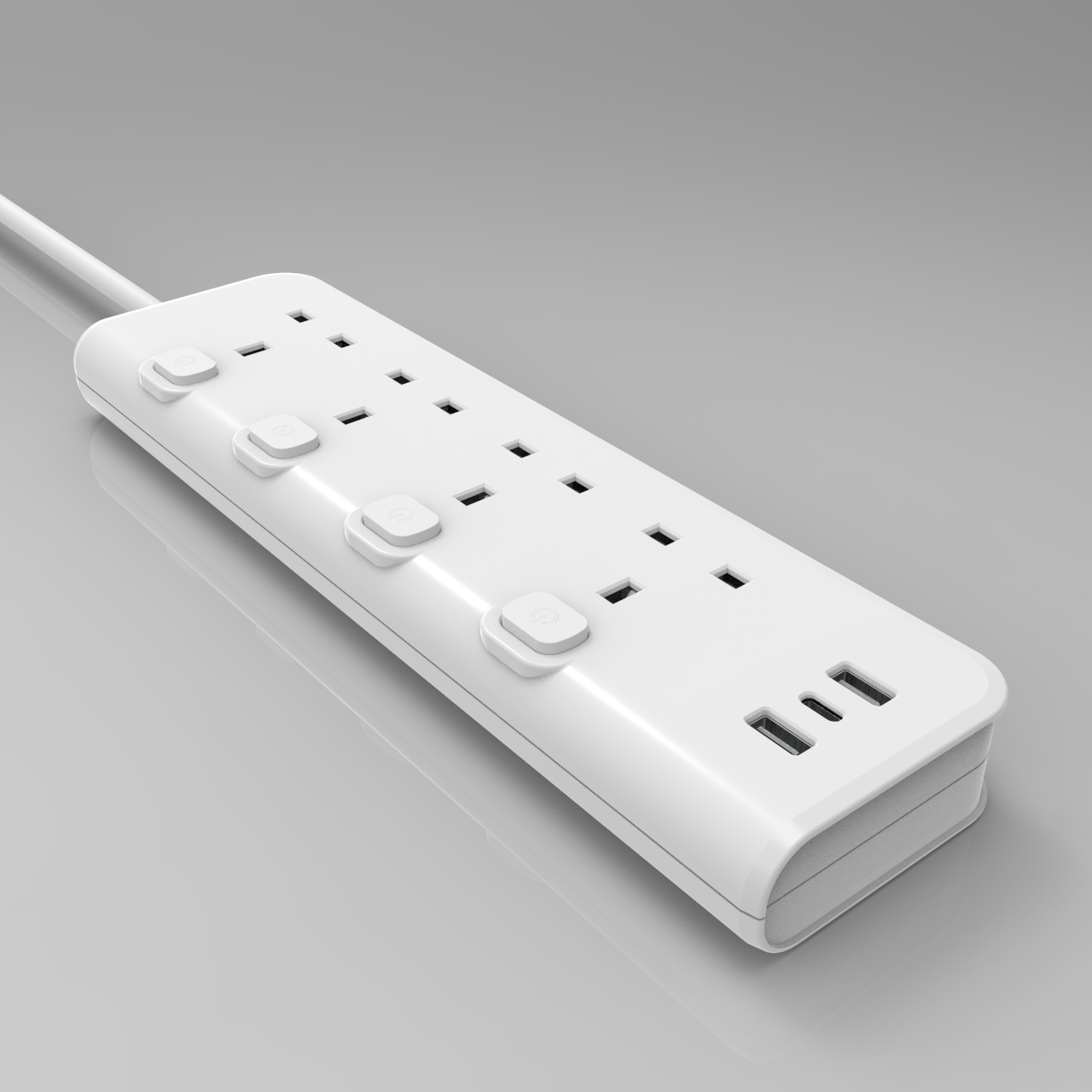
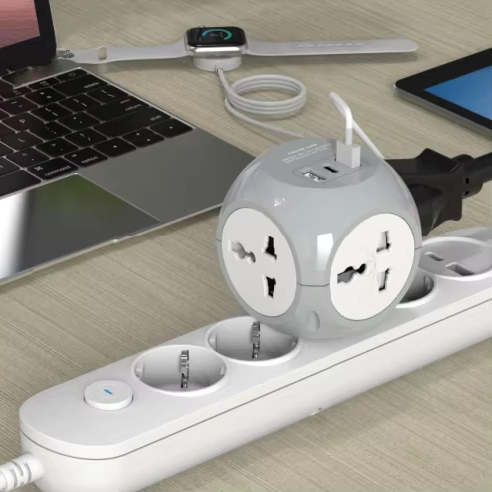
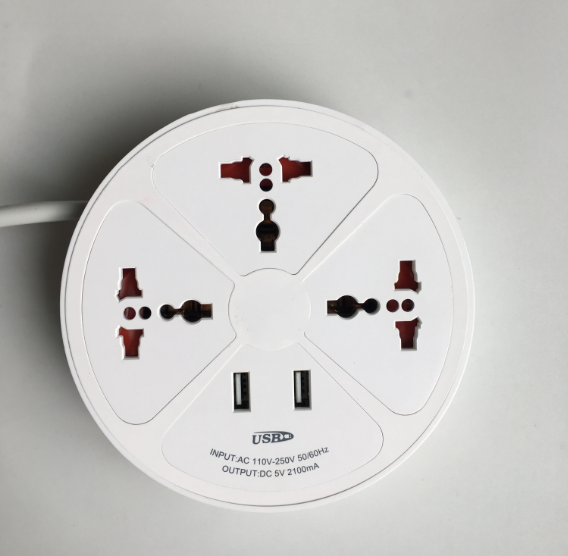
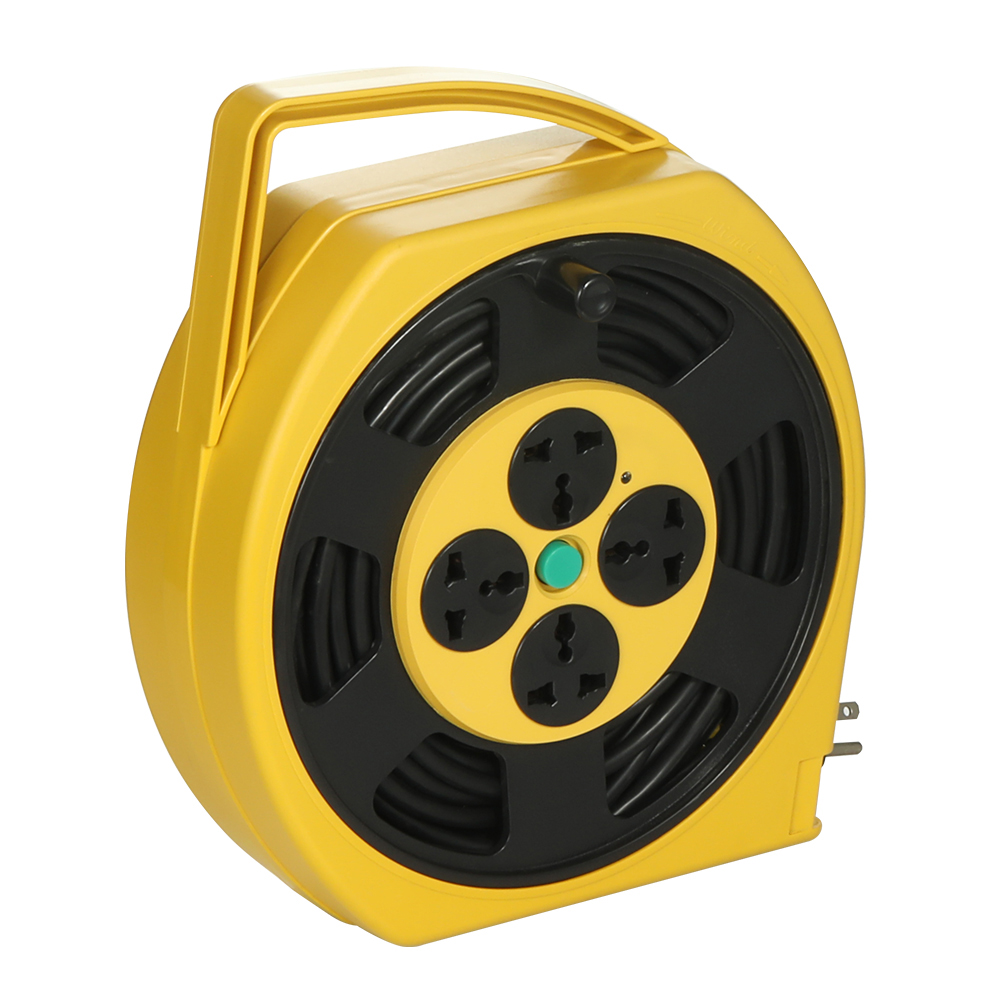
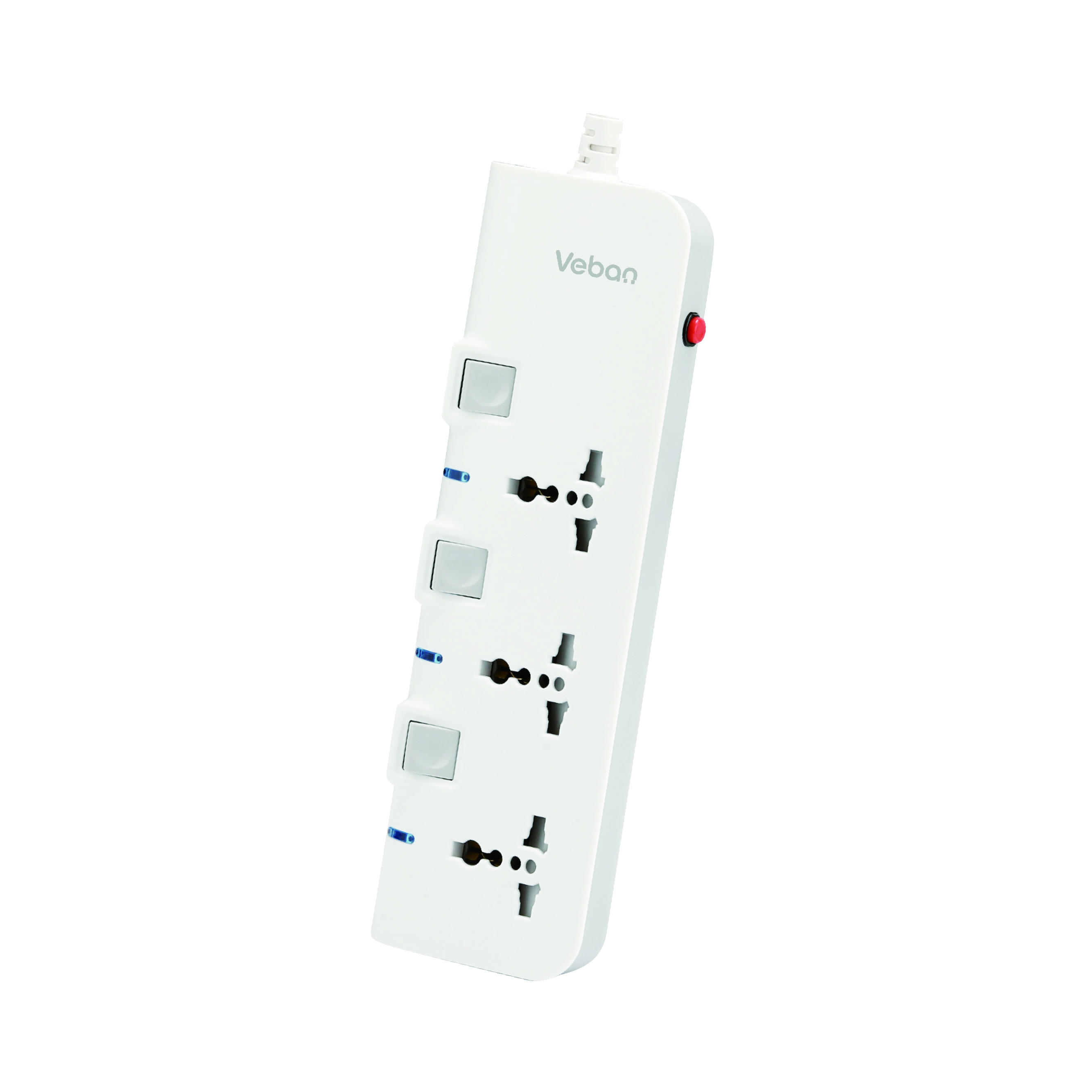
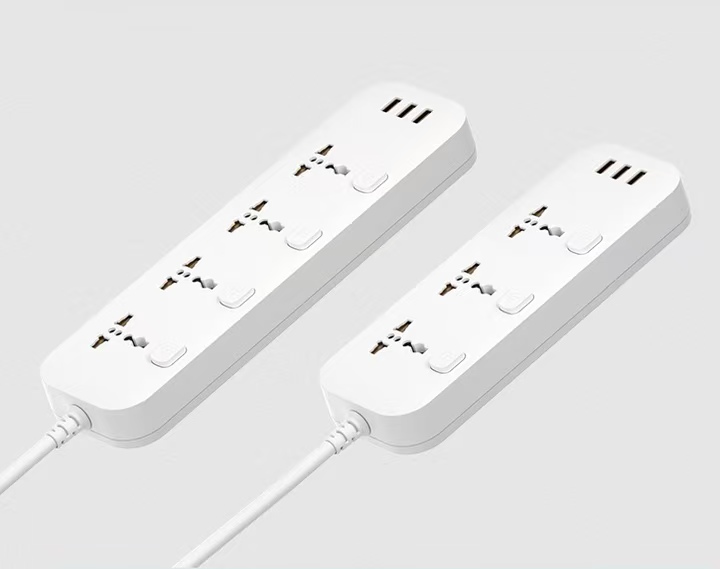
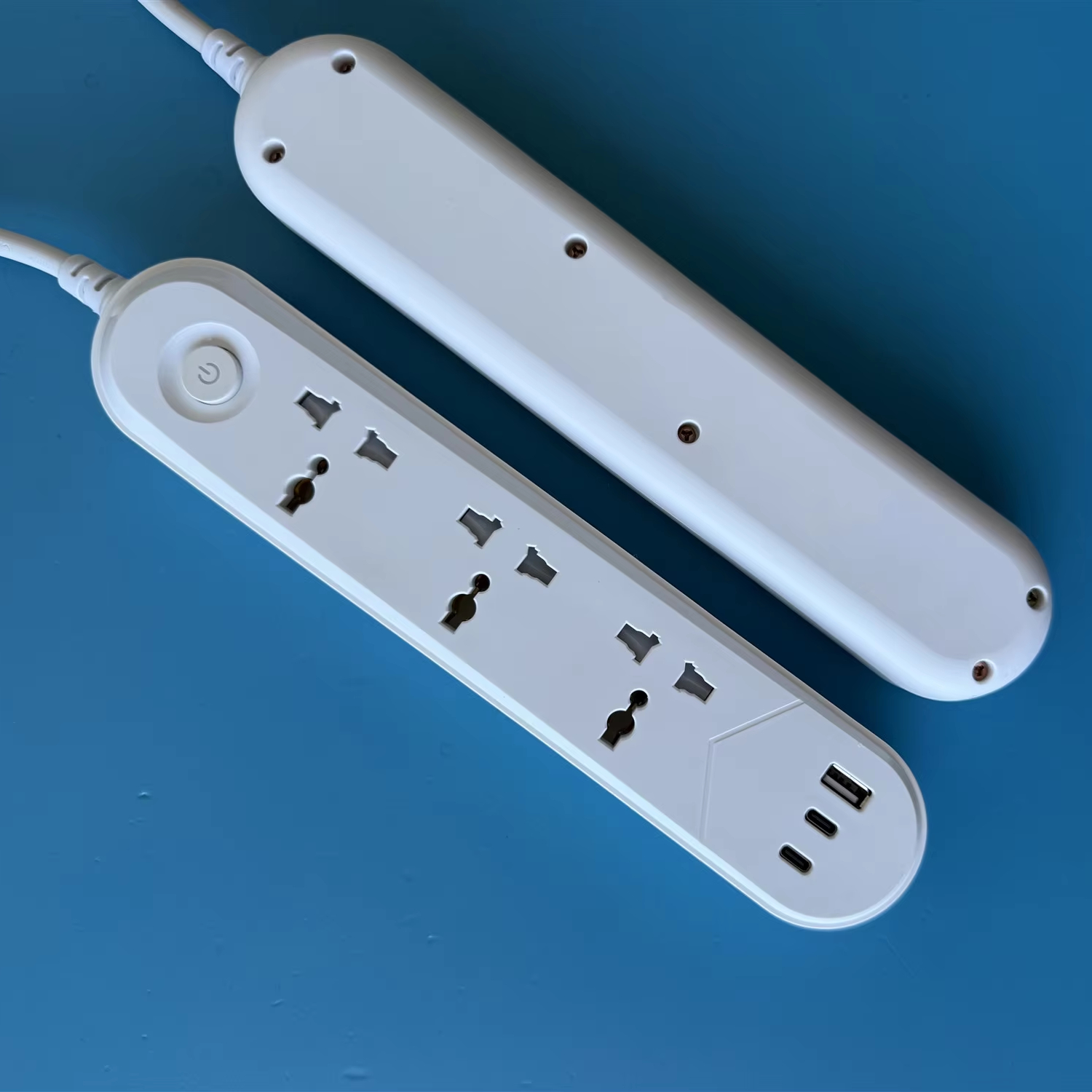
The global electrical extension lead and surge protector market has evolved from commoditized passive terminal blocks into highly engineered, intelligent power distribution units (PDUs). As commercial, industrial, and residential power density increases, international procurement managers, brand aggregators, and electrical wholesalers face mounting challenges. Critical factors include stricter regional electrical compliance (e.g., BS 1363-2, IEC 60884-1, UL 1363, and EN 61643-11), escalating copper raw material volatility, and rapid consumer migration toward integrated high-wattage GaN (Gallium Nitride) fast charging.
China remains the undisputed epicenter of international electrical accessory production, commanding over 75% of global power strip exports. Within this manufacturing ecosystem, localized industrial specialization determines competitive advantage:
To assist global category managers in evaluating potential OEM/ODM partners, the table below highlights the operational benchmarks and core competencies across the premier manufacturing tiers supplying North America, Europe, the Middle East, Southeast Asia, and Latin America.
| Manufacturer Tier / Entity | Primary Industrial Base | Core Product Focus | Certification Portfolio | Copper Architecture | B2B Sourcing Strengths |
|---|---|---|---|---|---|
| Cixi City Fenvo Technology Co., Ltd. | Cixi, Ningbo (China) | BS 1363 Strips, Cable Reels, Schuko Boards, GaN Strips | TÜV Onsite, CE, UKCA, GCC, ISO 9001 | Integrated Stamped Phosphor Bronze Busbar | Full in-house toolmaking, 31-yr industry experience, low MOQ test orders, direct Ningbo Port export. |
| BULL Group (OEM Division) | Cixi, Ningbo (China) | Domestic Residential & Premium Commercial Strips | CCC, CE, CB, RoHS | Automated Stamped Copper Strip | Immense production scale; longer lead times for custom bespoke private-label tooling. |
| Schneider Electric (Contract Ops) | Global / Regional Hubs | Enterprise PDUs, Industrial Surge Protection | UL, CSA, CE, VDE, KEMA | Engineered Busbar Matrix | Elite industrial brand equity; premium pricing tier suitable primarily for enterprise contracts. |
| Belkin International (OEM Partners) | Shenzhen / Vietnam | Consumer Electronics Desk Strips, Smart Plugs | UL 1363, CE, FCC, ETL | Hybrid Soldered / Copper Bar | Pioneering consumer ergonomics and GaN integration; high minimum production run requirements. |
| Brennenstuhl Group | Germany / China Partner Plants | Heavy-Duty Cable Reels, Site Power Strips | VDE, GS, CE, NF | Heavy-Gauge Brass Terminals | European DIY retail dominance; strict adherence to DIN VDE 0620 standards. |
| Huntkey Enterprise Group | Shenzhen, Guangdong (China) | PC Power Supplies, High-Joule Surge Strips | UL, CCC, CE, CB, PSE | Modular Copper Conductor | Robust R&D in power electronics; targeted toward IT hardware and consumer computing channels. |
| Legrand Electrical OEM | Huizhou / Global Facilities | Architectural Sockets, Desk Grommets, Strip PDUs | NF, CE, BS, VDE, UL | Machined Solid Busbar | Architectural aesthetic design; high tooling capital investment required for bespoke housings. |
| Chint Electrics OEM Div | Wenzhou, Zhejiang (China) | Building Sockets, Switched Multi-Way Boards | CE, CB, UL, EAC | Punched Copper Alloy | Deep vertical access to circuit breaker mechanisms and overload protector switches. |
| Tripp Lite by Eaton (Contract Lines) | Global / Taiwan Hubs | Hospital Grade Isolators, Rackmount PDUs | UL 60601-1, CSA, NOM | Heavy-Gauge Solid Copper | Specialized medical and server enclosure applications commanding strict compliance verification. |
| Gongdong / Zhejiang Specialty OEM Cluster | Yuyao / Cixi / Shenzhen | Private Label Retail Strips, Travel Multi-Plugs | CE, RoHS, REACH, GCC | Riveted / Welded Busbars | Highly agile custom branding; varying levels of quality assurance requiring strict onsite factory audit. |
When engineering high-reliability power distribution products, internal conductor topography is the single greatest determinant of operational lifespan, thermal dissipation, and short-circuit prevention.
Sub-standard or budget power strips often utilize internal point-to-point copper wiring connected by manual lead-tin soldering. This architecture presents critical vulnerabilities: manual soldering creates inconsistent joint resistance, which generates localized hot spots when subjected to 13A or 16A continuous loads. Over extended operational cycles, thermal expansion and mechanical vibration induce solder fatigue, risking open-circuit failure or catastrophic arcing.
In contrast, tier-1 manufacturers utilize continuous, high-precision stamped integrated copper alloy busbars (phosphor bronze CuSn6 or brass H62). As stamped from a single sheet of alloy, there are zero solder joints between consecutive socket outlets. Benefits include:
Housing integrity under high-heat electrical stress separates verified manufacturing plants from non-compliant suppliers. Tier-1 engineering demands engineering-grade Polycarbonate (PC) or Flame-Retardant Polypropylene (FR-PP):
Modern commercial and domestic applications demand multi-stage safety fail-safes. Quality suppliers incorporate Metal Oxide Varistor (MOV) surge blocks rated from 350 Joules to over 1,800 Joules, coupled with thermal fuses that permanently disconnect the line if the MOV experiences thermal runaway from continuous over-voltage clamping. For industrial cable reels, dual-metal bimetallic thermal switches are mandatory to prevent cable melting when operating under high loads while coiled.
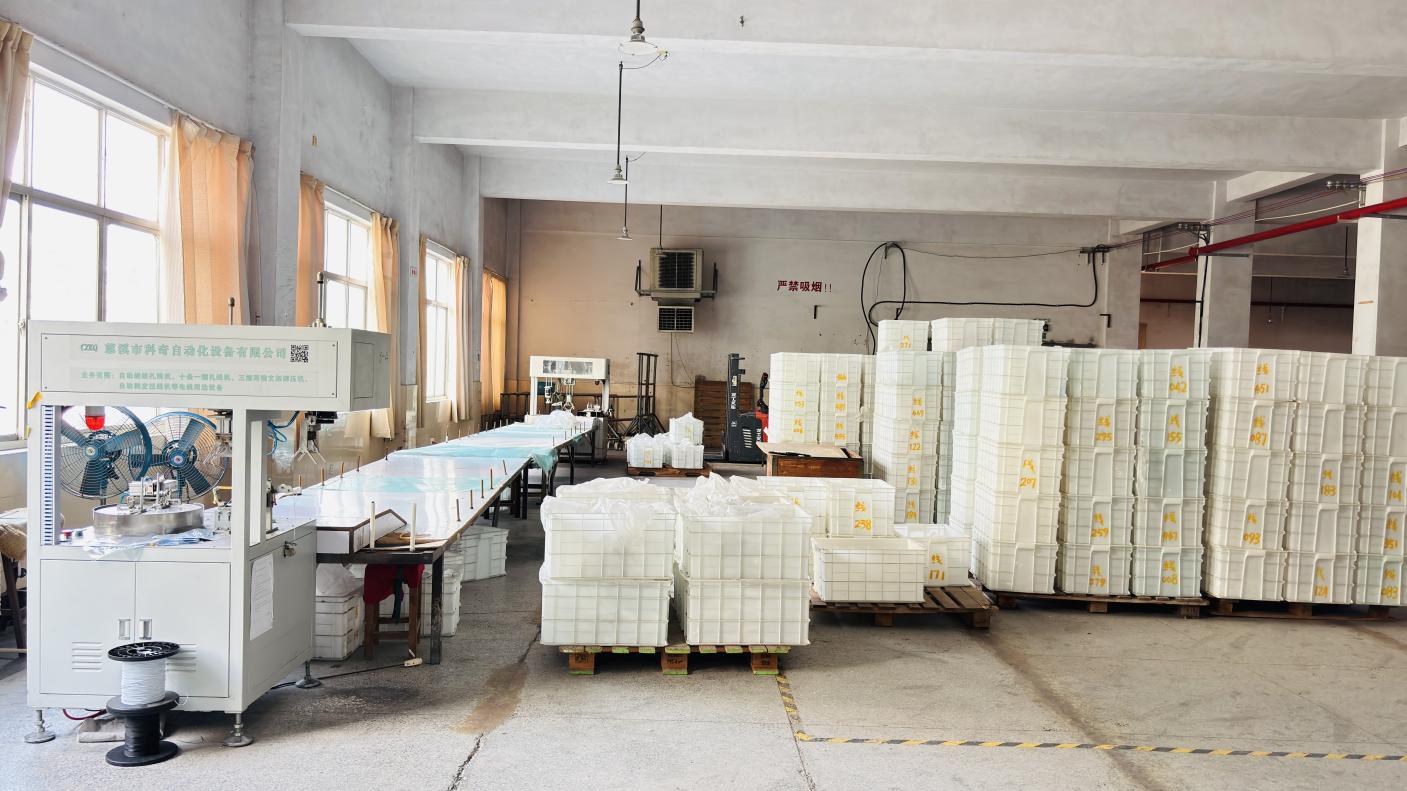
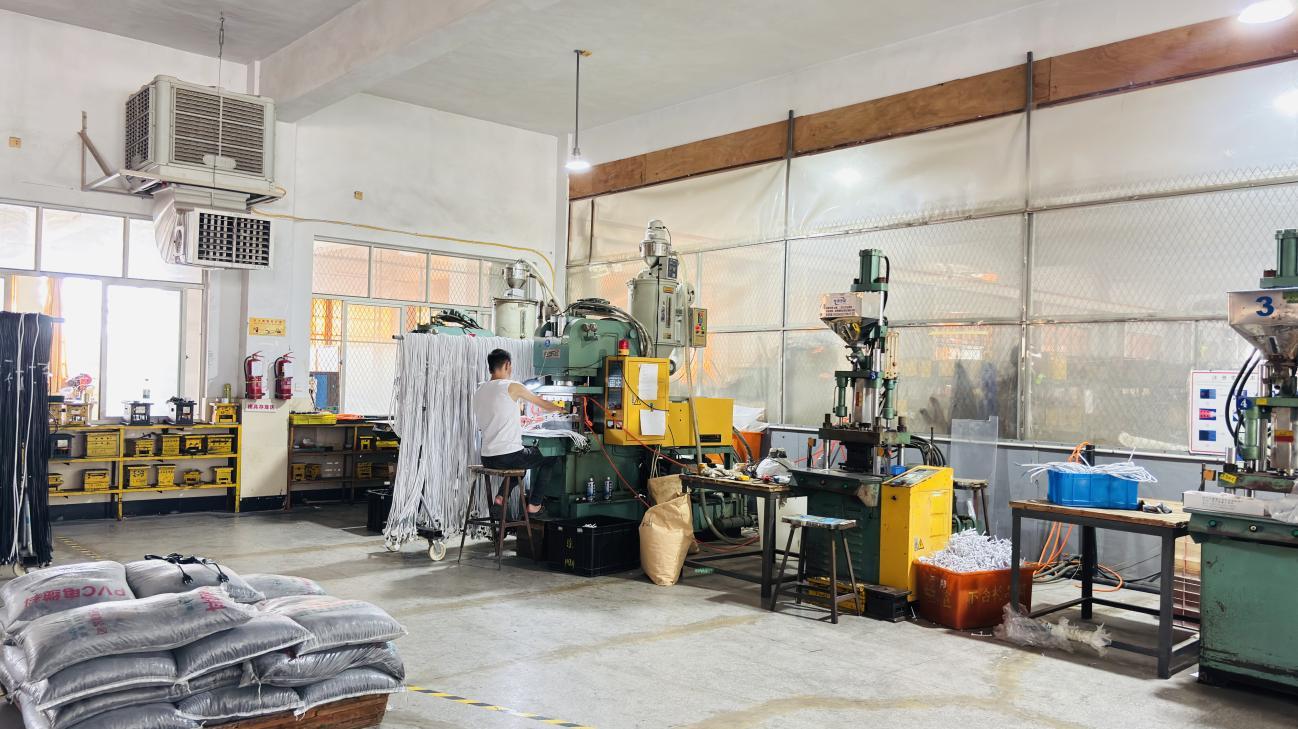
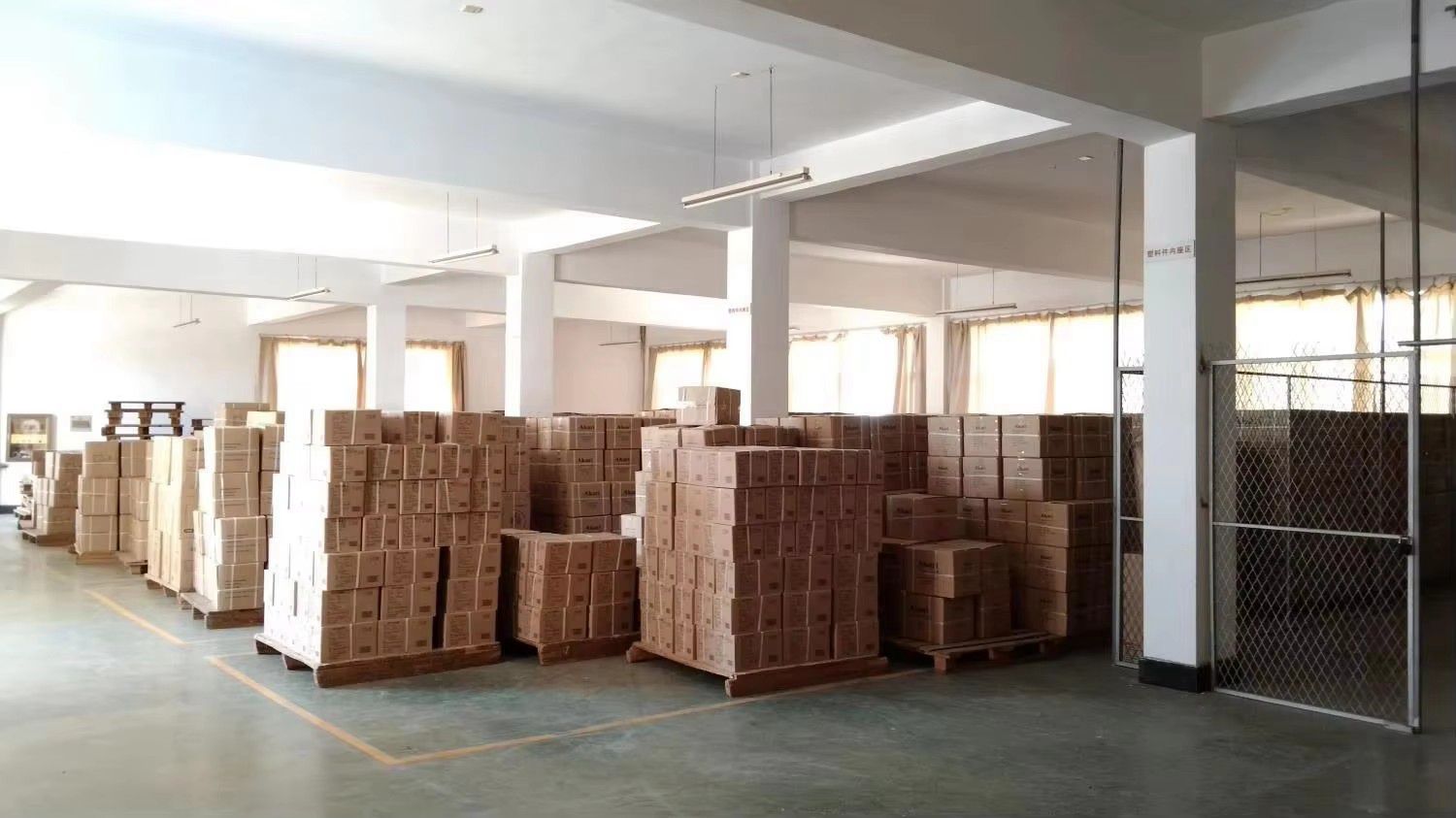
Direct from Cixi City Fenvo Technology Co., Ltd. — an ISO 9001 and TÜV Rheinland onsite-verified 4,587㎡ production plant operating 4 automated assembly and inspection lines.
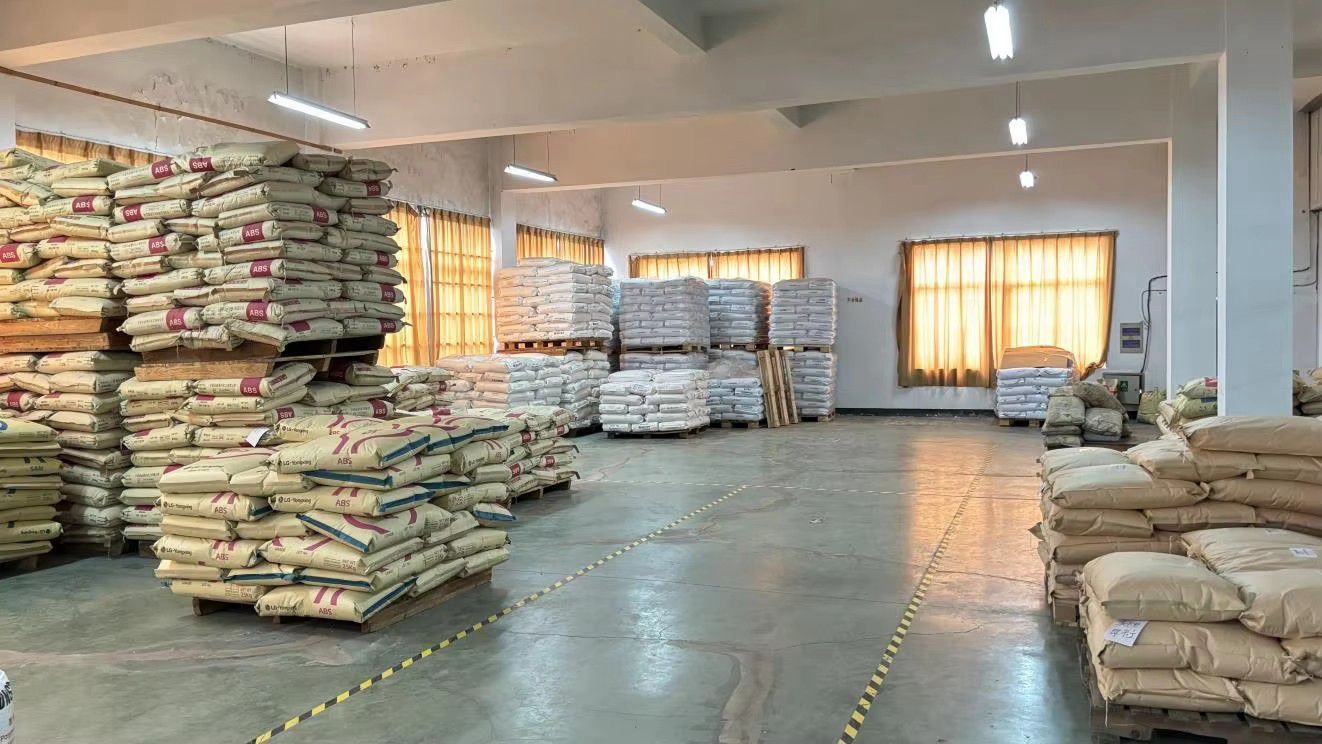
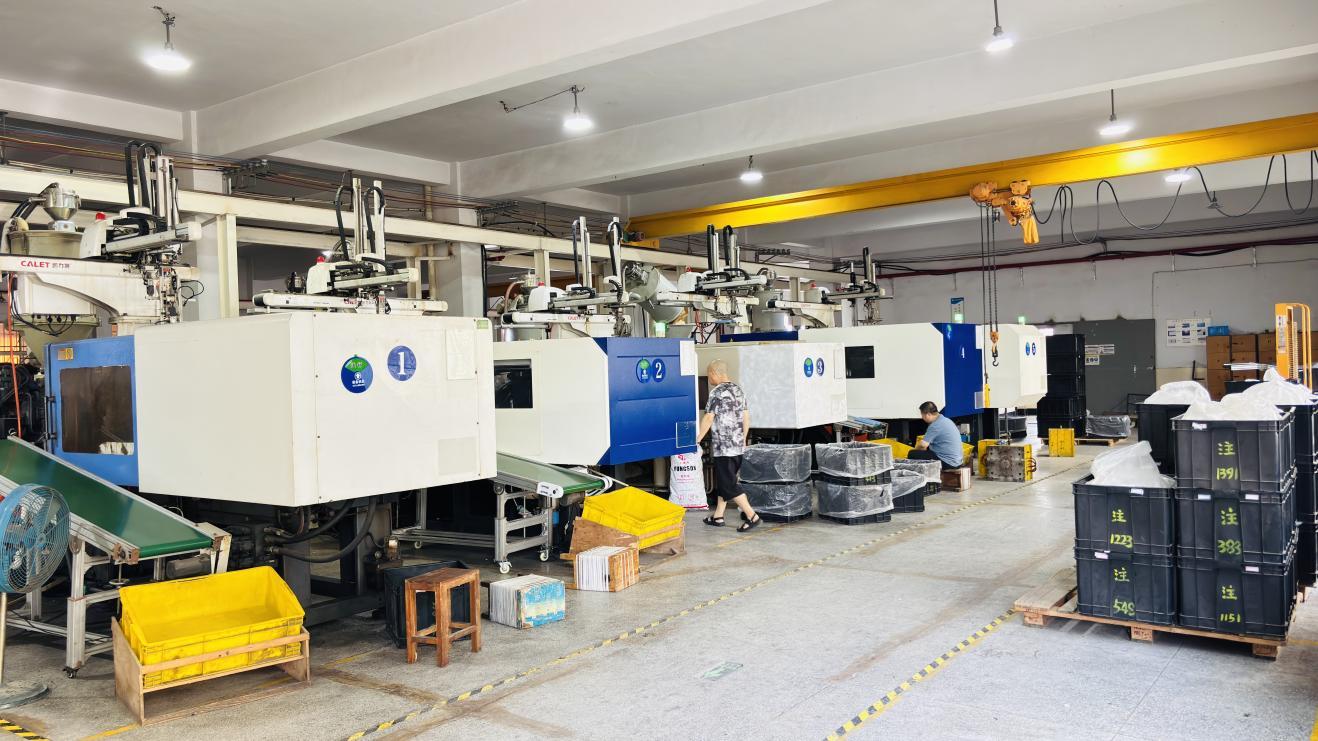
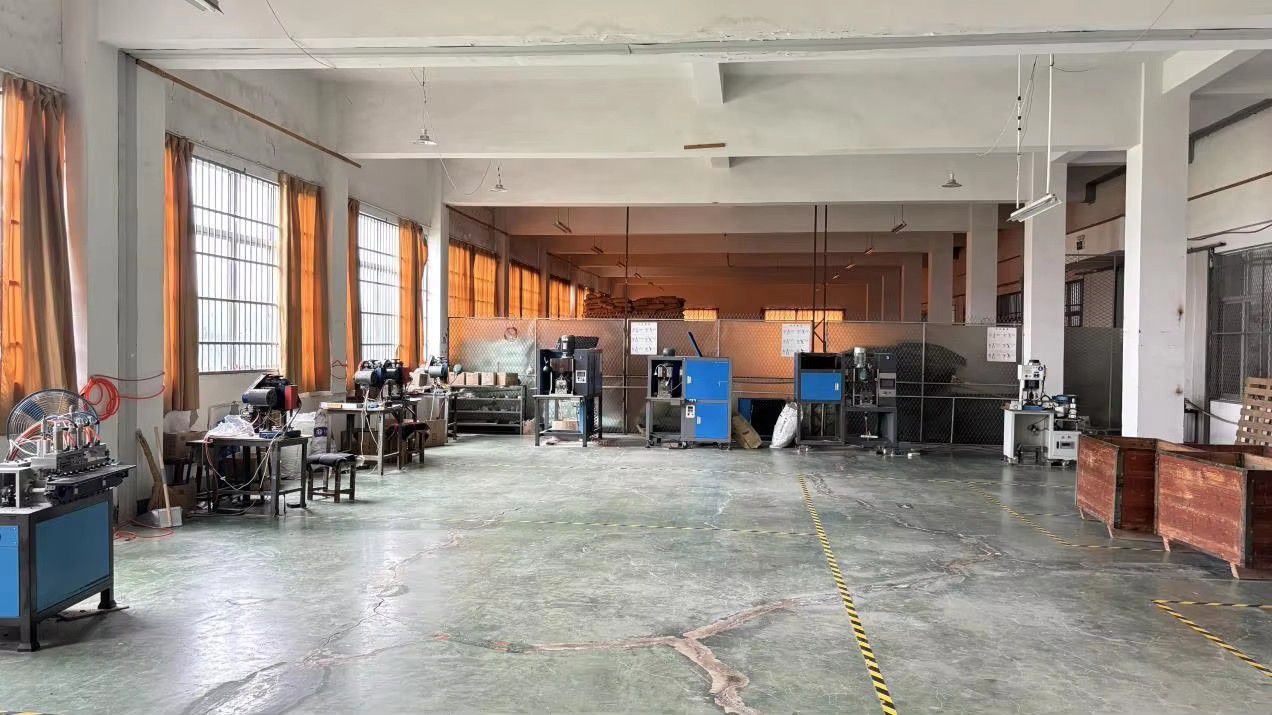
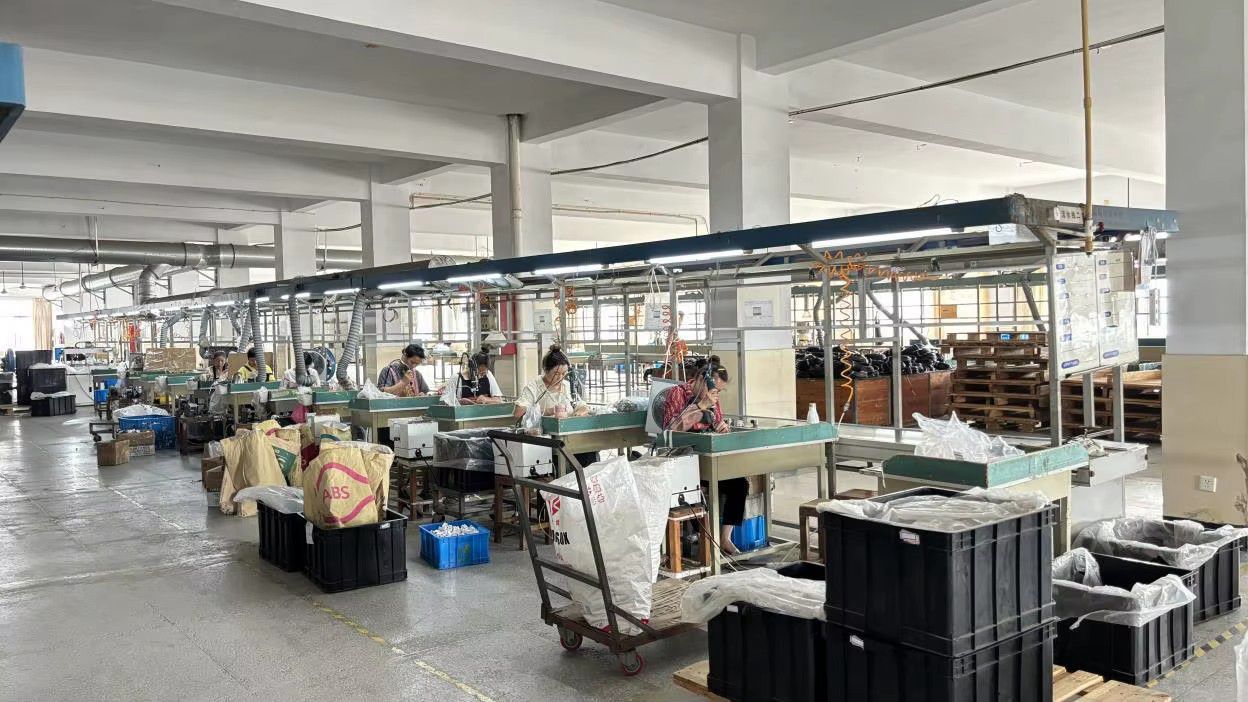

Strategic macro-trends redefining specifications, regulatory checks, and inventory velocity for international B2B importers.
Traditional 5V 2.1A transformer coils are obsolete. Modern commercial buyers demand integrated 45W, 65W, and 100W Gallium Nitride (GaN) modules powering laptops and mobile workstations directly via Type-C without standalone charging bricks. This requires advanced internal heat dissipation shields and dual-stage isolation PCBs compliant with IEC 62368-1.
The IoT power strip sector is transitioning from proprietary, isolated applications to unified Matter-compatible frameworks. Procurement protocols now prioritize dual-band WiFi/BLE chips supporting interoperability with Apple HomeKit, Google Home, Amazon Alexa, and Samsung SmartThings, featuring individual socket relay switching and live power metering.
With the enforcement of the UKCA regime in Great Britain, GCC conformity standards in the Middle East, and expanded ERP eco-design requirements across the EU, importers can no longer ship generic universal strips without territory-specific testing. Model-level Declarations of Conformity (DoC), valid laboratory test certificates, and factory audits have become baseline legal prerequisites.
Leading Western retailers (e.g., Kingfisher, Leroy Merlin, Home Depot) are standardizing post-consumer recycled (PCR) resin quotas for socket housings and mandating Halogen-Free Flame Retardant (HFFR) cabling. Halogen-free cables eliminate toxic halogen gas release during fire emergencies, addressing both human safety and ESG reporting metrics.
Traditional rectangular "in-line" power boards are giving way to omnidirectional power cubes, modular desktop clamps, and rotating socket bodies. These space-saving geometries solve socket blockage caused by bulky wall adapters while offering ergonomic additions like wireless Qi induction charging pads integrated into top housing panels.
A structured 5-stage verification audit protocol utilized by multinational procurement divisions before releasing purchase deposits.
Verify whether the supplier owns their injection molds and progressive metal stamping dies. Intermediary trading houses often lease molds across subcontracted workshops, resulting in erratic dimensional variations, inconsistent shutter tolerances, and unexpected lead-time disruptions.
Examine third-party onsite verification reports from internationally recognized testing houses such as TÜV Rheinland, SGS, or Intertek. Confirmation of physical site area, total headcount, factory-owned machinery, and valid ISO 9001 registration weeds out shell trading entities.
A legitimate power strip manufacturing plant must maintain an on-premise test laboratory equipped with: (a) Hipot / Dielectric withstand testers, (b) Temperature rise load test benches (operating at 1.1x rated current), (c) Plug insertion/withdrawal mechanical endurance fixtures, (d) Glow-wire and flammability test chambers, and (e) Cord flex testing apparatus.
Copper wire cross-sectional sizing is frequently cut by disreputable suppliers to reduce cost (e.g., stamping 3G1.5mm² on cables that actually measure 3G0.85mm²). Reliable factories enforce incoming electrical conductivity tests, copper conductor weight verification, and 100% pure electrolytic copper sourcing without steel or aluminum blends.
Quality procedures must mandate 100% routine end-of-line electrical testing for every finished piece: earthing continuity verification, polarity checks, insulation resistance under 500V DC, and automated shutter mechanical actuation. Sample testing is insufficient for electrical distribution equipment.
In-depth responses covering regulatory standards, minimum quantities, copper specifications, and freight handling.
Minimum Order Quantities depend directly on tooling customization, housing color matching, and packaging complexity. For standard off-the-shelf tooling with custom silk-screened client logos, MOQs generally start between 500 and 1,000 units. For specialized custom-molded Pantone resin housings, customized cable colors, or bespoke retail blister packaging, MOQs are typically 2,000 to 3,000 units to offset injection purge cycles and color batch compounding. For trial orders, select travel adapter models and cube extensions can be procured at smaller volumes (50 to 500 units) to validate local market acceptance.
Regulatory requirements vary strictly by jurisdiction:
United Kingdom: Power strips must comply with BS 1363-2 (specifying socket-outlets with shutter protection and 13A BS 1362 ceramic cartridge plug fuses). Verification under UKCA (UK Conformity Assessed) is mandatory, alongside RoHS compliance.
European Union: Sockets must align with national standards such as DIN VDE 0620-1 (Germany Schuko) or NF C 61-314 (France Type E). The Low Voltage Directive (LVD 2014/35/EU), Electromagnetic Compatibility Directive (EMC 2014/30/EU for USB-equipped models), RoHS, and REACH are legally enforceable for CE marking.
GCC / Middle East (Saudi Arabia, UAE, Kuwait, Oman): Products must secure GCC Conformity Marking (G-Mark) and comply with SASO / GSO standards, typically requiring certified SASO 2203 / BS 1363 configurations.
Continuous stamped copper alloy (phosphor bronze or high-conductivity brass) eliminates soldered wire joints between socket terminals. Manual solder joints represent points of elevated electrical resistance that degrade under high-current thermal expansion, leading to joint cracking, oxidation, excessive heat build-up, and potential fire hazard. A continuous stamped busbar offers consistent mechanical clamping force, lower internal electrical resistance (below 0.05Ω), superior current distribution across all outlets, and extended cycle life over 10,000+ insertions.
Direct conductor diameter measurement alone can be misleading if wire suppliers use Copper-Clad Aluminum (CCA) or excessive outer PVC sheath thickness. Importers should mandate electrical conductor resistance testing (measured in Ω/km at 20°C per IEC 60228 standards). For instance, a compliant 3G1.5mm² flexible annealed copper conductor must exhibit a maximum DC resistance of no more than 13.3 Ω/km. In addition, bare conductor strand counting, micrometer measurement of individual strand gauges, and scrapings verification ensure 100% pure electrolytic copper (OFHC) content.
When an extension cord remains wound around a reel drum during operation, the coiled wire behaves like an air-core inductor while simultaneously preventing natural convective and radiative heat dissipation. Under heavy current draws (e.g., 2,500W to 3,500W for heaters, welders, or power tools), internal heat accumulates rapidly in the inner coil layers. This thermal accumulation can melt the PVC/rubber insulation, causing catastrophic phase-to-neutral short circuits. Compliant cable reels always state dual power ratings (e.g., 1,000W fully coiled vs. 3,000W fully uncoiled) and must incorporate a manual-reset bimetallic thermal cutout switch to trip the circuit before critical ignition temperatures are reached.
Standard B2B international practice for customized OEM electrical hardware is 30% T/T deposit upon purchase order confirmation and tooling sign-off, with the remaining 70% balance paid against the presentation of the Bill of Lading (B/L) copy following final pre-shipment inspection (PSI) sign-off. For larger container volumes or established annual supply contracts, Irrevocable Letters of Credit (L/C at sight) are standard. Most Ningbo-cluster suppliers ship on an FOB Ningbo or FOB Shanghai basis, providing buyers full logistics control over ocean freight bookings, container consolidation, and customs clearance agents.