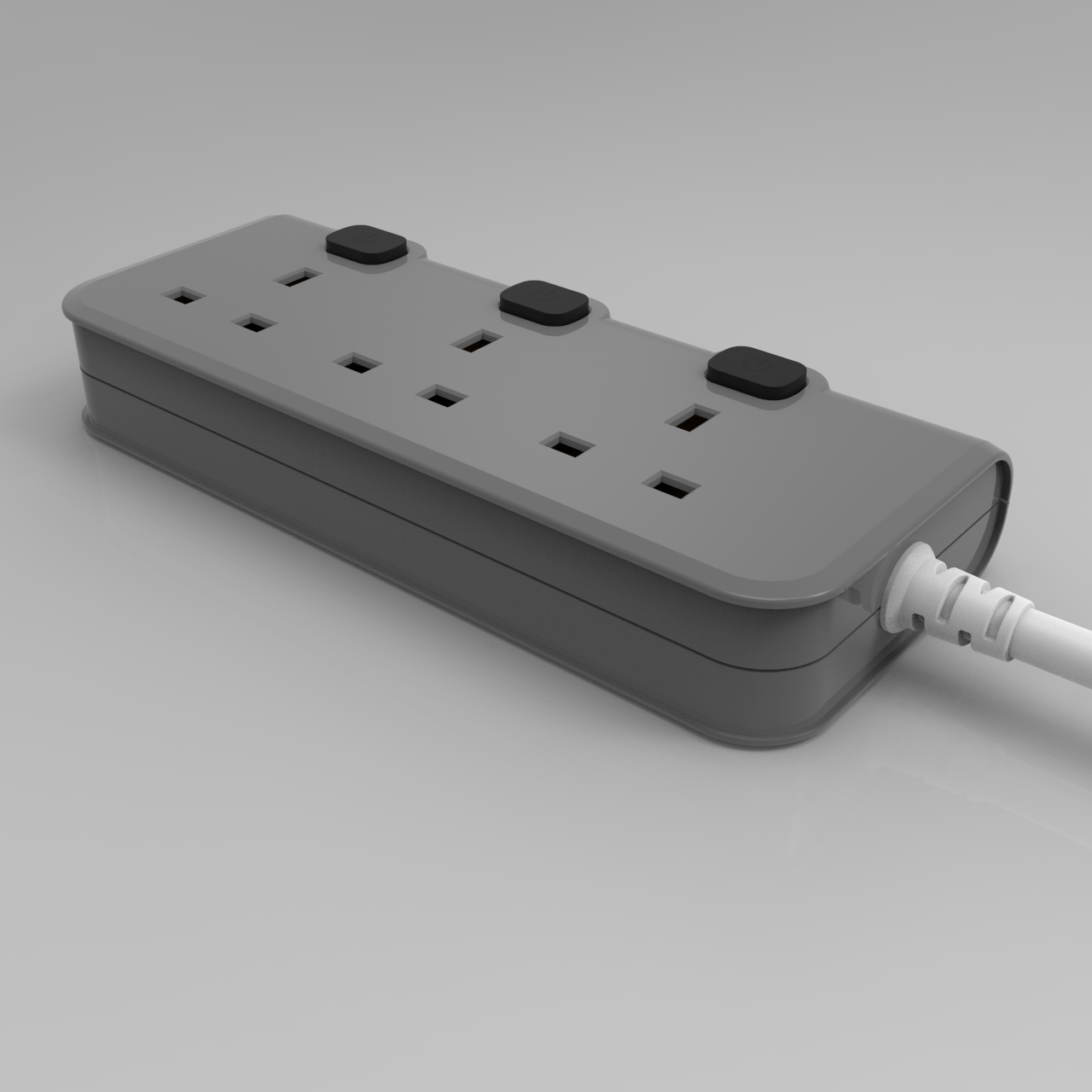
BS 1363 / Surge
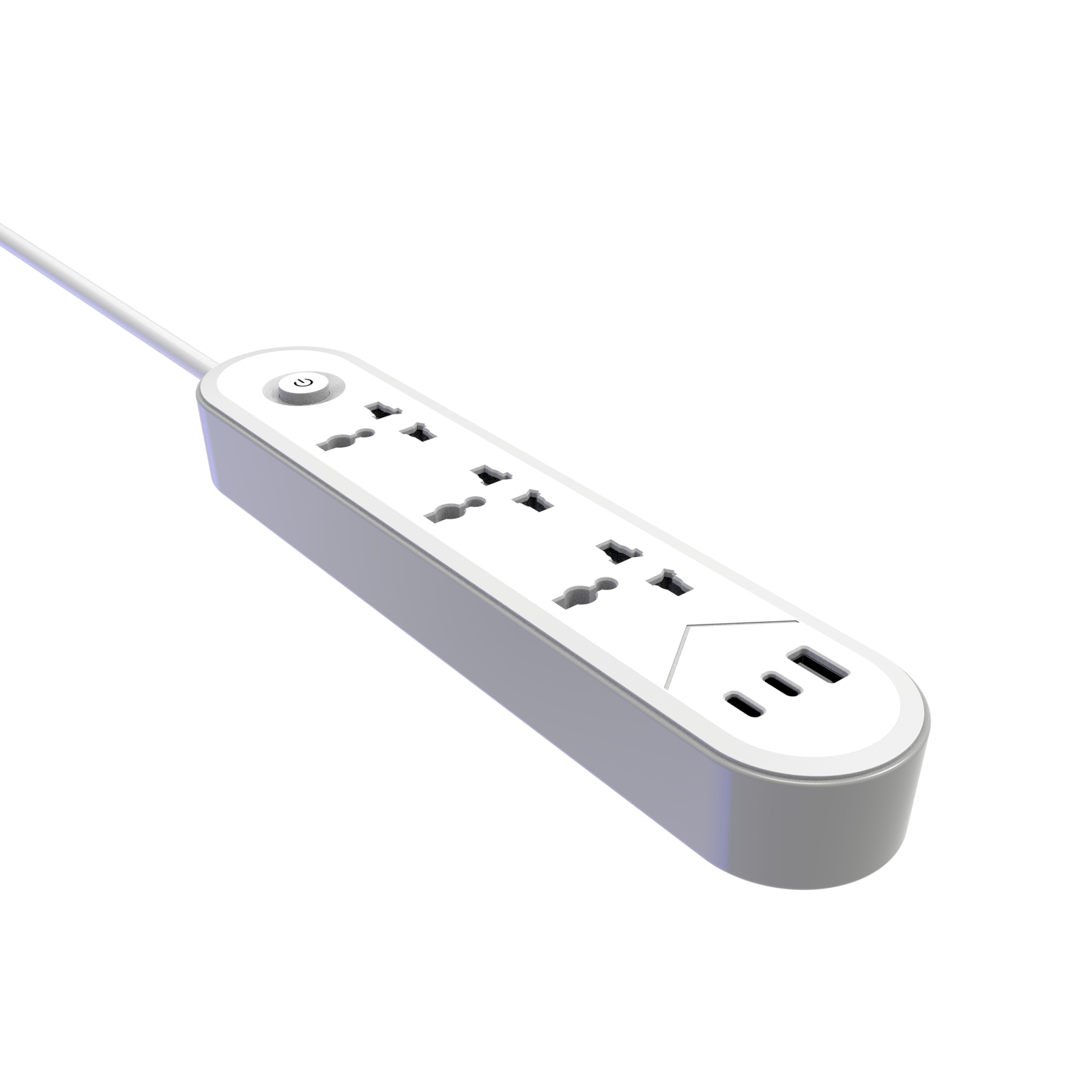
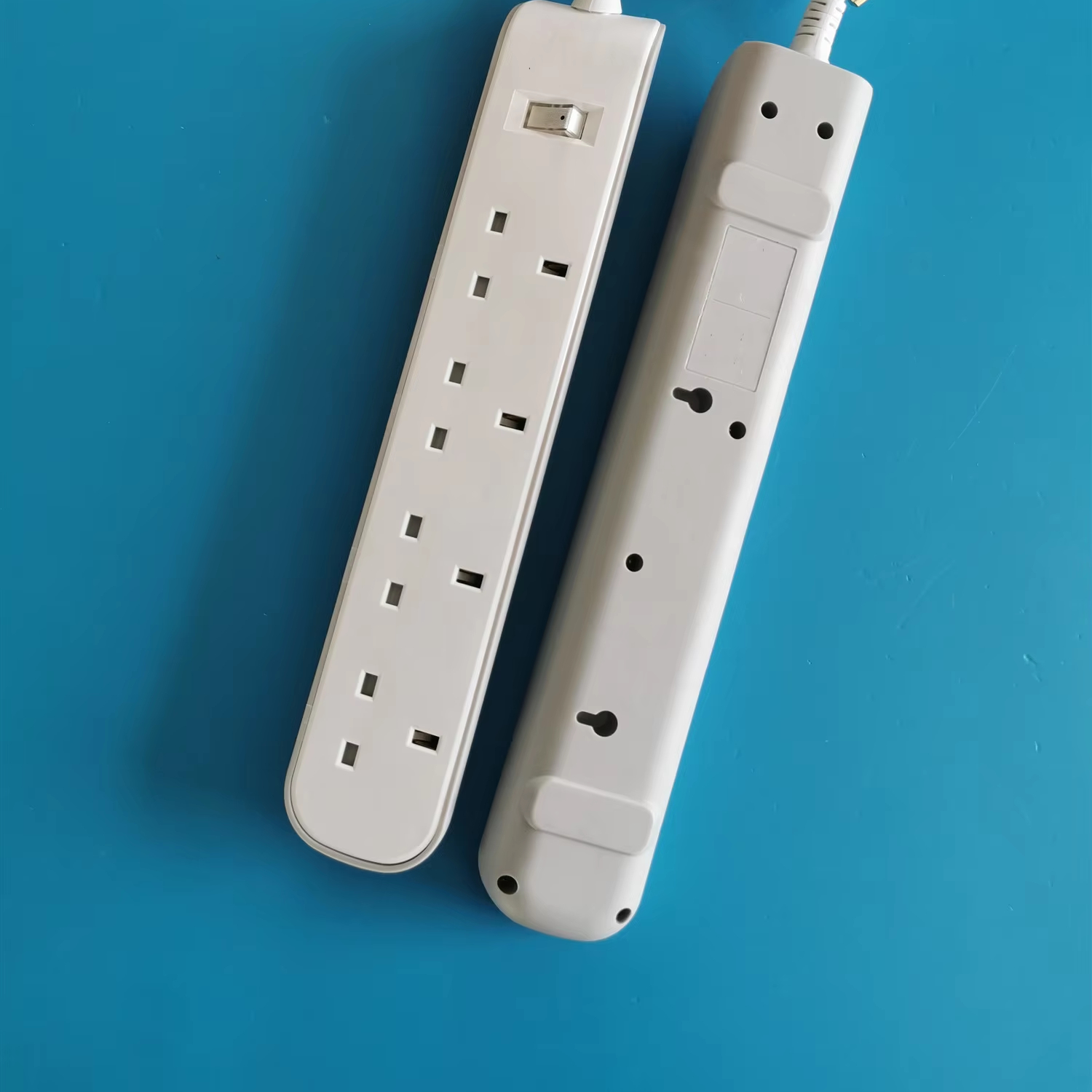
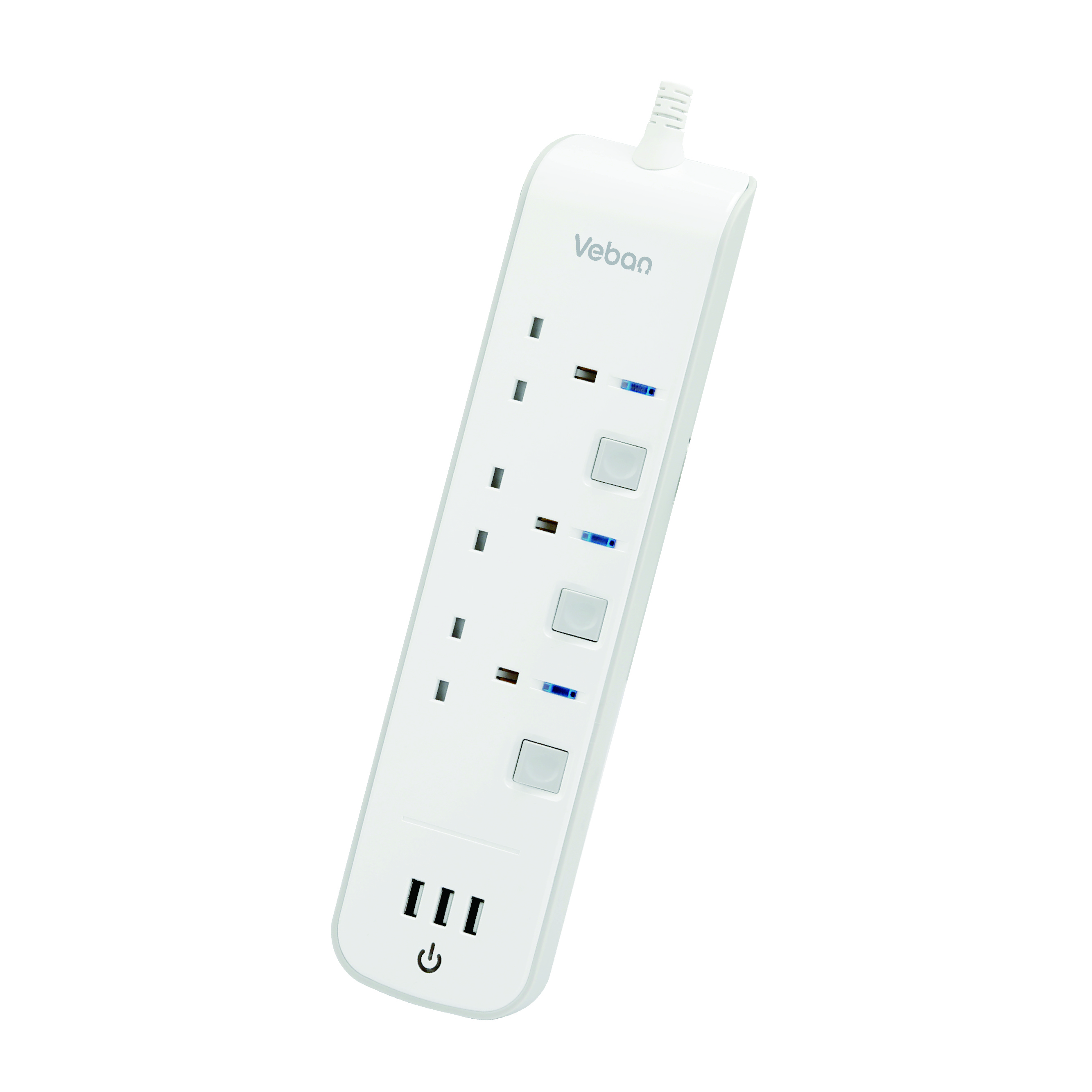
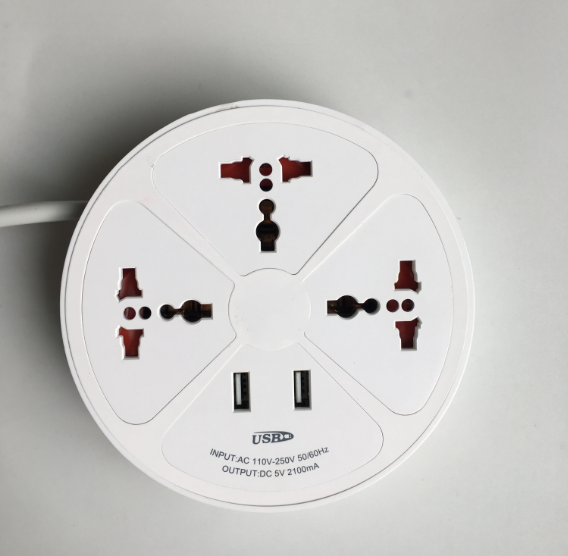
UK Outlets Extension Socket Power Strip Separate Switch Controlled 3 Ways Extension Cable Surge Protection
Individually Switched
13A Fused
MOV Surge Bar
Engineered for global standard conformity (BS 1363, CEE 7/4, IEC 60884-1). Directly fabricated from virgin fire-proof polymers and integrated single-copper strip conductive structures.
A technical teardown of manufacturing tiers, internal conductive architecture, and regional regulatory clearance parameters for supply chain directors.
In electrical hardware sourcing, the designation "supplier" encompasses two distinct operating models: fully vertical manufacturing plants and decentralized packaging contractors. Procurement risks escalate rapidly when working through trading entities lacking internal injection molding or punching infrastructure. When high-volume demands require custom tooling, third-party brokers inevitably increase lead times by 35% to 50% and obfuscate thermal test discrepancies.
A true OEM tier-1 power cord factory controls the upstream processing of conductor drawing, PVC/rubber compound formulation, terminal crimping, and automated overmolding. For example, Cixi City Fenvo Technology Co., Ltd. controls the manufacturing lifecycle from raw engineering polymers to automated terminal stamping. Controlling these processes eliminates variable internal resistance, terminal annealing defects, and contact degradation under continuous thermal loads.
| Evaluation Parameter | Tier 1 Direct Factory (e.g., Fenvo Standard) | Tier 2/3 Assembly Workshops | Trading Intermediaries |
|---|---|---|---|
| Internal Conduction | One-piece punched Phosphor Bronze / Copper bar | Hand-soldered multi-strand copper wire leads | Varies / Often unmonitored sub-tier sources |
| Housing Integrity | Virgin V-0 Flame Retardant PC/PP (750°C Glow-wire) | Recycled regrind plastics (susceptible to cracking) | Generic mixed-resin compounds |
| Testing Protocol | In-house automated lab (Hi-pot, pull-force, flexure) | Spot checking with basic multimeter circuits | Paper review only; relies entirely on factory claims |
| Compliance Chain | Original Test Certificates (TÜV Rheinland, UKCA, GCC) | Derived certificates or expired laboratory passes | Transferred third-party documentation |
| Tooling & Mold Control | Onsite CNC tooling centers with dedicated patent retention | Rented / third-party shared injection molds | Zero mold ownership; changes with market prices |
Modern electrical regulations, including British Standard BS 1363-2 and European VDE guidelines, strictly evaluate the temperature rise of outlet contacts under full 13A/16A resistive loading. Conventional extension leads utilize stranded copper wires hand-soldered to separate socket terminal leaves. This approach introduces multiple points of thermal vulnerability:
1. Cold Solder Joints: Automated soldering of terminal leaves is rare in small workshops; manual variations create localized resistance spikes exceeding 150 mΩ.
2. Thermal Stress Relaxation: Brass socket clips experience metallurgical relaxation after thousands of insertion cycles, resulting in poor grip strength and arcing.
3. Integrated Copper Bar Advantage: Advanced manufacturers stamp an integrated strip of continuous phosphor bronze (CuSn6 or equivalent). Eliminating internal solder joints ensures uniform conductivity, reduces contact heating by up to 18°C under continuous 3,250W load, and guarantees mechanical contact retention beyond 15,000 insertion cycles.
How GaN architecture, circular economy mandates, and smart commercial energy telemetry are redefining power distribution specifications.
Traditional transformer-based USB modules built into power strips dissipate excessive heat, degrading internal capacitors within 24 months. Modern procurement contracts now mandate integrated Gallium Nitride (GaN) fast-charging stages. Delivering 45W to 100W USB-C Power Delivery directly through the primary strip housing eliminates bulky exterior adapters while maintaining thermal limits beneath 65°C under continuous draw.
The European Union's Corporate Sustainability Due Diligence Directive (CSDDD) and revised RoHS/REACH thresholds now penalize high-carbon virgin polymers. Commercial buyers must select suppliers capable of compounding up to 35% Post-Consumer Recycled (PCR) polycarbonates without sacrificing UL 94 V-0 flame-retardant performance or yellowing resistance under ultraviolet exposure.
Standard switched strips are being replaced by IoT-enabled smart power distribution units for commercial office fit-outs and residential systems. Incorporating micro-current sensing shunts, Zigbee/Matter protocols, and app-based circuit telemetry allows facility managers to monitor phantom loads, prevent circuit overloads, and track precise kilowatt-hour metrics at the individual port level.
From our 4,587㎡ advanced manufacturing facility in Cixi, Ningbo, we eliminate the supply chain risks typical of secondary trading vendors.
Our production facilities, high-capacity machinery, operating personnel, and ISO 9001 quality management workflows are physically audited and certified onsite by TÜV Rheinland specialists, providing verified operational transparency.
Equipped with specialized high-tonnage injection molding stations, automated copper punching machinery, and digital cable coiling lines, yielding up to US$10M in annual exports while shipping 91% to 100% of volume to international markets.
Products are engineered and documented to meet strict market access criteria: UKCA for Great Britain, CE/LVD/EMC for the European Economic Area, and full GCC certification for Saudi Arabia, UAE, and the wider Gulf region.
Backed by over two decades of custom tooling engineering. We support end-to-end prototyping, tooling design, custom housing color matching, tailored cable cross-sections, and localized retail blister/color-box packaging.
Every batch is subjected to rigorous internal laboratory verification: 3,750V dielectric high-pot withstand tests, 10,000-cycle plug insertion fatigue assessments, cable flexing stress analysis, and 750°C glow-wire chamber validation.
Situated in Guanhaiwei Town, Cixi—the heart of China's electrical socket cluster—our factory is positioned for efficient FOB transit through Ningbo-Zhoushan Port, reducing freight handling risks and domestic transport costs.
A reference guide compiled by Fenvo’s technical compliance group to simplify regulatory planning across key import markets.
| Target Destination | Plug / Socket Configuration | Voltage / Frequency | Mandatory Safety Standards | Recommended Conductor Spec |
|---|---|---|---|---|
| United Kingdom & Ireland | BS 1363 (Type G) rectangular 3-pin | 230V, 50Hz | BS 1363-1/-2, UKCA Marking | 3G 1.25 mm² or 3G 1.5 mm² H05VV-F |
| Continental Europe (Germany, Nordics) | CEE 7/4 (Schuko Type F) or Type E | 230V, 50Hz | EN 60884-1, CE LVD / EMC, RoHS | 3G 1.5 mm² H05VV-F |
| Gulf Cooperation Council (GCC) | Type G sockets (SASO 2203 / GSO) | 220–240V, 50/60Hz | GCC G-Mark, SASO COC, IEC 60884 | 3G 1.5 mm² High-temp rated |
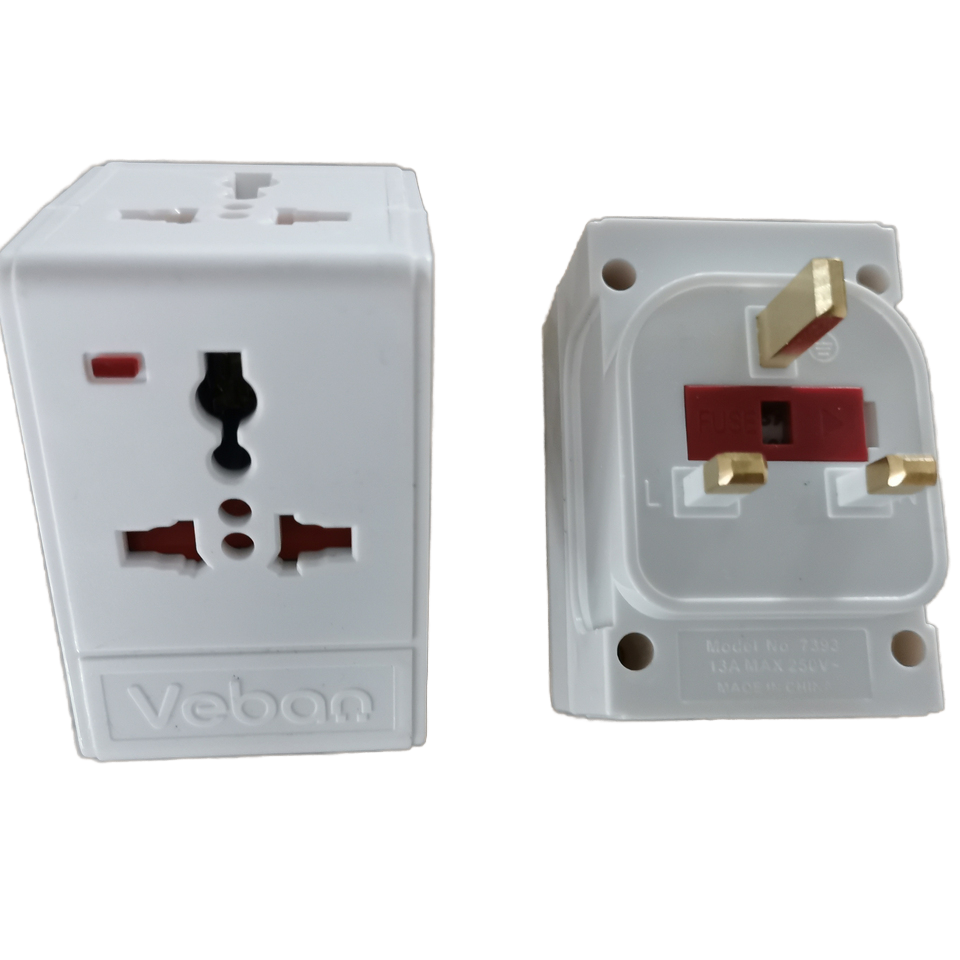
| Southeast Asia & Latin America | Universal multi-configuration socket | 110–240V, 50/60Hz | CE, IEC standards, national homologation | 3G 1.0 mm² or 3G 1.5 mm² |
| North American Commercial | NEMA 5-15R (Type B, 3-prong) | 120V, 60Hz | UL 1363 / UL 1449 (Surge PDU) | 14 AWG to 12 AWG SJT / SJTW |
Addressing operational requirements, quality control routines, and procurement policies for new and prospective partners.
Standard catalog orders for power strips start at 500 to 1,000 units depending on the housing mold. Specialized industrial cable reels usually begin at 100 to 500 units, while small travel adapters start from 50 pieces. Custom-logo pad printing and tailored retail packaging are integrated directly at the base product MOQ thresholds.
Stamped single-bar copper architecture eliminates internal solder joints—the primary point of heat build-up and resistance failure. It ensures uniform structural integrity under high electrical loads, maintains clamping pressure over more than 10,000 plug cycles, and meets stringent European and UK fire safety standards.
Customs seizures and product recalls usually result from: (1) using copper-clad aluminum (CCA) rather than pure oxygen-free copper, causing cable overheating; (2) using recycled sub-standard plastics that fail 750°C glow-wire flammability testing; and (3) missing internal child-resistant shutter mechanisms required by BS 1363 and EN standards.
Every shipment is backed by laboratory-issued Declarations of Conformity (DoC), authentic CE, UKCA, and GCC certificates where applicable, and comprehensive factory pre-shipment inspection (PSI) test reports detailing Hi-pot safety, grounding continuity, and dimensional measurements.
Tightly coiled wire functions as a thermal choke with reduced heat dissipation. Under heavy electrical loads (above 1,000W), internal heat can build up quickly, melt PVC jacketing, and cause core short-circuits. Standard ratings specify 1,000W when coiled and 3,000W+ when fully extended; built-in thermal cut-out switches are recommended for added safety.
We work with international B2B buyers under FOB Ningbo Port terms using standard T/T (telegraphic transfer) and irrevocable L/C at sight. We provide comprehensive export container loading calculations to maximize cubic meter (CBM) utilization and lower landed freight costs.
Whether you require customized private-label tooling, custom cable cross-sections, or compliance advice for regional tenders, Fenvo’s technical sales team delivers actionable quotations within 24 hours.