
Industrial Whitepaper: Navigating the Global Electrical Extension Board Supply Chain
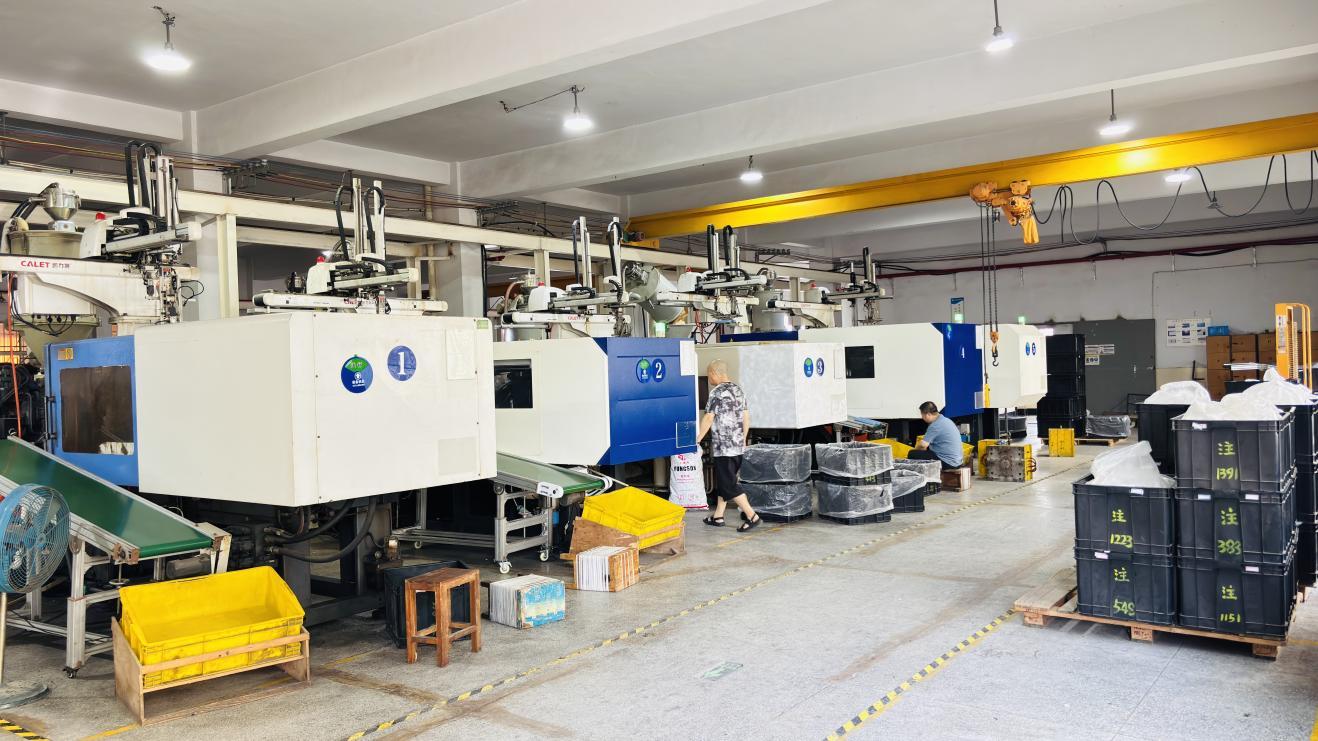
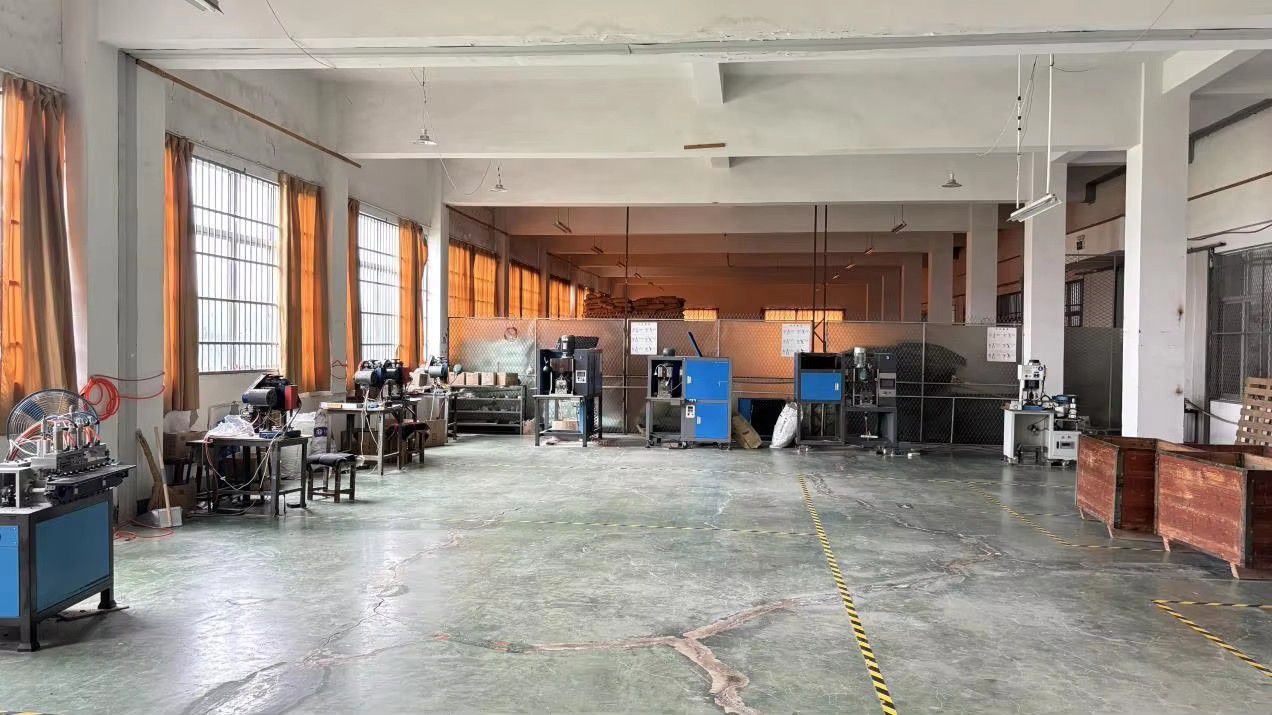
The global electrical extension board and power distribution market has shifted from basic utility hardware to safety-critical, smart-integrated power systems. For international procurement specialists, electrical importers, and brand principals, sourcing from a China top electrical extension board factory requires an analytical evaluation of metallurgic consistency, tooling tolerance, high-voltage endurance, and evolving compliance mandates like BS 1363-2, IEC 60884-1, and UL 1363. Operating at the core of Ningbo's electrical manufacturing cluster in Guanhaiwei Town, Cixi City Fenvo Technology Co., Ltd. demonstrates the technical excellence demanded in modern OEM/ODM partnerships.
Core Technical Paradigm: Stamped Integrated Copper Bar vs. Wire Soldering
In low-tier manufacturing, extension boards are frequently assembled using manual wire-soldering techniques, linking individual brass terminal clamps with stranded PVC wires. This outdated assembly introduces critical vulnerabilities: solder joint oxidation, high contact impedance, and thermal degradation under continuous 13A or 16A inductive loads.
Tier-one engineering replaces this vulnerability with an integrated phosphor-bronze (CuSn6 / QSn6.5-0.1) conductor strip. By utilizing high-tonnage progressive stamping presses, the terminal contacts, busbars, and switch bridges are formed from a single, unbroken metallic ribbon. This architecture guarantees:
- Ultra-Low Temperature Rise: Under continuous 250V 13A testing, internal temperature elevation remains strictly under 45K, well within BS 1363-2 tolerances.
- Exceptional Clamping Resilience: Retaining over 5,000 cycles of insertion and withdrawal without structural deformation or drop in contact tension.
- Zero Solder Failure: Eradicates the root cause of short-circuits caused by cold solder fractures, terminal cracking, and internal thermal fatigue.
Polymer Housing Integrity: Fire Retardance & Glow-Wire Verification
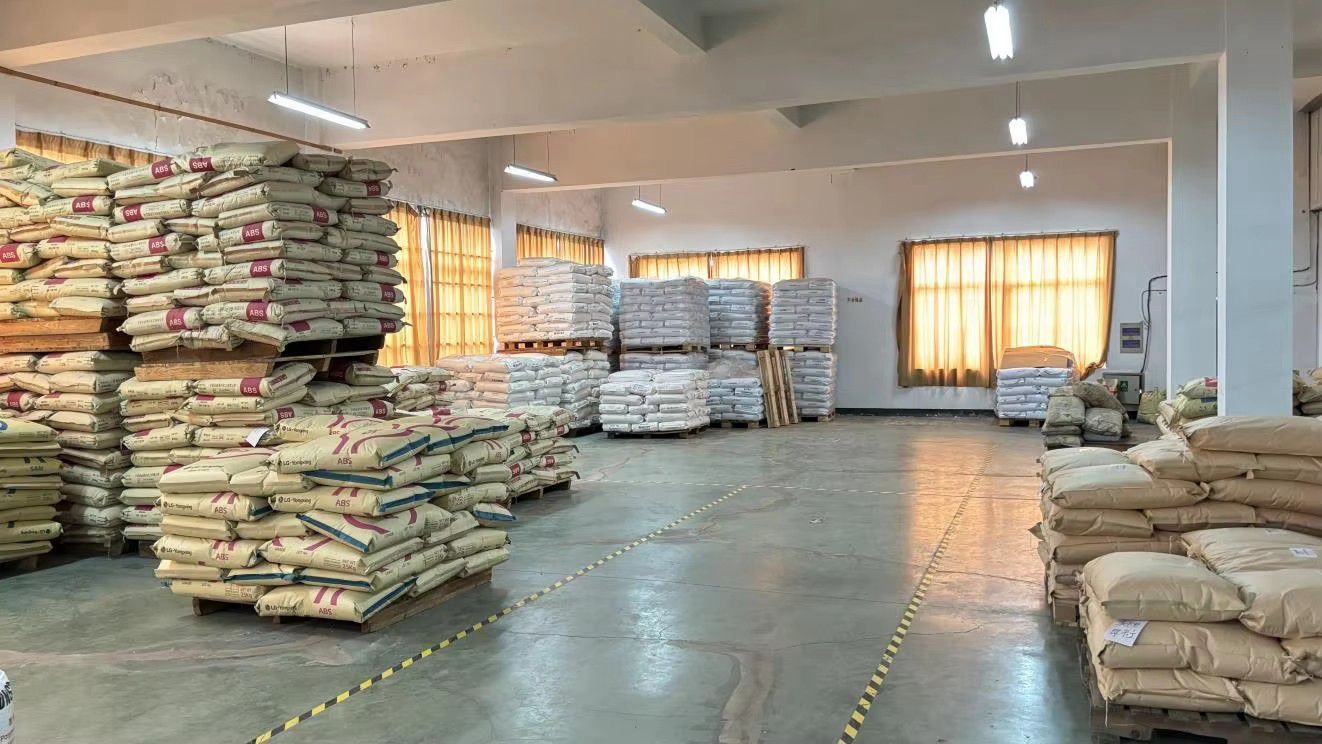
Modern electrical enclosures must provide foolproof mechanical impact resistance and non-flammable containment during severe abnormal overload or electrical arcing. Premium factories deploy virgin, non-recycled flame-retardant Polypropylene (PP), Polycarbonate (PC), or ABS-PC alloys.
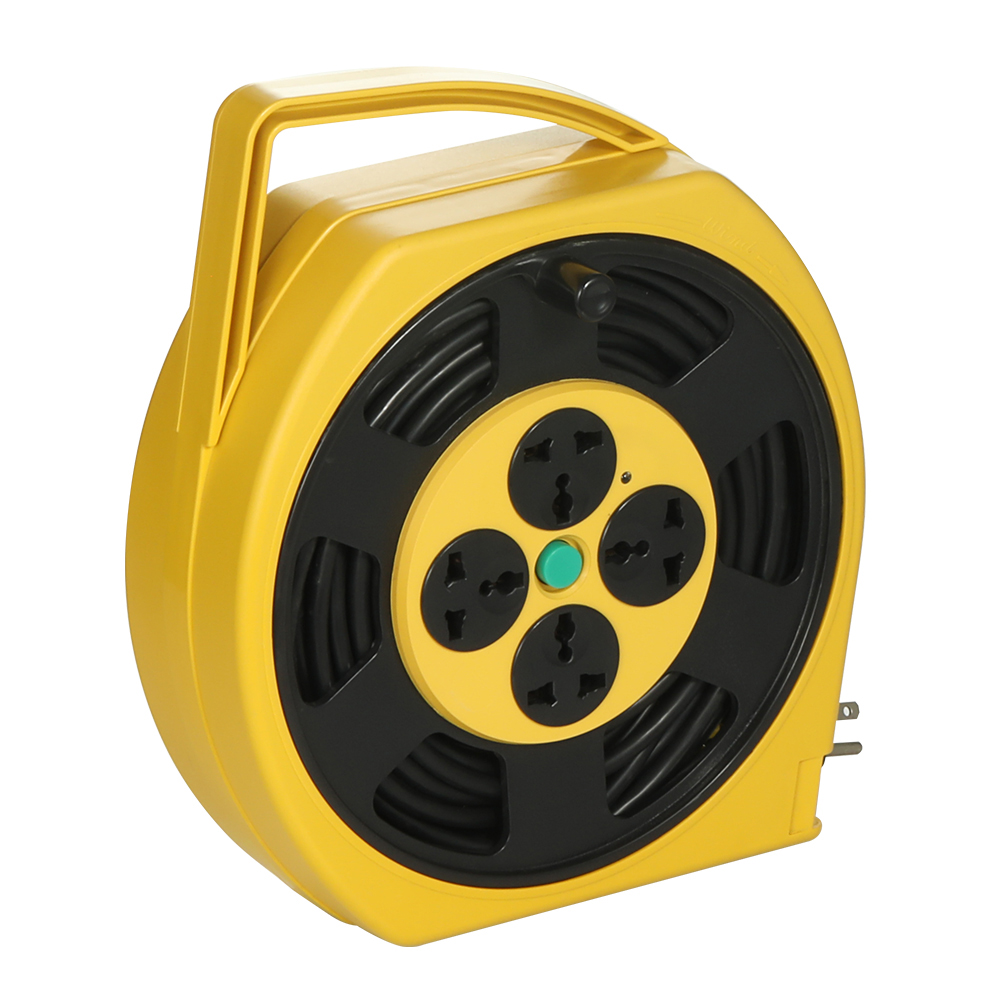
According to IEC 60695-2-11 standards, all terminal-retaining insulators must pass the 750°C Glow-Wire Flammability Index (GWFI) test without sustaining flame for more than 30 seconds after the glowing wire is withdrawn. High-end industrial cable reels and workshop extension blocks utilize flame-retardant PC reaching UL94 V-0 ratings, ensuring structural integrity even in harsh operating environments.
Global Regulatory Compliance Matrix for Electrical Extension Boards
| Jurisdiction | Standard Reference | Conductor Spec (Min) | Mandatory Safety Mechanism | Factory Documentation |
|---|---|---|---|---|
| United Kingdom & GCC | BS 1363-2, SASO 2203 | 3G1.25mm² (13A) / 3G1.5mm² | Integrated BS 1362 ceramic fuse, child-safe shutters | UKCA Declaration, GCC CoC, Intertek/TÜV Test Reports |
| European Union | DIN VDE 0620-2-1, NF C 61-314 | 3G1.5mm² H05VV-F (16A) | Double-pole safety isolation switch, side earth clips | CE Mark, LVD Directive 2014/35/EU, RoHS 2.0, REACH |
| Southeast Asia & Africa | IEC 60884-1, SS 145, MS 589 | 3G1.0mm² to 3G1.5mm² | Overload circuit breaker, universal multi-gauge clamping | CB Scheme Certificate, Factory ISO 9001 Audit |
| North America | UL 1363, UL 1449 (Surge) | 14 AWG / 16 AWG SJT | Thermal fuse, integrated MOV surge protection array | cTUVus / ETL Listing Documentation |
Future Sourcing Trends: What Enterprise Buyers Must Anticipate (2025–2030)
Strategic purchasing demands staying ahead of product evolutions. In the electrical accessories sector, three distinct macro trends are redefining RFQs and standard production requirements worldwide:
1. GaN High-Power USB-C Integration
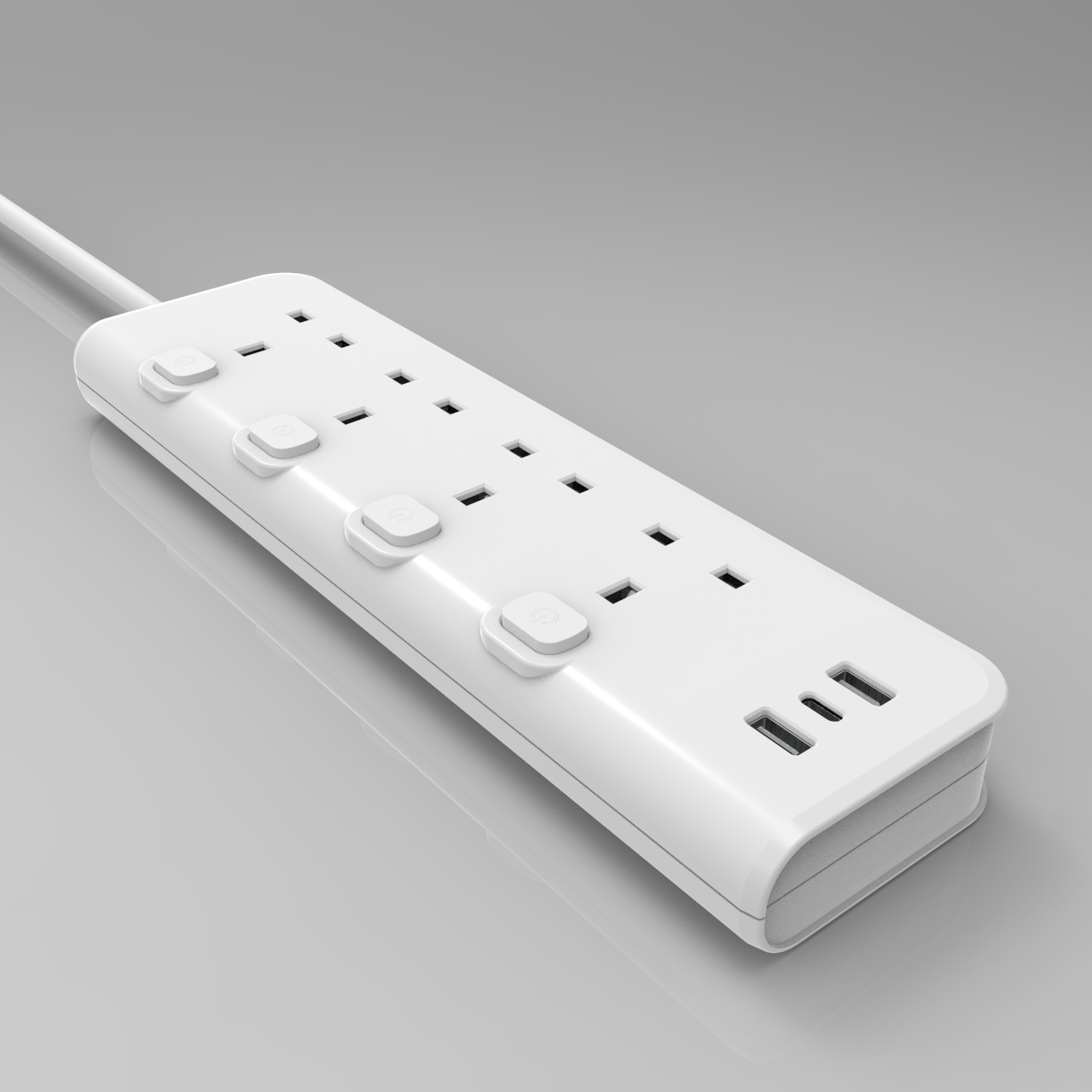
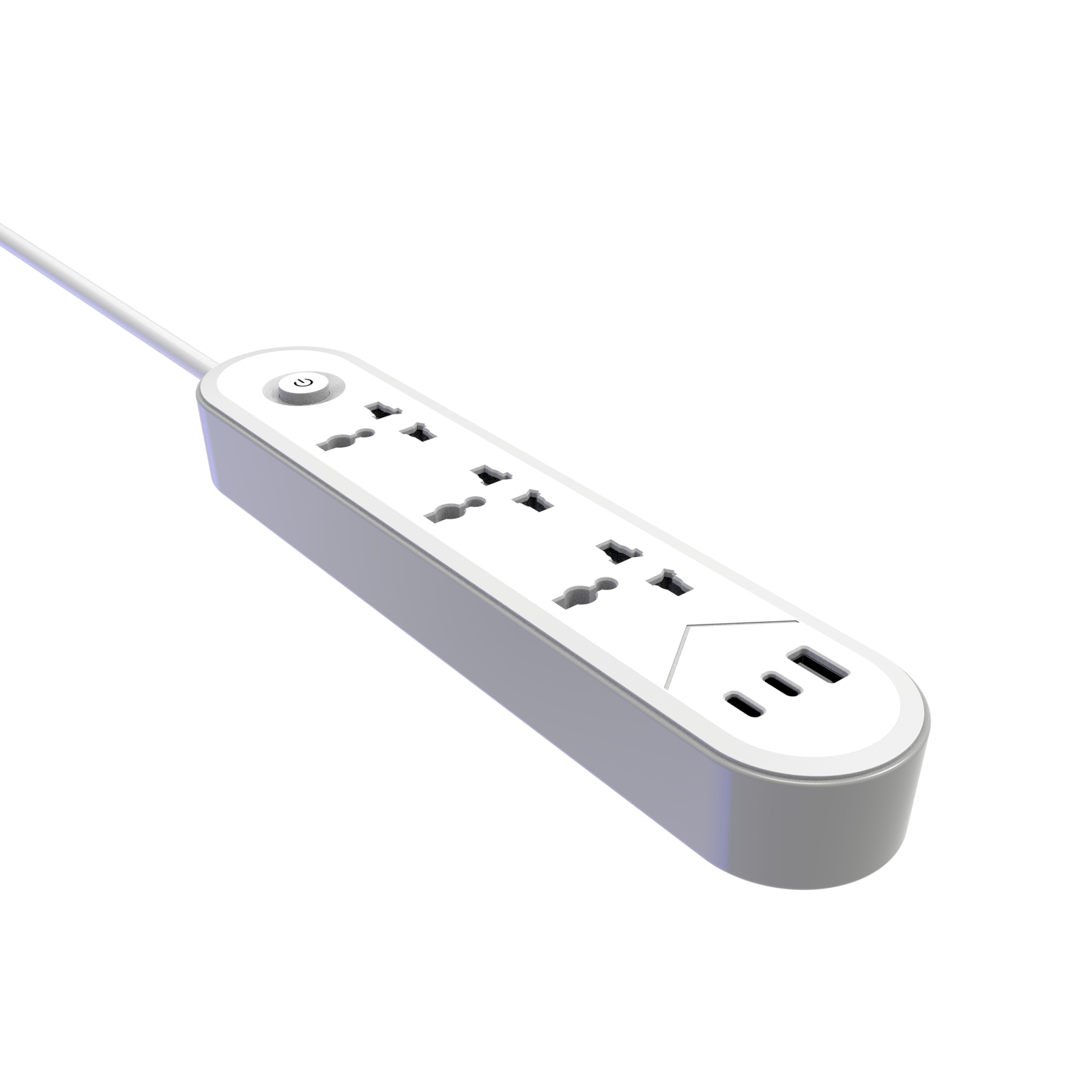
Traditional extension boards featured basic 5V 2.4A step-down step circuits. The global market is transitioning rapidly toward onboard Gallium Nitride (GaN) power modules delivering 35W, 65W, and 100W USB Power Delivery (PD 3.0/3.1). Importers must verify that internal USB PCB assemblies maintain physical isolation barriers (>6mm clearance) from AC mains voltage to eliminate capacitive leakage.
2. Dynamic Bi-Directional Thermal Control
Especially prevalent in retractable cable reels, smart thermal management prevents fire incidents. Operating a coiled 50-meter extension reel under full inductive load creates massive eddy-current heat accumulation. Advanced models now incorporate automatic bimetallic thermal cut-out switches that disconnect power at 56°C ± 5°C, requiring manual reset once cooled.
3. Post-Consumer Recycled (PCR) Compliance
European and North American environmental directives (such as the EU Ecodesign regulation) increasingly penalize single-use virgin plastics. China's top tier factories are standardizing 30% to 50% GRS-certified PCR plastics within outer non-conductive housings, coupled with solder-free modular disassembly designs to facilitate end-of-life recycling.
Procurement Red Flags: How to Avoid Substandard Factory Traps
When reviewing bids from extension board suppliers, cost disparities of 15–25% frequently conceal dangerous shortcuts that can trigger customs seizures, container recalls, or product liability claims:
- Copper-Clad Aluminum (CCA) Conductors: Substituting pure oxygen-free copper with CCA drastically increases electrical resistance, resulting in extreme cable heating under heavy current loads. A legitimate factory utilizes 100% pure electrolytic copper (conductivity ≥ 100% IACS).
- Sub-Calibrated Wire Gauges: Labelling a cable as "3G1.5mm²" while the true copper cross-section measures only 1.0mm² or 0.75mm². Professional procurement teams should verify conductor resistance (Ω/km) according to IEC 60228.
- Deficient Child-Safety Shutters: Cheap single-side shutters can be easily penetrated by foreign objects. Premium designs mandate balanced two-pole interlocking mechanisms that only yield to simultaneous pin insertion.
Procurement FAQ: What Buyers Need to Know Before Ordering
What is the difference between individual switching and master switching on extension boards?
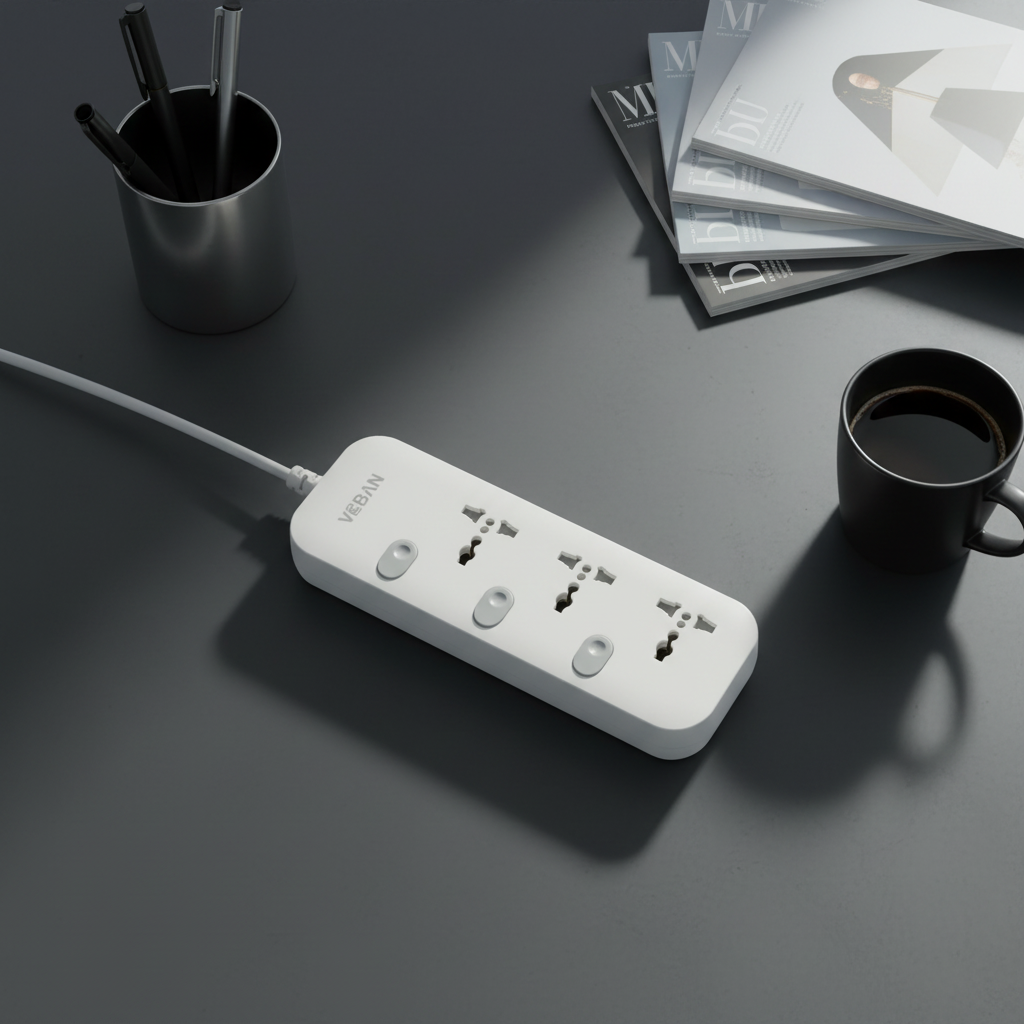
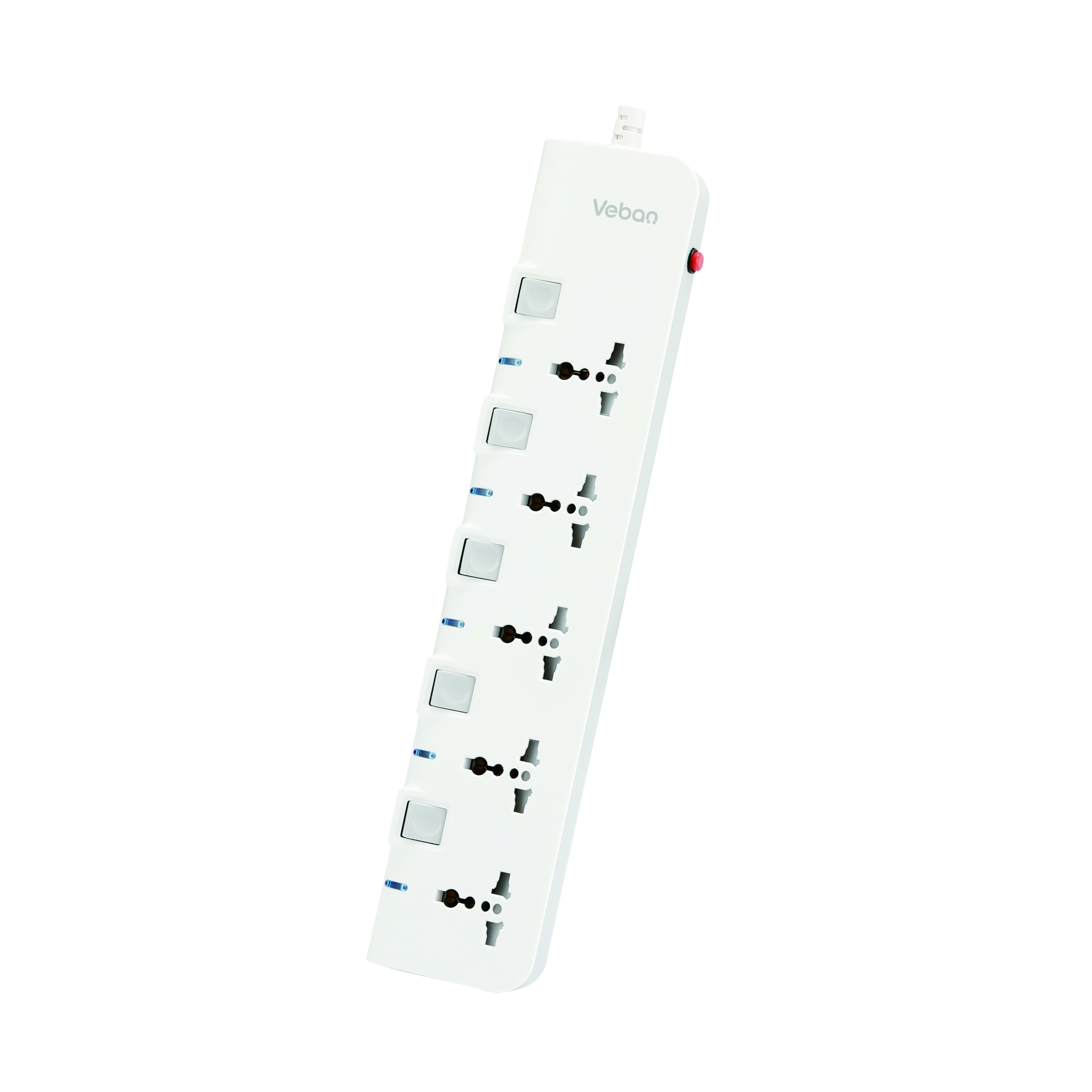
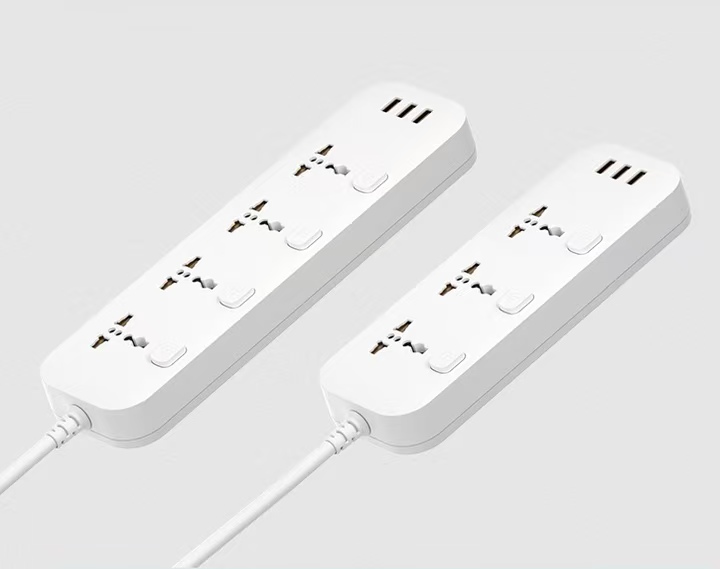
Master switching controls power to the entire extension strip simultaneously, offering a cost-effective design suitable for general office desks. Individual switching incorporates an independent mechanical switch (and optional neon/LED indicator) for each individual socket gang. This allows users to disconnect phantom-load appliances independently without interrupting adjacent connected machinery, improving energy efficiency and circuit lifespan.
Why must cable reels be fully unwound when running high-wattage equipment?
When an electrical cable remains wound around a central spool under high current, heat cannot dissipate efficiently into the surrounding air. The coiled wire acts as a thermal choke or inductor, compounding temperature rise. For instance, a 1.5mm² cable reel rated for 3,000W when fully uncoiled may only safely support 1,000W when tightly wound. Operating past this threshold without uncoiling melts internal PVC insulation and causes dead shorts.
What Minimum Order Quantity (MOQ) structure applies to OEM/ODM production?
Base production configurations with standard neutral tooling typically start at 500 to 1,000 pieces per batch. For custom injection-molded shell colors, silk-screened brand logos, customized cable jacket printing, and specialized retail packaging (window gift boxes or blister packs), MOQs range between 1,000 and 2,000 units depending on the size and complexity of the model.
What quality assurance inspections are conducted prior to container shipping?
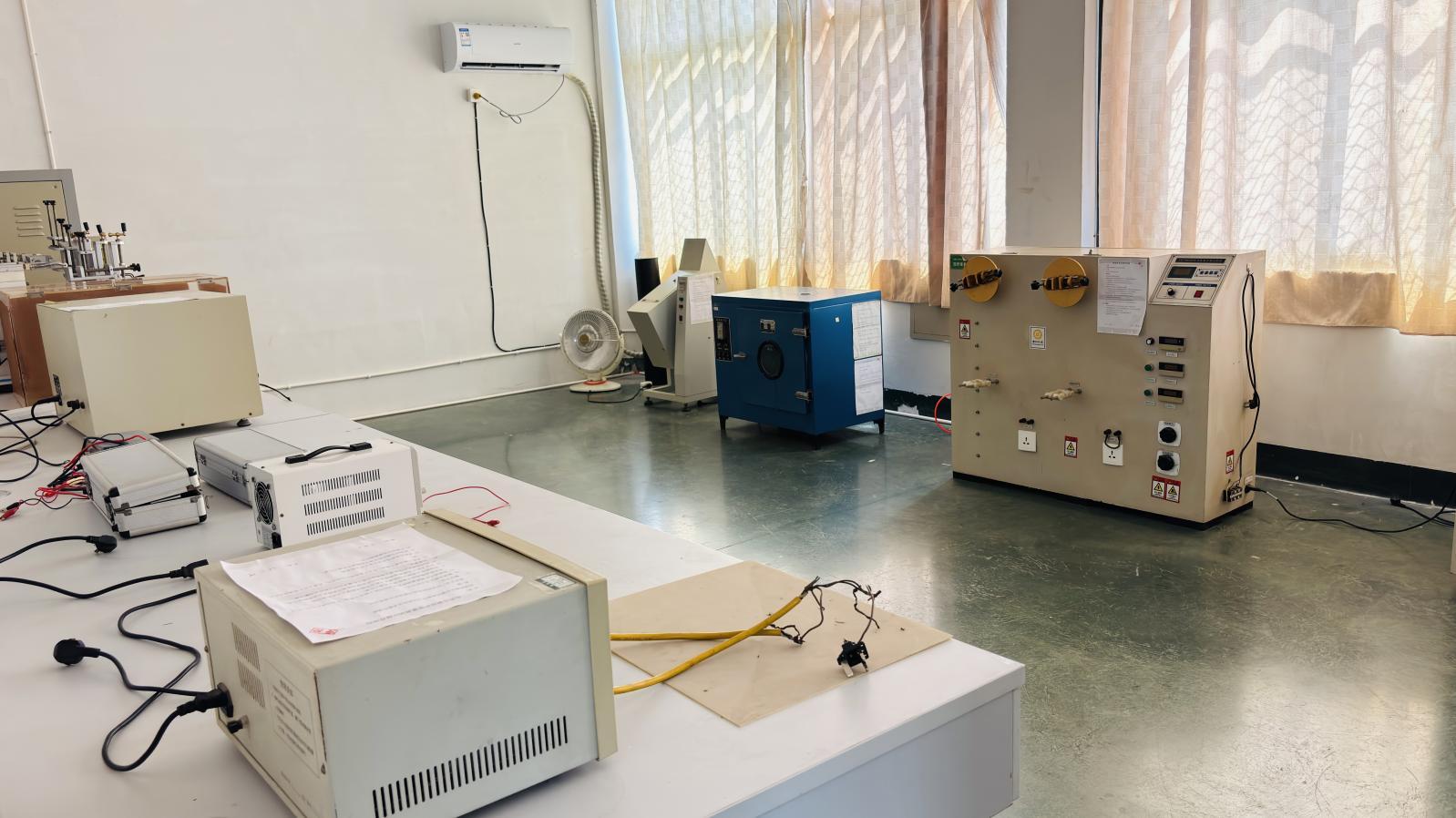
Prior to shipment, products undergo a 100% inline electrical safety testing matrix: High Voltage Dielectric Strength Testing (typically 2000V AC for 1 second without flashover), Ground Continuity & Resistance Testing (<0.1Ω), and Operational Polarity Verification. Pre-shipment batch testing further assesses terminal extraction force, glow-wire fire ratings, cable pull-relief strain resistance, and continuous drop impact integrity.
Where is the factory located and how does it facilitate international logistics?
Cixi City Fenvo Technology Co., Ltd. is located in Guanhaiwei Town, Cixi, Ningbo, Zhejiang Province, China. Positioned inside the world-renowned Ningbo-Yuyao electrical appliance cluster, our plant is located less than 60 kilometers from Ningbo-Zhoushan Port (one of the world's highest throughput container ports), ensuring rapid drayage, flexible FOB shipping arrangements, and consolidated container loadings.
Partner with an Engineering-Led Extension Board Factory
Whether expanding your regional retail distribution, engineering an OEM smart-home extension socket, or procuring certified heavy-duty cable reels, Fenvo delivers certified reliability directly from the manufacturing floor.