Factory-Direct Catalog
Featured Commercial & Industrial Power Extension Solutions
Engineered with unified phosphor-bronze copper busbars, flame-retardant thermoplastics, and advanced semiconductor protection for global procurement.
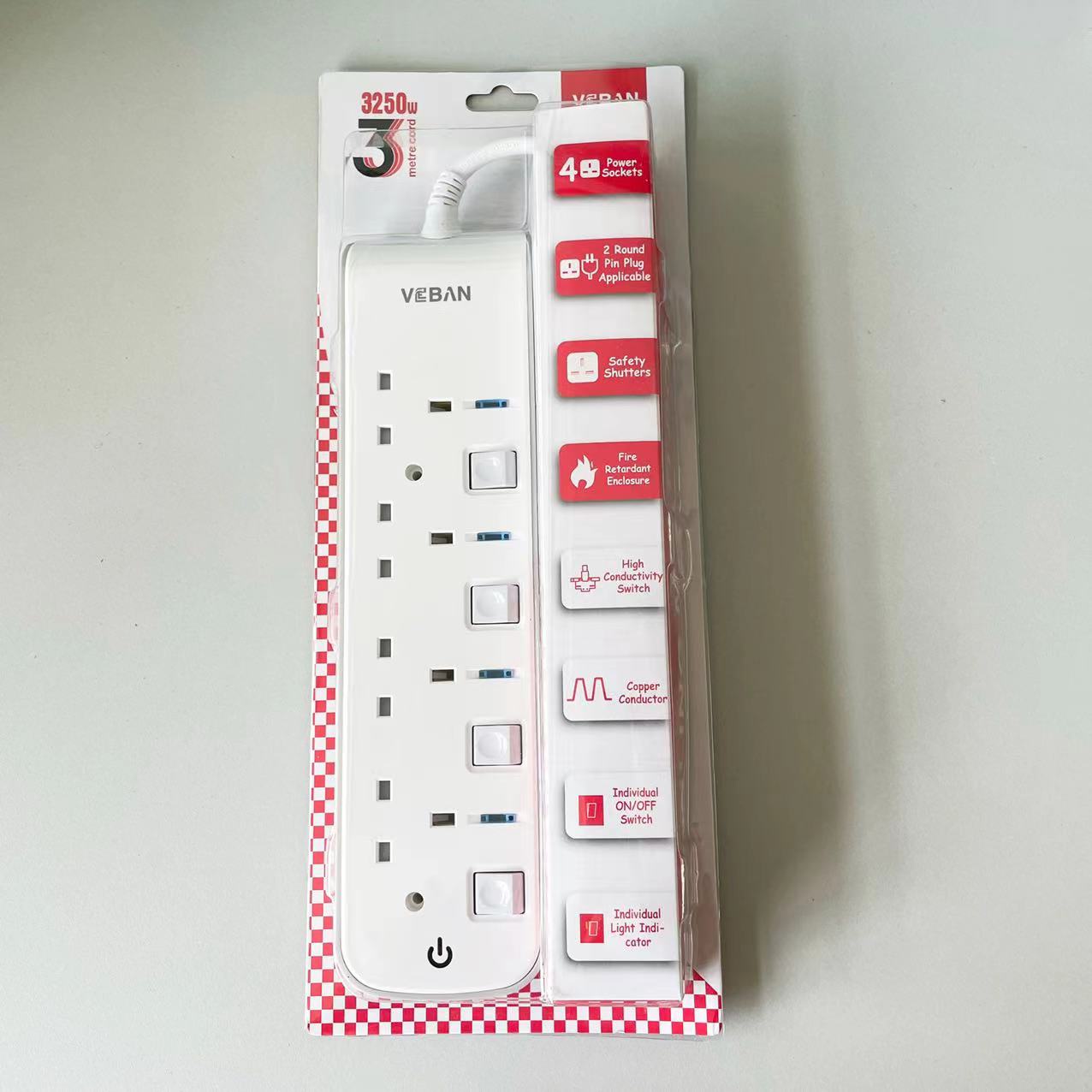
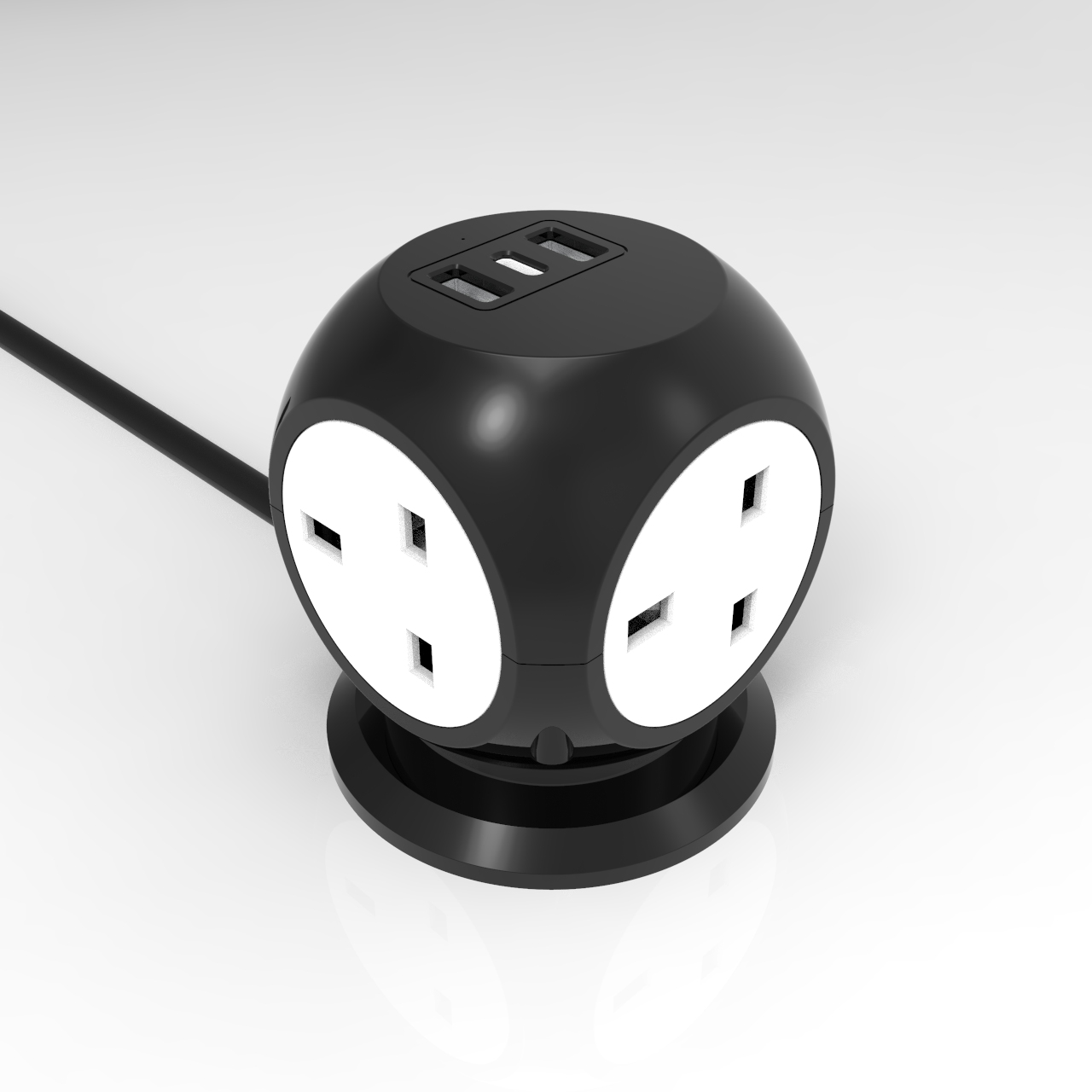
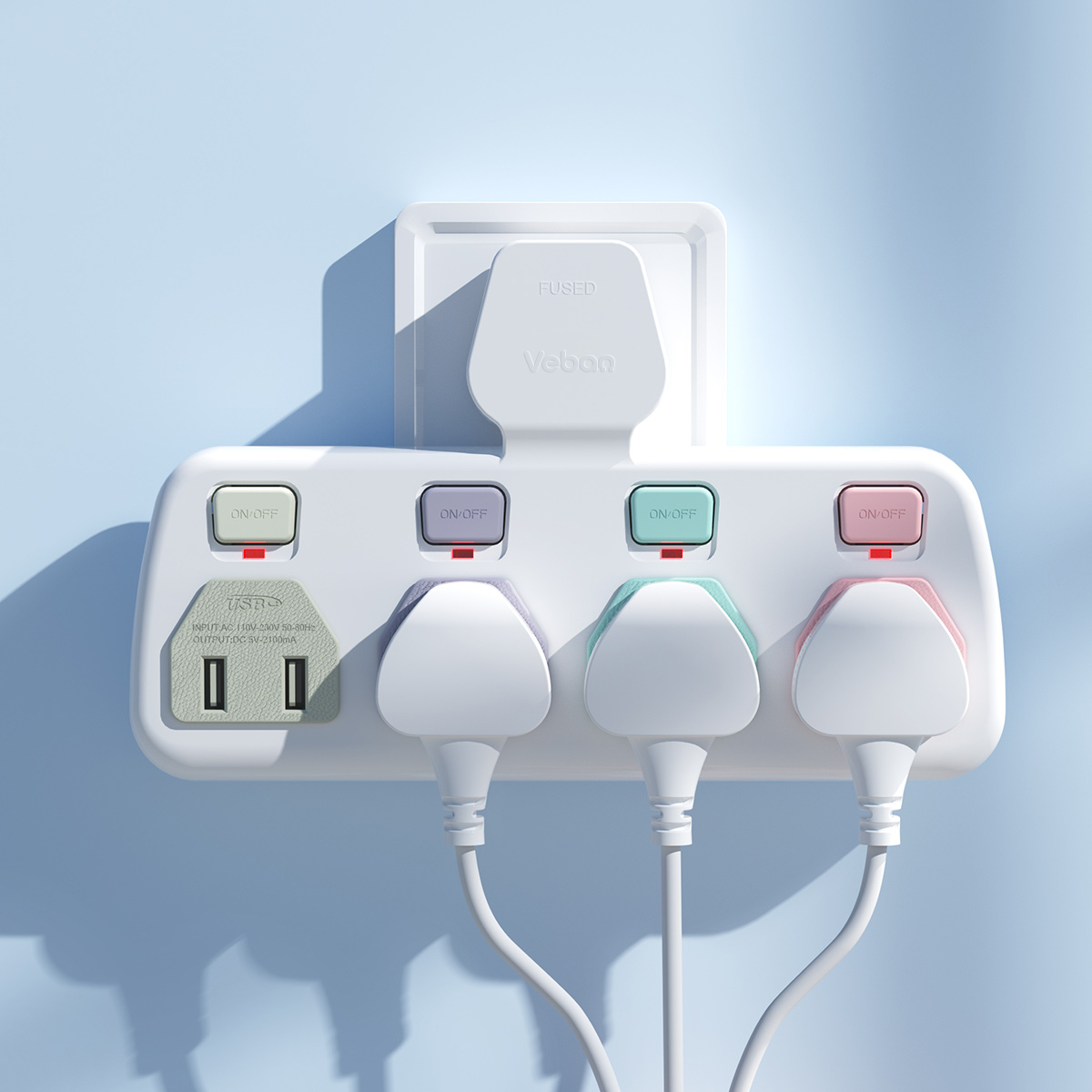
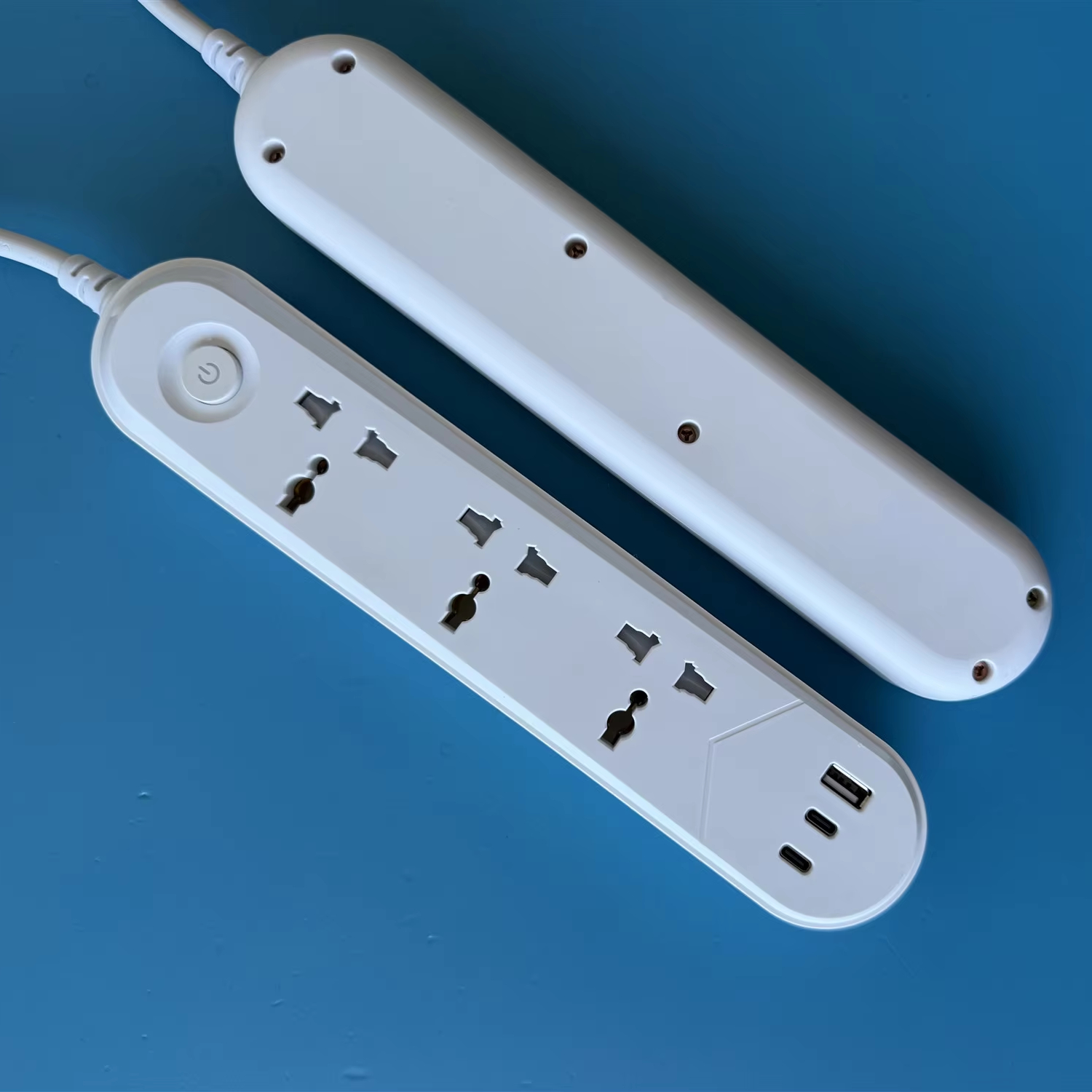
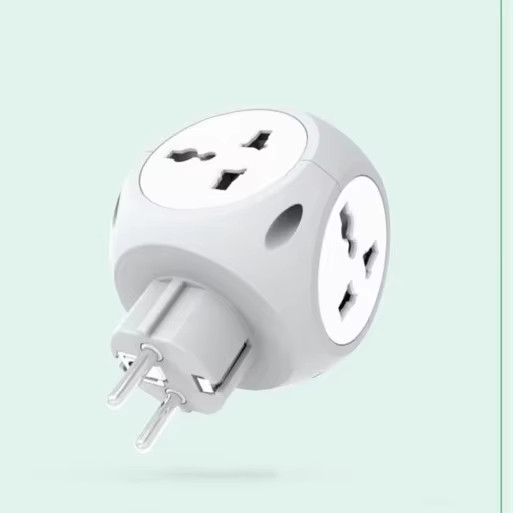
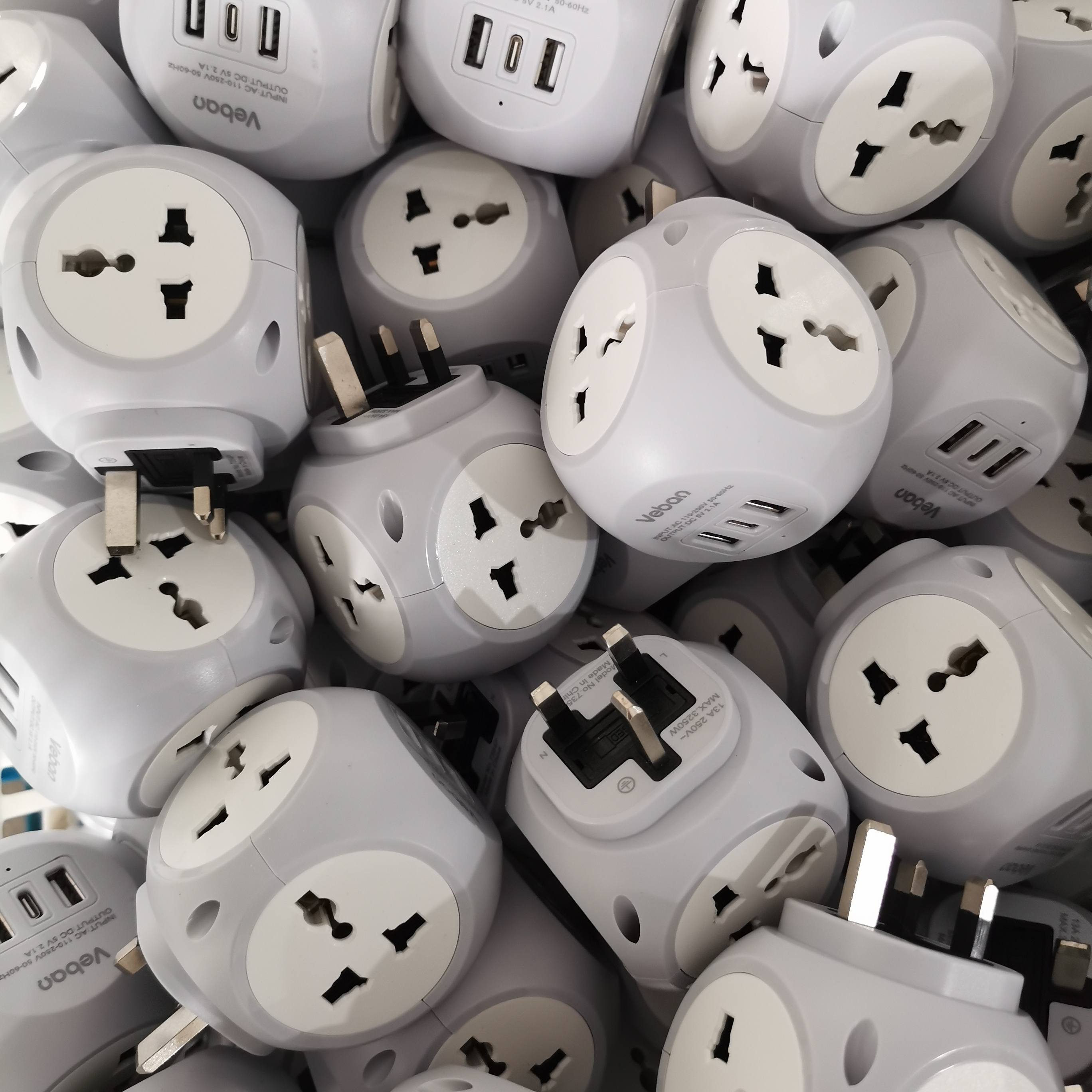
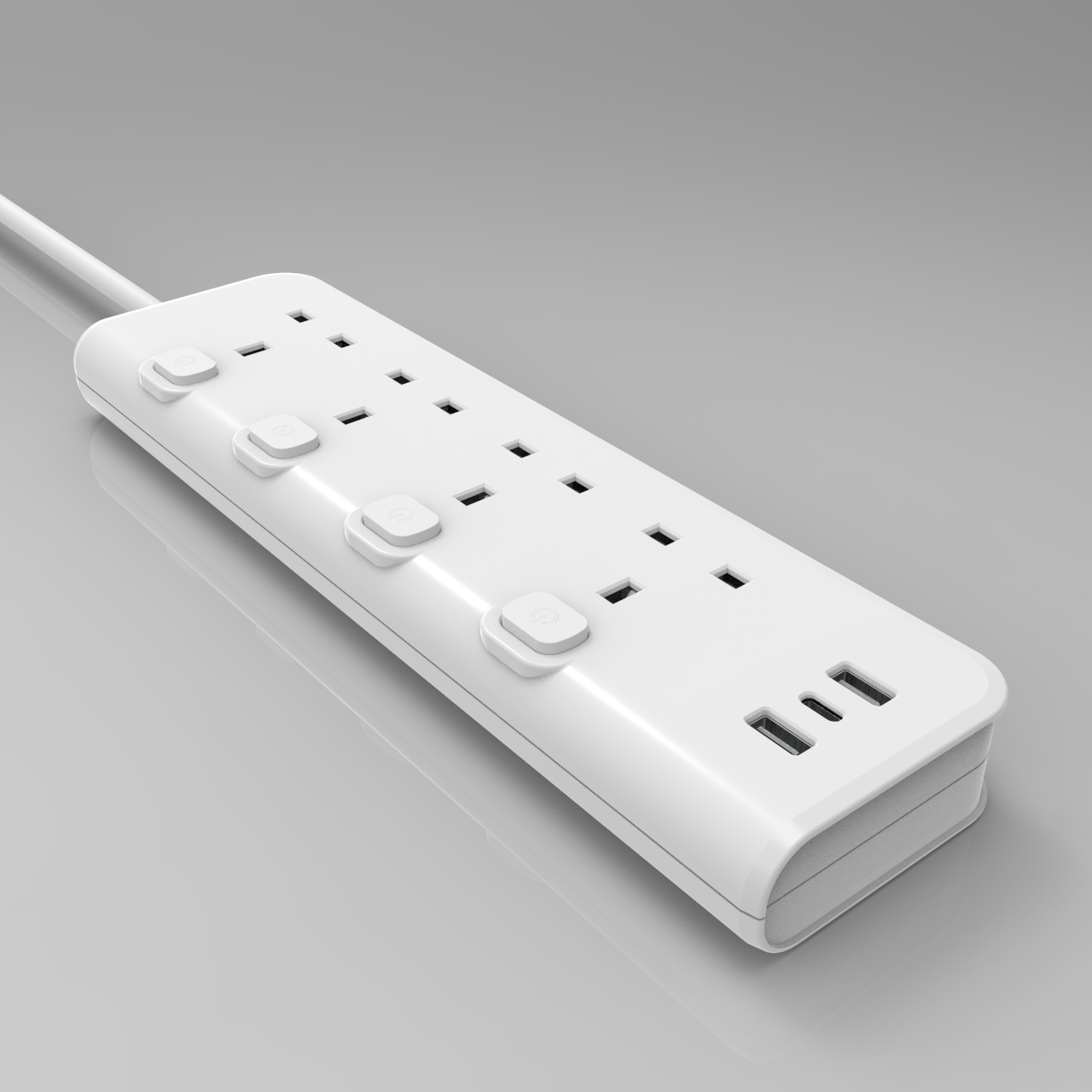
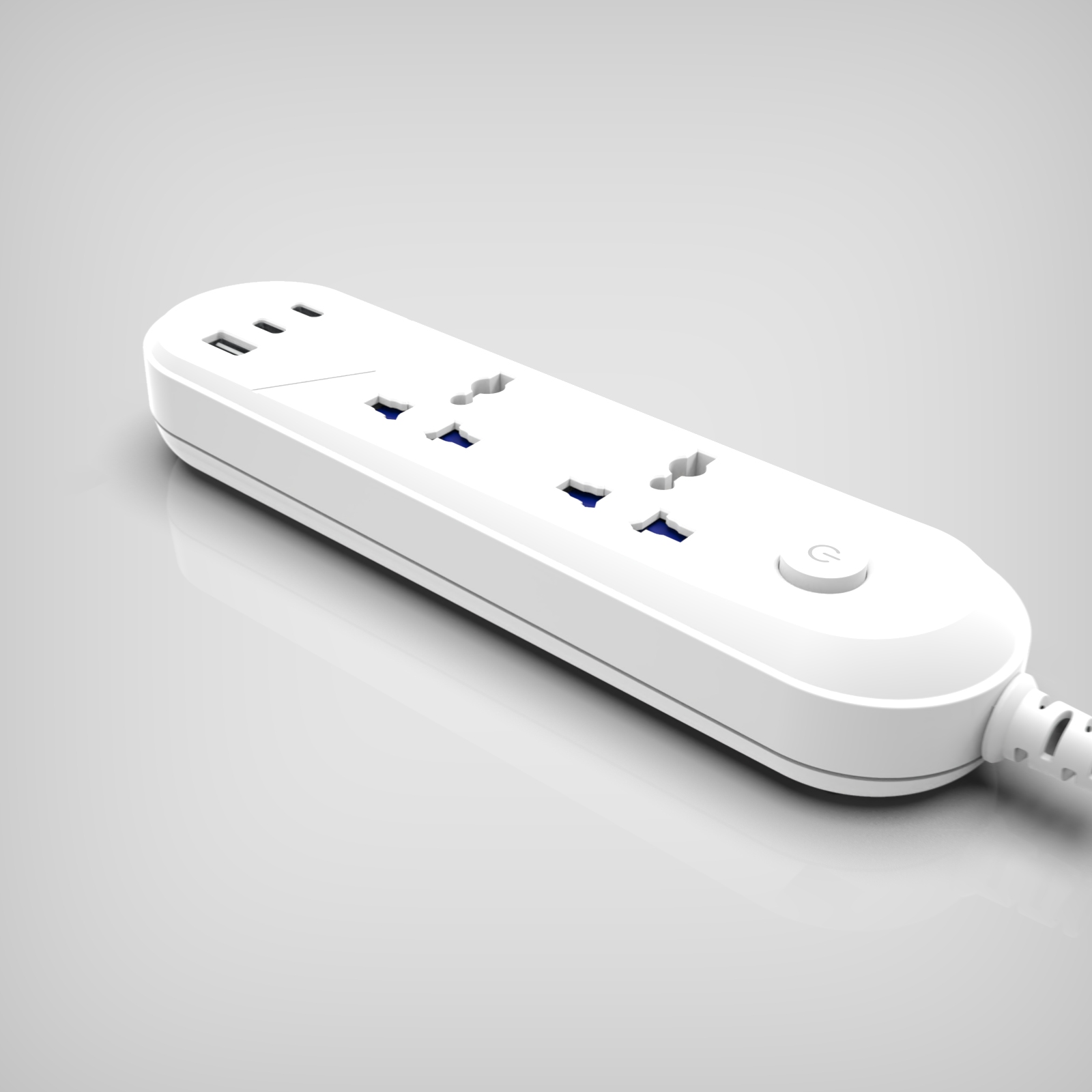
31+
Years Industry Heritage
4,587㎡
TÜV Audited Facilities
4 Lines
Automated Assembly
91-100%
Global Export Rate
Procurement White Paper
Engineering Architecture & Next-Gen Sourcing Criteria
A strategic overview of industrial standards, metallurgical reliability, and product life-cycle evaluation for global importers and distributors.
In modern electrical hardware engineering, sourcing commercial and consumer power distribution devices demands a transition away from commoditized cost reduction toward total electrical reliability, thermal management, and regulatory compliance. Historically, extension lead failures are linked to internal joint resistance caused by conventional wire-soldered architectures. Under cyclical electrical loads, weak internal solder points degrade, accelerating thermal dissipation and posing catastrophic fire risks.
As verified by onsite third-party audits, professional Chinese manufacturing has evolved. Leading original equipment manufacturers like Cixi City Fenvo Technology Co., Ltd. (operating within Ningbo’s industrial hardware cluster) employ continuous structural brass and phosphor-bronze stamping processes. Stamped internal copper busbars eliminate solder degradation, ensuring sustained contact springiness exceeding 10,000 insertion cycles, low contact resistance, and steady thermal distribution under 13A (BS 1363) and 16A (Schuko CEE 7) peak continuous loads.
Unified Integrated Copper Bars
Moving beyond point-to-point internal wiring, modern extension leads implement zero-solder alloy strips. These stamping structures drop contact resistance by 38%, maintaining current stability across multi-gang sockets without localized thermal buildup.
GaN & Advanced USB Architectures
The convergence of AC distribution and DC charging requires high-efficiency power ICs. Next-generation power strips incorporate Gallium Nitride (GaN) modules, supporting 20W to 65W PD fast charging directly on-board while maintaining low operating temperatures.
Thermoplastic Self-Extinguishing Resins
Housing materials utilize virgin polycarbonate (PC) and modified polypropylene (PP) formulated to pass rigorous glow-wire flammability testing (IEC 60695-2-11 at 750°C to 850°C), protecting residential and industrial environments.
Furthermore, the global market demands verifiable test histories. B2B buyers must navigate complex, region-specific import barriers: UKCA for Great Britain, CE-LVD/EMC across the European Union, and GCC conformity for the Middle East. Reliable manufacturers do not merely produce housings; they control a vertically integrated manufacturing line—from raw thermoplastic granule molding and brass precision stamping to in-house plug-in force, high-voltage breakdown, and temperature-rise lab tests.
Market Trends
Emerging Procurement & Technological Trends (2025–2030)
How changes in smart homes, trade policies, and high-wattage consumer electronics are reshaping extension lead specifications.
Procurement teams managing consumer electronics and hardware inventory face several systemic changes in downstream requirements:
1. Universal Adoption of Native High-Wattage USB-C Integration: The implementation of mandatory common charger directives (such as the EU USB Type-C mandate) has rendered traditional USB-A-only extension sockets obsolete. Procurement strategies are heavily pivoting toward 2C1A and multi-Type-C configurations delivering USB-PD (Power Delivery) and PPS protocols capable of directly powering laptops, tablets, and smartphones without standalone wall warts.
2. Space-Efficient Geometries & Cable Clutter Management: Bulky linear multi-gang designs are increasingly augmented by cube configurations (Rubik’s multi-sided extenders) and direct-to-wall plug adapters. These form factors optimize physical footprint on workstations, solve adapter collision issues where large transformers block neighboring outlets, and lower freight cube-volume costs during international logistics shipping.
3. Enhanced Safety Compliance & Traceability Requirements: Importers of Record across the UK, EU, and North America face expanding liability regulations. Power distribution strips must include child-protective mechanical shutters (preventing foreign object insertion under 1mm), resettable thermal/overload circuit breakers, and comprehensive metal-oxide varistor (MOV) surge protection networks rated up to 1050 Joules.
| Target Region | Applicable Technical Standards | Conductor Sizing Requirements | Required Compliance Documentation |
|---|---|---|---|
| United Kingdom & Ireland | BS 1363-2, BS 5733 (Fused 13A Type G) | 3G1.25mm² or 3G1.5mm² H05VV-F | UKCA Declaration, Intertek/TÜV Test Reports |
| European Union (Schuko/French) | DIN VDE 0620-2-1, NF C 61-314 (16A Type F/E) | 3G1.5mm² H05VV-F (Minimum) | CE-LVD, CE-EMC, RoHS, REACH Declarations |
| Gulf Cooperation Council (GCC) | GSO IEC 60884-1, SASO 2203 (13A Type G) | 3G1.25mm² / 3G1.5mm² Copper | G-Mark Certificate, SASO Saber Registration |
| Global / Multi-Standard Importers | IEC 60884-1 / Universal Receptacle | 3G1.0mm² to 3G1.5mm² Pure Copper | CB Scheme Certificate, Factory ISO 9001 System |
Manufacturing Capabilities
Why Partner with Cixi City Fenvo Technology?
Over 30 years of vertically integrated manufacturing excellence, backed by independent verification from TÜV Rheinland.
Located in Daqishan Village, Guanhaiwei Town, Cixi, Ningbo—the world's foremost manufacturing core for electrical accessories and safety plugs—Cixi City Fenvo Technology Co., Ltd. offers global buyers direct factory control without intermediary markups:
Full In-House Manufacturing Chain
From virgin resin injection molding and precision stamping of internal copper alloy busbars to automated wire peeling and testing, every component is manufactured within our 4,587m² facility under an ISO 9001 quality management framework.
TÜV Rheinland Onsite Verified
Our workshop floors, employee capacity (54 skilled personnel), automated winding gear, and comprehensive lab test fixtures have been assessed and verified onsite by independent inspectors, providing transparent compliance.
Flexible OEM / ODM Engineering
Backed by 20+ years of dedicated OEM execution and multiple proprietary patents, we handle comprehensive buyer-label branding, customized chassis tooling, tailored cable lengths, and custom electronic PCB configurations.
Benefiting from close proximity to the Ningbo-Zhoushan Port deep-water terminals, Fenvo streamlines export operations with competitive FOB ocean shipping schedules, clear containerization plans, and rapid sample turnaround to keep supply chains resilient.
Technical Clarifications
Frequently Asked Questions for B2B Importers
Clear, direct answers regarding production cycles, minimum order quantities, testing protocols, and compliance standards.
What is your Minimum Order Quantity (MOQ) structure across product lines?
MOQs depend directly on tooling and production line setup: Selected in-stock travel adapters and cube taps start at 5–50 pieces for sample evaluation. Standard UK/EU/Universal power strips typically require 500 to 2,000 pieces per batch. Customized chassis colorways, silkscreen logo branding, and tailored retail blister or color-box packaging align with the base 1,000-unit tier.
What internal conductor design is used to prevent thermal failure?
We utilize integral stamped phosphor-bronze or H62 brass busbars rather than point-to-point soldered wires. Integrated busbars provide unified mechanical contact force, ensuring consistent insertion/extraction torque, lower electrical resistance, and low temperature rise under continuous full-load testing (below 45K rise under rated current).
How does Fenvo verify electrical and flammability compliance before dispatch?
Every production batch undergoes 100% automated electrical checks, including high-potential dielectric withstand (Hi-Pot test at 2000V/min), ground continuity testing (<0.1Ω), and load polarities. Materials undergo regular laboratory glow-wire flame tests up to 750°C–850°C and rocker switch cycle endurance evaluations up to 10,000 cycles.
Can we source mixed configurations with customized USB power delivery options?
Yes. Our in-house electronics engineering team configures PCB charger boards ranging from standard 5V/2.4A configurations to 20W, 30W, and 65W GaN Type-C modules supporting dynamic load balancing, thermal cut-offs, and short-circuit protection.
What trade terms and shipping workflows are supported?
Standard export orders operate on FOB Ningbo or FOB Shanghai terms, settled via T/T or L/C in USD. We handle pre-shipment sample dispatch, complete carton drop-test documentation, container stuffing load optimizations, and supply all relevant technical files (DoC, CE, UKCA, GCC) to ensure rapid clearance through customs brokers.