CE / EU Plug
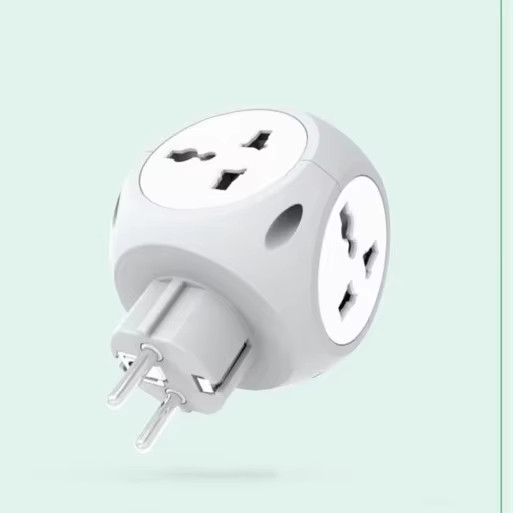
Fast USB and C Charger Travel Companion 16A Rated Cube Adapter EU Plug
16A 250V~
USB-C PD
Fireproof PC
Engineered to exceed EN 61643, BS 1363, and IEC 60884 standards. Each unit incorporates pure copper busbars, flame-retardant thermoplastics, and comprehensive circuit protection.
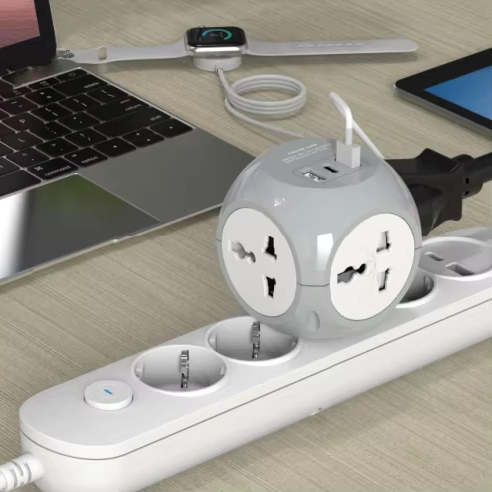
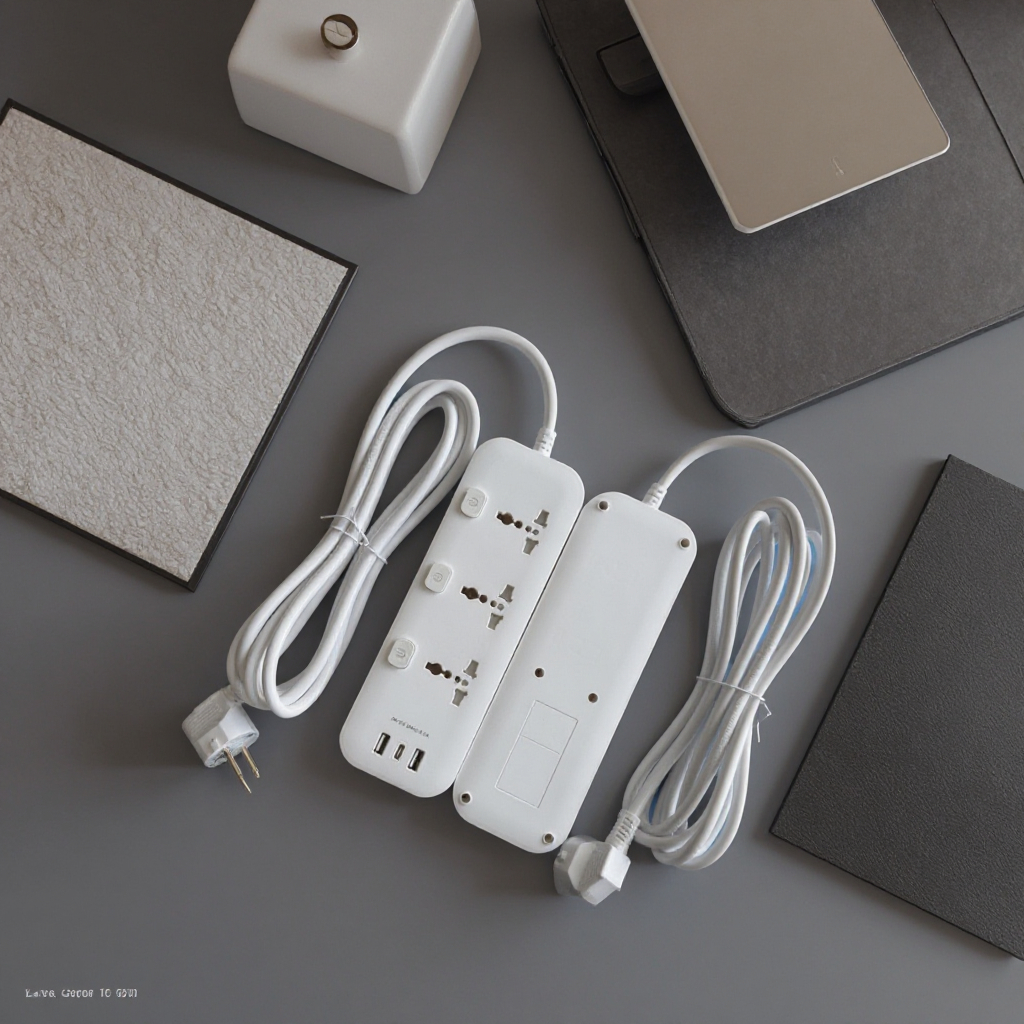
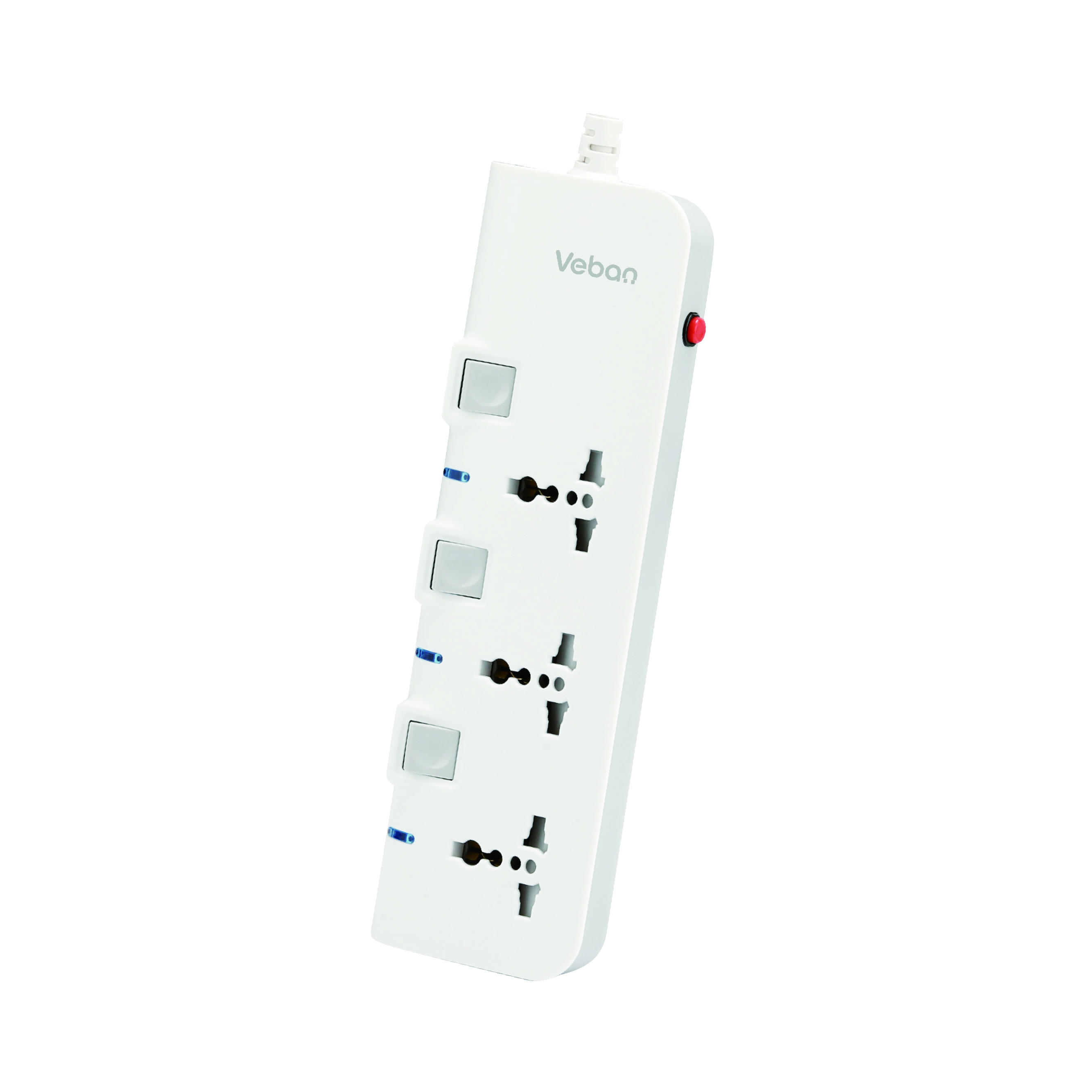
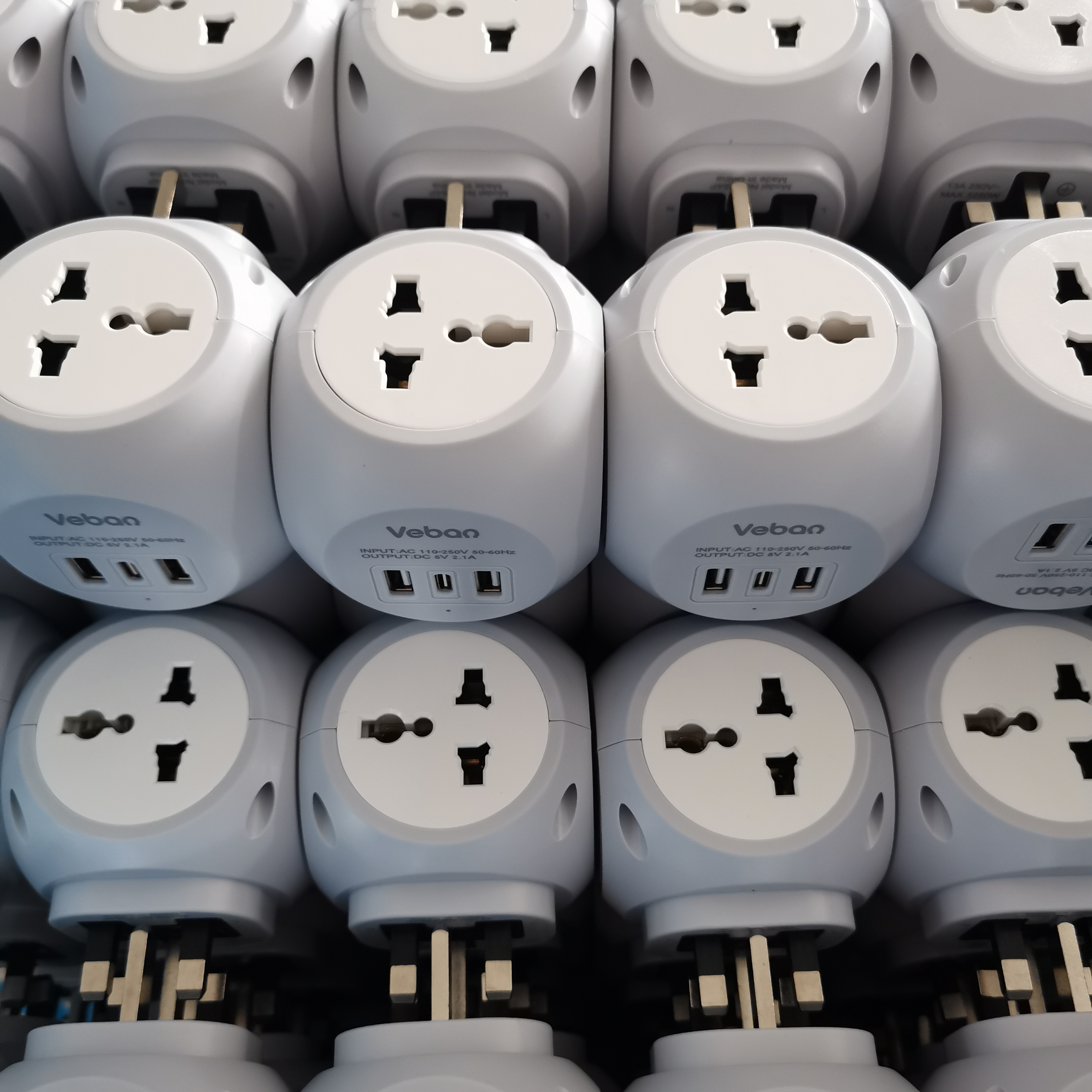
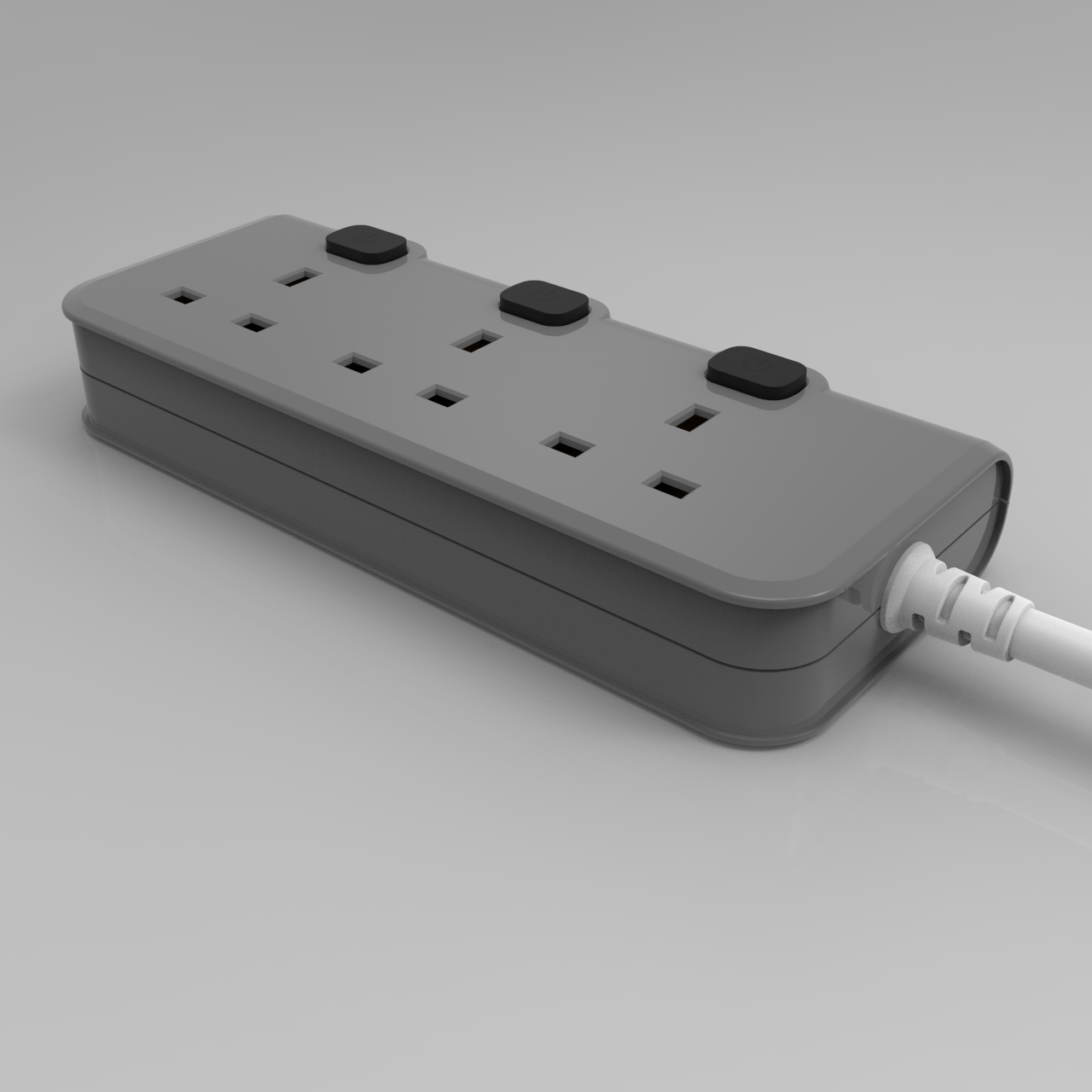
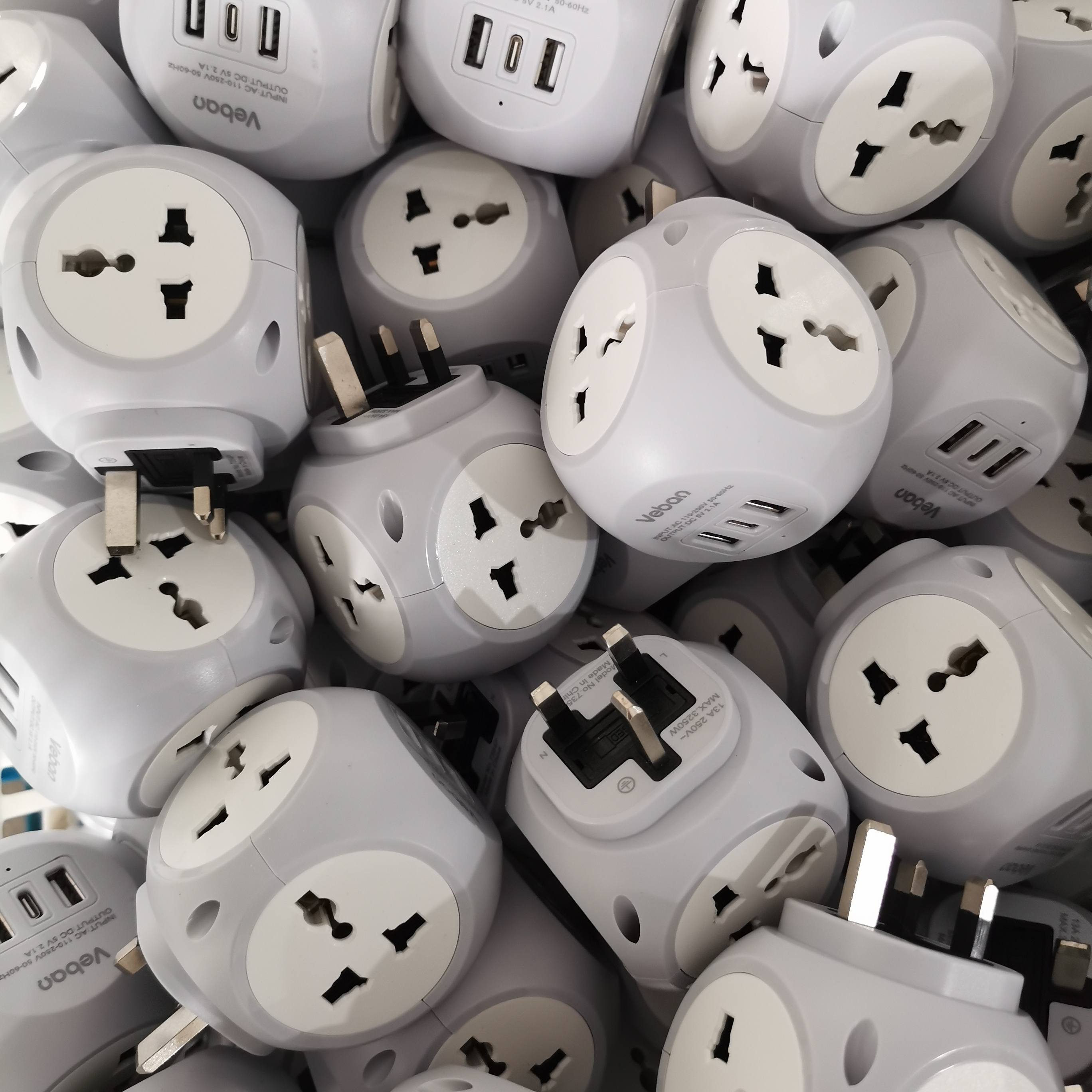
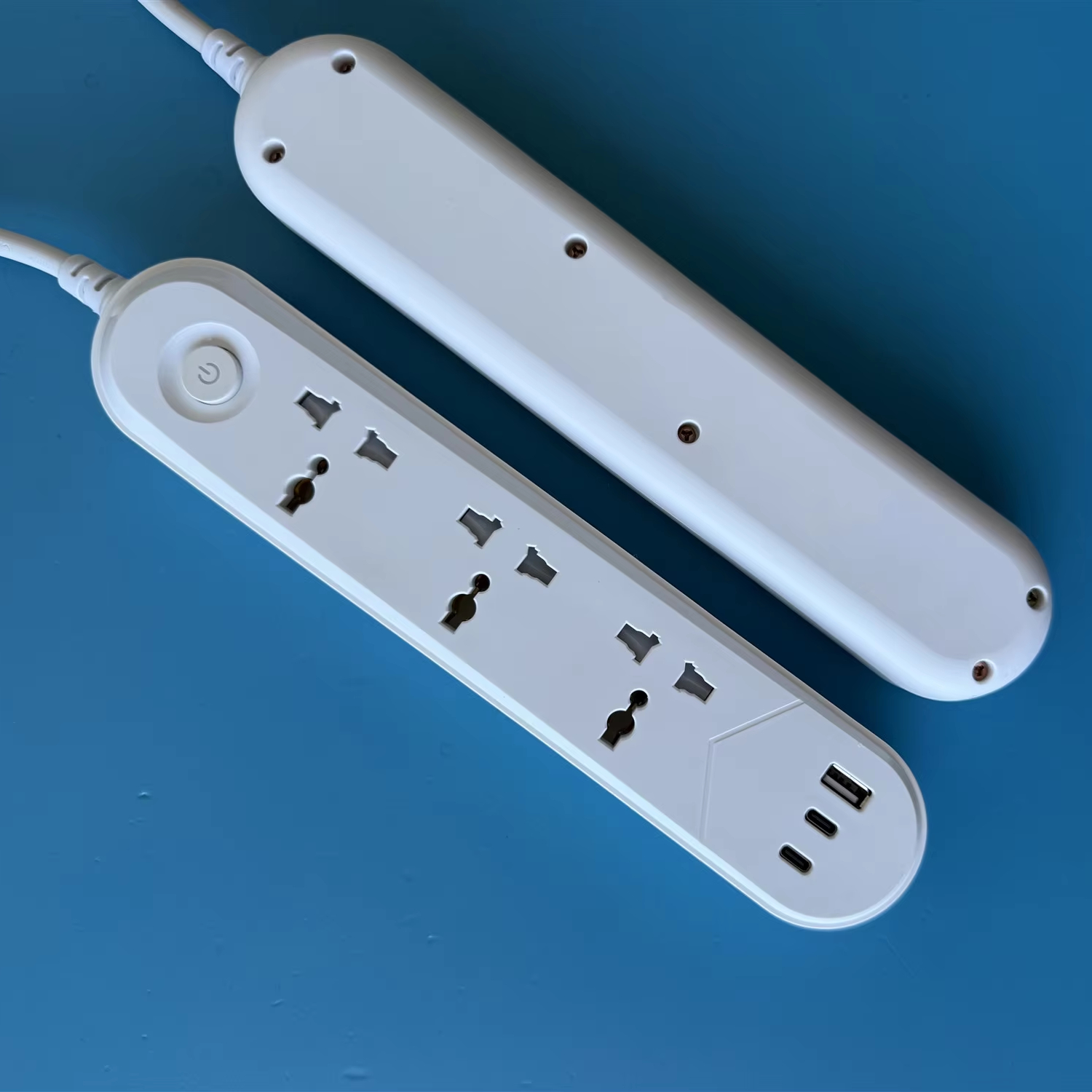
In modern industrial and commercial environments, an extension socket is not merely a passive conduit for alternating current; it is a critical safety node safeguarding sensitive digital circuitry, power electronics, and human operators. When procuring CE-certified extension sockets, institutional buyers and importers must evaluate components beyond external aesthetics. Achieving authentic conformity under the European Union’s Low Voltage Directive (LVD 2014/35/EU) and Electromagnetic Compatibility Directive (EMC 2014/30/EU) requires rigorous thermal dissipation management, structural dielectric stability, and high-integrity current-carrying pathways.
A fundamental differentiator between substandard commodity extension boards and industrial-grade units manufactured by Fenvo lies in the internal conductor architecture. Conventional low-cost strips utilize fragmented brass sheets manually soldered with insulated hookup wires. Over cyclic thermal expansion, these soldered contact points exhibit localized resistance spikes, resulting in high mechanical failure rates and potential arc hazards. In contrast, Fenvo engineers deploy monolithic pure phosphor bronze or electrolytic copper busbars stamped from high-tonnage precision progressive dies. By eliminating internal solder joints, our busbars provide continuous cross-sectional area, extremely low internal impedance (<0.02 Ω), and uniform contact elasticity capable of sustaining more than 10,000 insertion/extraction cycles without structural relaxation.
Moreover, housing polymers are subjected to rigorous polymeric material science testing. Fenvo employs premium flame-retardant Polycarbonate (PC) and modified high-grade Polypropylene (PP) compounds that meet the UL94 V-0 flammability classification. Under the glow-wire test standard (IEC 60695-2-11), these materials resist ignition at temperatures up to 750°C (and up to 850°C for internal insulating carriers supporting live contacts). This structural integrity ensures that even in catastrophic overload scenarios, the socket housing will self-extinguish within 30 seconds of ignition source removal without releasing flaming dripping particles.
| Engineering Parameter | Standard Commercial Grade | Fenvo Industrial CE-Certified Grade | Safety & Longevity Advantage |
|---|---|---|---|
| Internal Conductor | Segmented brass plates with tin-solder joins | One-piece integral stamped phosphor bronze busbar | Zero solder cold-joint risks; 40% lower contact resistance |
| Enclosure Polymer | Recycled ABS / standard low-grade PP | 100% Virgin UL94 V-0 flame-retardant PC / high-impact PP | 750°C–850°C glow-wire certified; non-flammable self-extinguishing |
| Surge Suppression (SPD) | None or undersized bare zinc-oxide disc | Thermal-fused MOV network with ceramic gas discharge tubes | Clamps transient voltage spikes (<1ns response); suppresses up to 1050J |
| Cable Cross-Section | Copper-clad aluminum (CCA) 0.75mm² | 100% High-Purity Electrolytic Copper (H05VV-F 3G1.5mm²) | Guaranteed 16A continuous ampacity without conductor overheating |
| Contact Endurance | < 3,000 plug cycles before gripping failure | > 10,000 insertion cycles with phosphor spring memory | Retains uniform 15N insertion and 50N extraction mechanical tolerance |
Procurement directors and B2B distributor chains are experiencing a massive paradigm shift in consumer and workplace power distribution needs. Staying competitive in retail, e-commerce, and industrial supply requires anticipating market trajectories. The following trends represent the decisive buying vectors through 2026 and beyond:
Traditional bulky external transformers are being replaced by internal high-frequency Gallium Nitride (GaN) switching circuits. B2B buyers now mandate 20W to 65W USB-C Power Delivery directly embedded within compact multi-gang extensions, freeing AC outlets while charging laptops and peripherals seamlessly.
EU markets are enforcing the Ecodesign for Sustainable Products Regulation (ESPR) alongside RoHS and REACH. Importers must secure suppliers providing halogen-free plastics, PCR (Post-Consumer Recycled) polymer formulations, zero single-use plastic retail packaging, and repairable or modular sub-assemblies.
Linear power bars are ceding market share to cubic, spherical, and modular multi-sided configurations. Driven by flexible work environments and micro-apartments, these 3D architectures eliminate oversized plug-head clashes and incorporate multi-directional outlets into small-footprint desktop footprints.
The technical trajectory of socket manufacturing is characterized by increasing integration of digital monitoring, advanced safety mechanisms, and smart grid interoperability. Below are the key engineering advancements currently being deployed in Fenvo's R&D facilities:
1. Thermal Dynamic Sensing & Active Cut-Off: Traditional power strips rely solely on basic bimetallic strips for overload detection, which have slow response times and undergo calibration drift after several trip cycles. Next-generation smart industrial sockets integrate NTC thermistors adjacent to the internal busbars. If an ambient temperature surge (>85°C) occurs due to bad plug contact or excessive inductive draw, an electronic trip mechanism isolates line and neutral poles in less than 15 milliseconds, effectively preventing thermal runaway.
2. Multistage Transient Voltage Surge Suppression (TVSS): As connected electronics become more sensitive to grid noise and switching transients, basic Class III surge protectors are being upgraded. Modern circuits utilize metal-oxide varistors (MOVs) paired in parallel with thermal cutoffs and gas discharge tubes (GDTs). This hybrid topology prevents MOV catastrophic failure by shunting overvoltage events to ground without leaking DC current, extending equipment lifespan and maintaining clean sine-wave delivery.
3. Advanced Mechanical Safety Shutters: Child-protection shutters have historically suffered from mechanical jamming. Fenvo has redesigned the cam-driven interlocking shutter mechanism. Both neutral and live apertures require simultaneous, balanced insertion force (>40N) to unlock, neutralizing electric shock risks from asymmetrical objects such as screwdrivers or keys, while allowing smooth insertion of standard plug prongs.
Founded in 1995, Cixi City Fenvo Technology Co., Ltd. has developed from a dedicated component manufacturer into an integrated electrical engineering powerhouse. Located in Guanhaiwei Town, Cixi, Ningbo—the world's most concentrated cluster for electrical plugs and socket-outlets—we provide our international B2B clients with complete sovereignty over tooling, quality, and supply continuity.
Our 4,587㎡ manufacturing footprint, labor practices, quality management, and testing lines are independently inspected and certified on-site by TÜV Rheinland.
We do not assemble external third-party components. We maintain fully owned raw material compounding, precision injection mold shops, stamping presses, and automated cable extrusion.
Equipped with glow-wire apparatus, high-voltage dielectric test sets, mechanical drop drums, temperature-rise testers, and multi-station plug insertion life benches.
Every commercial production batch is accompanied by comprehensive Declarations of Conformity (DoC), full test reports, and compliance documentation for CE, UKCA, and GCC customs clearance.
Our factory operates in strict compliance with the ISO 9001:2015 quality management framework. With four dedicated production lines and over 54 veteran technicians, we achieve an annual output value exceeding US$5–10 million. We provide comprehensive OEM, ODM, and private-label development services—from conceptual CAD/CAM modeling, 3D rapid prototyping, and custom tool engineering, to retail packaging tailored in DE, FR, IT, ES, and NL languages.
Review key technical, logistics, and legal parameters commonly addressed by our international procurement desk:
Partner with an onsite TÜV-verified manufacturer. Share your project requirements, target market standards, and annual volume estimates to receive technical specifications and price proposals within 24 hours.